
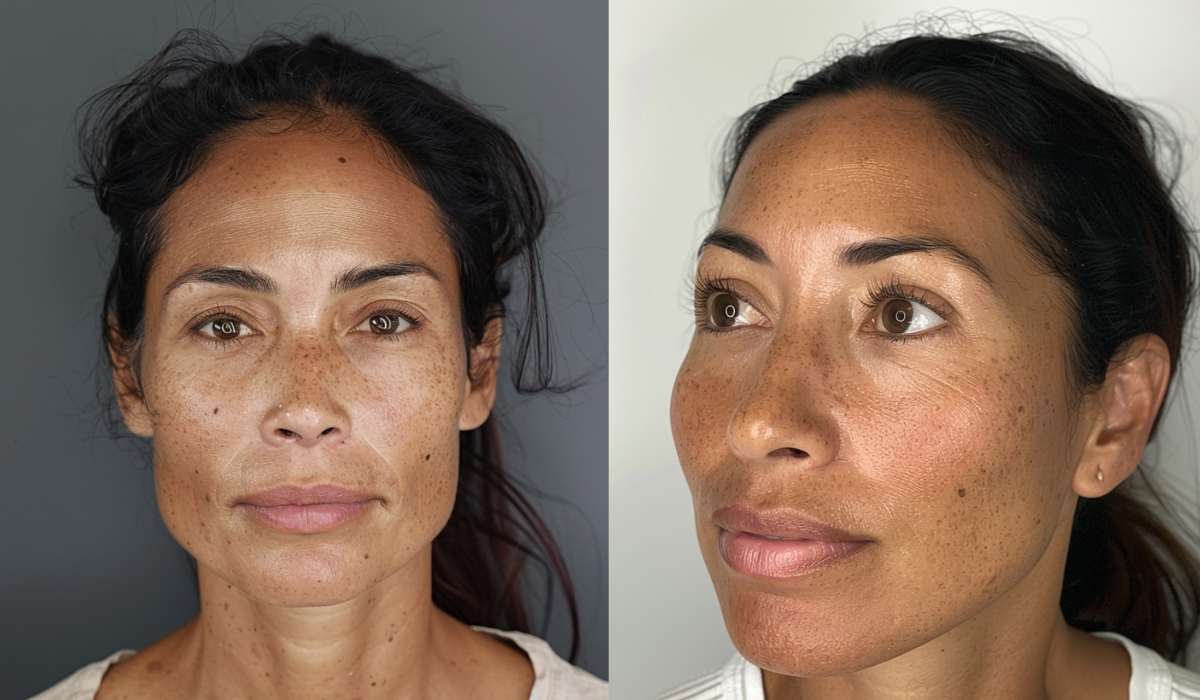
Here’s How You Use Castor Oil for Hyperpigmentation
Do you have dark spots, sun marks or patches from old breakouts, etc? Have you been looking into how to get rid of them?
Disclaimer: there’s nothing wrong with different pigmentation patches if all good and no need for the doctor (careful as sometimes you’ll have to get things checked out).
But this post is for those who do care about these different pigmented patches on their skin (I don’t so I never try to get rid of them by the way).
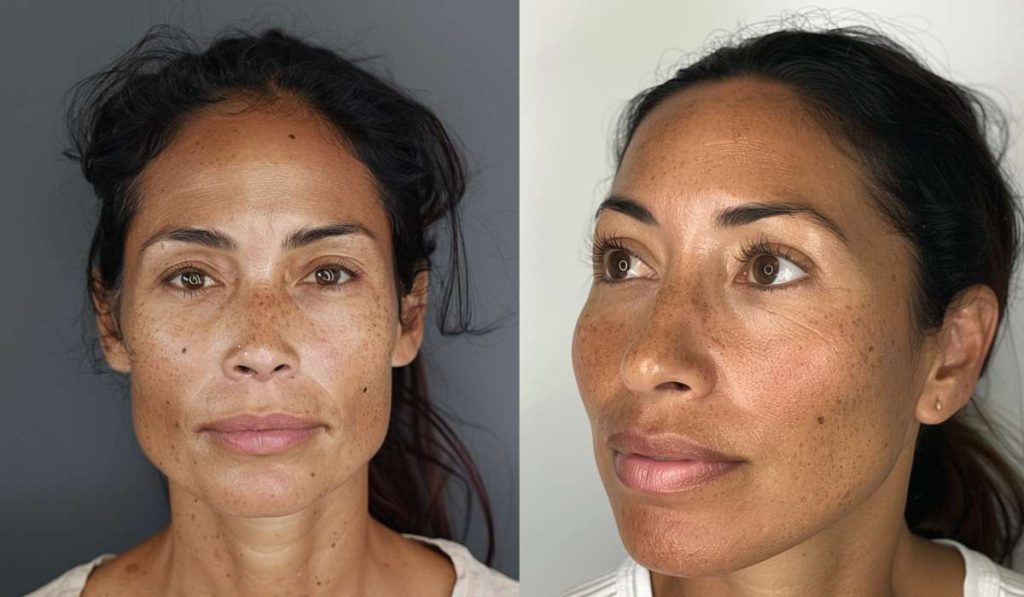
Oh Mighty Health is all about natural remedies and since castor oil has been appointed as one of those remedies for hyperpigmentation I thought we should take a closer look to see what’s true, what’s not, what’s doable, what’s not.
We will find out if it works… or not.
I’m Patri, a certified organic skincare formulator and today I will help you with the topic of castor oil and hyperpigmentation.
DISCLAIMER: In my articles I usually link to affiliate products within the content. Below you will find such links. If you purchase through them I might make a commission at no extra cost to you.
So, does castor oil work for pigmentation?
Castor oil is not a miracle cure for hyperpigmentation, let me tell you that off hand. It WON’T bleach your skin or break down melanin like probably other ingredients do.
But, it is not useless. Castor oil has lots of nourishing fatty acids, can offer some lovely antioxidant action and can support skin healing… all of these can help create a more “even” look over time. “Over time” being important here!
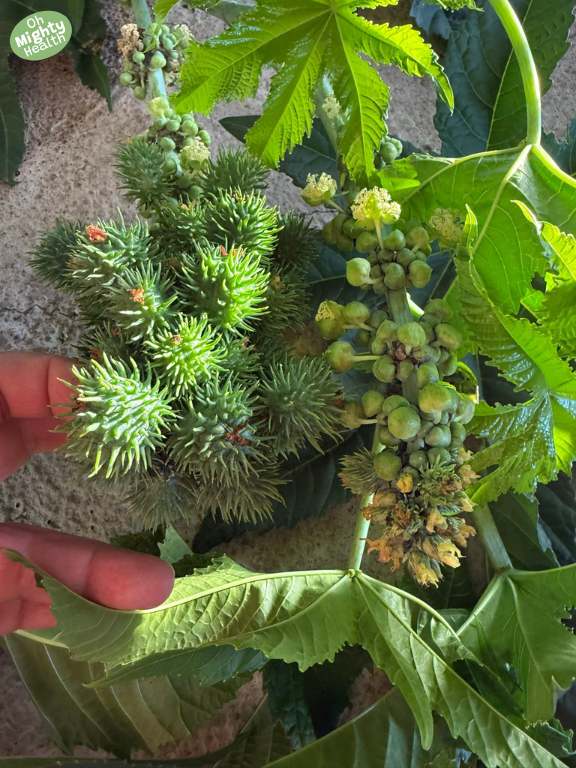

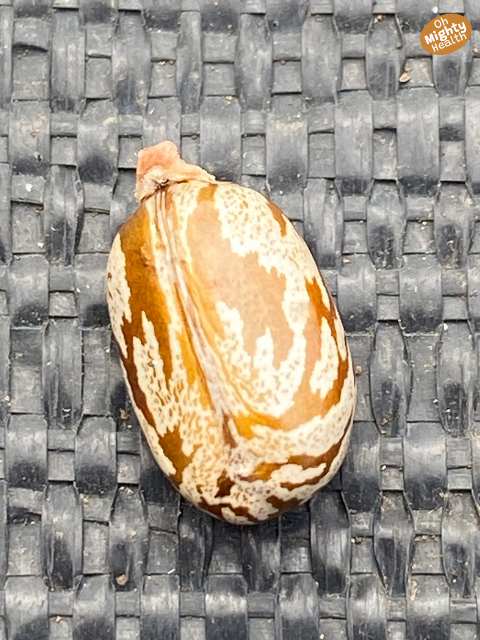
Let me go through the different studies done on this so you can have a more informed perspective on the topic.
The study: what we know so far
There’s only been one small clinical study looking at castor oil’s effect on pigmentation but the results were encouraging.
Researchers tested a 10% castor oil cream on people with dark circles under the eyes (infraorbital hyperpigmentation). Participants applied the cream twice a day for two months.
- Pigmentation visibly reduced: VisioFace® measurements showed a drop of around 5.6 to 5.9 points, which was statistically significant (p < 0.001).
- Melanin levels, skin laxity, and fine lines also improved.
- No side effects were reported.
Not bad, especially for something as gentle as a plant oil. But before we get carried away, a quick reality check:
- It was a very small study (22 participants analysed).
- There was no control group, so we can’t say for sure that the castor oil alone caused the improvement.
- It focused only on the under-eye area, which has thinner skin than other parts of the face.
Still, it offers a small but positive sign that castor oil might support skin in fading dark patches.
Other studies
Phenol-Castor Oil Peel for Dermal Melasma (2006)
- Journal: Dermatologic Surgery
- Summary: This study evaluated a modified skin peel containing phenol and castor oil on deep melasma (a form of hyperpigmentation). In a group of 30 patients, the peel reduced melasma indices significantly. However, some cases of post-peel hyperpigmentation and hypopigmentation were noted.
- Conclusion: The phenol-castor oil formulation was effective for pigment reduction in deep melasma, with manageable side effects
Link to study: https://pubmed.ncbi.nlm.nih.gov/16706754/
Review Article: Castor Oil’s Cosmetic Potential (2025)
- Source: Zenodo/Journal of Research
- Summary: This review highlighted studies on castor oil’s mechanisms in skin care, focusing on its anti-inflammatory and moisturizing effects relevant to pigmentation and overall skin health. The review also references clinical findings supporting castor oil’s benefit in pigmentation reduction
Link to study: https://zenodo.org/records/15448725
Clinical Efficacy Summary: Brown Spots and Hyperpigmentation
- Additional Evidence: Clinical and consumer articles cite the same 2023 single-arm clinical trial, emphasizing an 8.2% reduction in pigmentation with twice-daily castor oil cream over two months. The discussion also references potential tyrosinase inhibition (melanin-reducing mechanism) in in vitro studies of castor plant extracts, though more research is needed, as usual.
Link to study: Typology, Medical News Today, Prevention
So, what exactly can castor oil do for your hyperpigmentation?
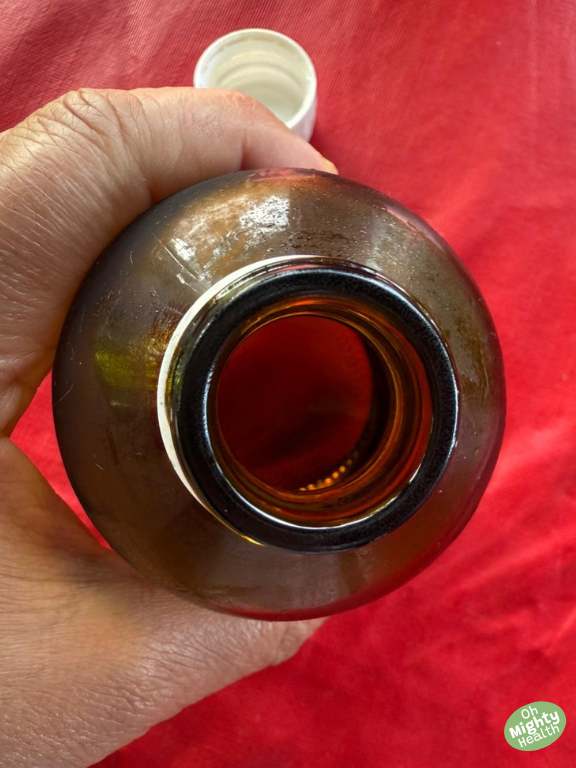
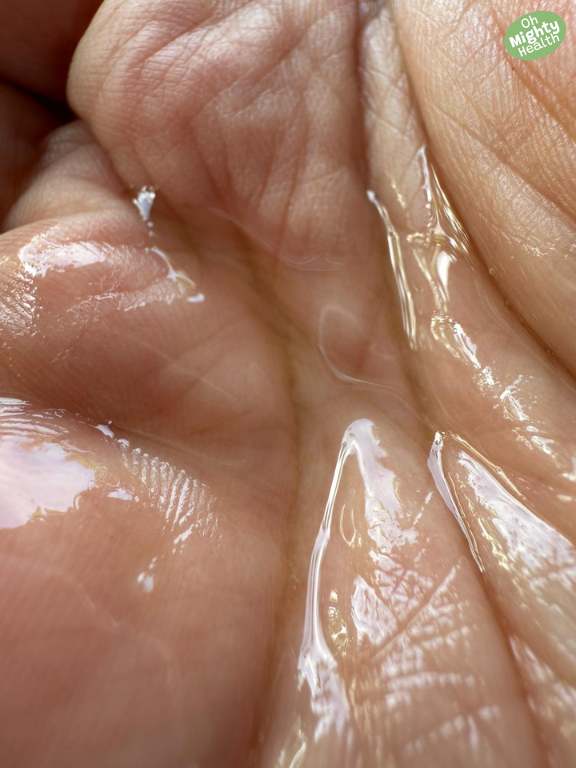
The properties, listed below:
1. Castor oil is rich in the rare ricinoleic acid
Castor oil is packed with ricinoleic acid, a rare fatty acid that softens, soothes, and helps repair the skin. If your dark spots are made worse by dryness or irritation, this can really help your skin recover and feel more comfortable.
2. It is also naturally high in antioxidants
It offers antioxidant support to help your skin fight off environmental stress like UV damage and pollution, two common triggers that can make pigmentation worse over time.
3. Deeply moisturising
Dry skin can often look dull and uneven. Castor oil helps lock in moisture, making your skin appear smoother, softer, and more balanced in tone.
4. Soothes over-treated skin
If you’ve used harsh treatments that left your skin stripped or flaky, castor oil can help calm the irritation and support your skin barrier while you give it a chance to heal.
That said, none of this guarantees that it will fade dark spots on its own. But if you’re after a soothing base that supports your skin while using other brightening ingredients or you just want something gentle and simple castor oil might be worth adding to your routine.
HERE’S MY RECOMMENDED CASTOR OIL IF YOU WANTED TO GIVE IT A TRY.
How to use castor oil for dark spots at home
Here’s how to do it safely, simply, and gently.
1. Use just a little
Castor oil is thick and rich. Dab a small amount onto clean, slightly damp skin, just over the dark spots. A tiny bit will be enough (it is thick and viscous).
2. Start with once a day
You can work up to twice daily. But go slow at first, especially if you’re prone to clogged pores or breakouts. Let your skin adjust over time.
3. Always, always, always patch test!!
Especially if you have sensitive skin. Some people find castor oil too heavy on the face. Better safe than sorry.
4. You can mix it (optional, but helpful)
Try adding one of the following:
- A few drops of rosehip oil for extra antioxidants and a vitamin A boost
- A tiny bit of licorice extract known to help with melanin and dark spots
- Or blend into your favourite cream which makes it easier to spread and lightens the texture
5. The key is to be consistent
No overnight miracles, but worth sticking with. If your skin gets on well with it, use it regularly for a few weeks and see how your tone improves.
HERE’S MY RECOMMENDED CASTOR OIL IF YOU WANTED TO GIVE IT A TRY.
Is castor oil right for your skin?
Castor oil won’t suit everyone, and that’s totally fine. The key is understanding what kind of skin it tends to work best for, and when to be more cautious.
Castor oil can be a good fit for dry, flaky, or irritated skin. It’s thick, nourishing, and calming (and very viscous!) so it works well if your skin has been through harsh treatments and needs a break. If your skin looks dull or feels tight, castor oil can help bring some balance back.
If you’ve got acne-prone or oily skin, castor oil might feel too heavy. It has a tendency to clog pores for some people, especially when used in larger amounts or applied to already congested areas. Also, if you’re someone who’s prone to cold sores, you might want to be cautious.. some people report flare-ups when using castor oil on the face.
What results to expect (and how long it takes)
I think I made it clear above that castor oil isn’t a quick fix for pigmentation. If you’re hoping for dramatic fading in a few days, it’s probably not the right choice.
But if you’re looking for something gentle and consistent that supports your skin over time, it might be worth including in your routine.
The small clinical study above showed about an 8% reduction in pigmentation after two months of using a 10% castor oil cream twice daily. That’s a modest result, but it’s still a sign that it can do something, especially for delicate areas like under the eyes.
For most people, the best-case scenario will be a subtle softening of dark patches over several weeks. If you combine castor oil with other proven brightening ingredients like niacinamide, vitamin C, or azelaic acid you may see better results.
And of course, daily sunscreen is essential. UV exposure is one of the biggest causes of hyperpigmentation, and even the best ingredients won’t do much if your skin’s constantly fighting off new damage.
Be patient, stay consistent, and keep your expectations realistic.
Think of castor oil as a supportive oil, a helpful part of your skincare team.
HERE’S MY RECOMMENDED CASTOR OIL IF YOU WANTED TO GIVE IT A TRY.
Alternatives to castor oil that might work better
If castor oil feels too heavy or isn’t giving you the results you want, here are a few gentle yet more targeted ingredients that may help fade pigmentation. I also show you how to use them.
1. Rosehip oil

Naturally rich in vitamin A and antioxidants, rosehip oil helps repair the skin and improve uneven tone.
- How to use it:
Apply 2–3 drops directly to damp skin after cleansing, once or twice a day. You can also mix it into your moisturiser. - Good for: Dull, uneven skin, post-acne marks, and dry skin types.
HERE’S MY RECOMMENDED ROSEHIP OIL.
2. Licorice root extract
Helps reduce melanin production and soothe inflammation, making it great for fading dark spots gently.
- How to use it:
Look for it in serums or gels. Apply a thin layer to affected areas once or twice a day before moisturising.
If using the raw extract, mix a small amount into your serum or cream just before applying. - Good for: Sensitive skin, melasma, redness, or stubborn dark marks.
3. Niacinamide (vitamin B3)
Known for evening skin tone and strengthening the barrier, niacinamide is one of the most well-tolerated brightening ingredients.
- How to use it:
Use a serum with 2–5% niacinamide after cleansing, once or twice a day. Follow with moisturiser. - Good for: All skin types, especially those dealing with pigmentation, enlarged pores, or uneven tone.
4. Azelaic acid
Gently fades pigmentation and helps with acne, redness, and uneven texture.
- How to use it:
Use a product with 10–15% azelaic acid once a day, ideally at night. Apply a pea-sized amount to clean skin before moisturiser. - Good for: Post-inflammatory pigmentation, rosacea-prone skin, and uneven texture.
Final thoughts on castor oil for hyperpigmentation: is it worth trying?
If you’re after a gentle, natural way to support your skin while dealing with hyperpigmentation, castor oil could be worth a try, especially if you’ve got dry or irritated skin.
It’s affordable, easy to find, and well-tolerated by many. Just keep in mind it’s not a strong pigment-fader on its own.
That said, there are other natural options like rosehip oil, niacinamide, or licorice extract that may be more effective if you’re looking for something with a clearer track record for evening skin tone.
You don’t have to pick just one.
Sometimes, the best results come from combining the right ingredients your skin responds well to.
Love,
Patri xx
