
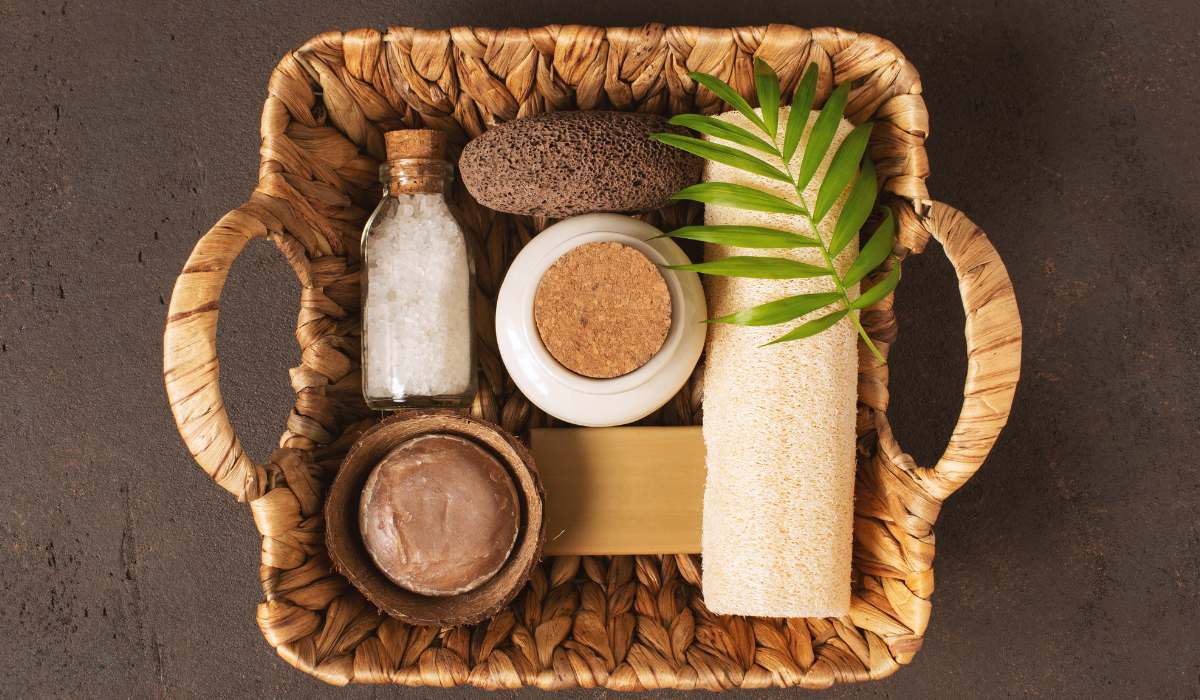
The Truth About DIY Face Serums vs. Store-Bought… What’s Best for Your Skin? ✨
As a certified organic skincare formulator and health coach, I’ve seen countless trends come and go in the beauty world.
One question that consistently pops up is: “Should I make my own face serums or just buy them from the store?”
It’s a fantastic question! There’s no single “right” answer, as both options offer unique benefits and drawbacks.
My goal here is to equip you with ALL the knowledge you need to make an informed decision for your skin and your lifestyle.
I hope you know exactly what to do after you read my article.
If interested in DIY face serums, I have COUNTLESS entries on the topic, you can poke around and see what you feel you can make at home!
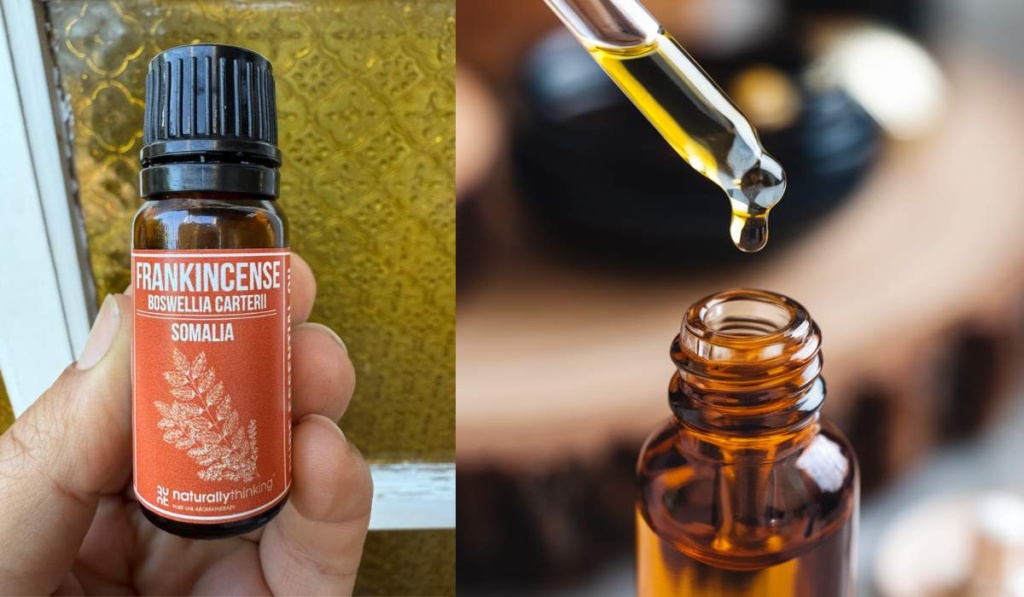
The wonderful world of DIY: making your own elixirs
The idea of whipping up your own skincare products at home is undeniably appealing, isn’t it.
At least I think so.
It speaks to our desire for control, customisation, and often, a more natural approach. Which is the key here.
Going natural is key, yes. My life has changed ENOURMOUSLY since going natural back in 2018.
Pros of DIY Face Serums
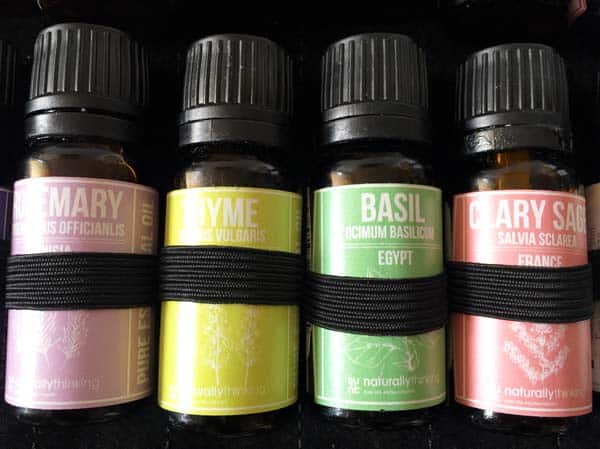
1. You get to choose everything
This is perhaps the biggest gain. When you formulate your own serum, you have complete control over every single ingredient. This means you can tailor it precisely to your skin’s unique needs and concerns. Got sensitive skin? Avoid potential irritants. Dealing with dryness? Load up on deeply hydrating oils. Want to target hyperpigmentation? Incorporate specific brightening ingredients. It’s like having a bespoke skincare line just for you.
2. You know exactly what’s in it
No more deciphering complex ingredient lists with names you can’t pronounce. With DIY, you know exactly what’s going into your serum because you put it there. This can be incredibly reassuring, especially for those who prioritise natural, organic, or minimalist skincare.
3. Can actually save you money
While the initial investment in raw ingredients might seem high, in the long run, making your own serums can be significantly cheaper than repeatedly purchasing high-end store-bought options. Many potent active ingredients are available in bulk, allowing you to create multiple batches for a fraction of the cost.
4. You’re using it fresh every time
When you make a DIY serum, it’s typically fresh. You’re not dealing with products that have been sitting on a shelf for months or years. This means the active ingredients are often at their peak potency.
5. Less plastic, less waste
By using reusable containers and purchasing ingredients in bulk, you can significantly reduce packaging waste associated with store-bought products. This aligns beautifully with a more sustainable lifestyle.
Cons of DIY Face Serums
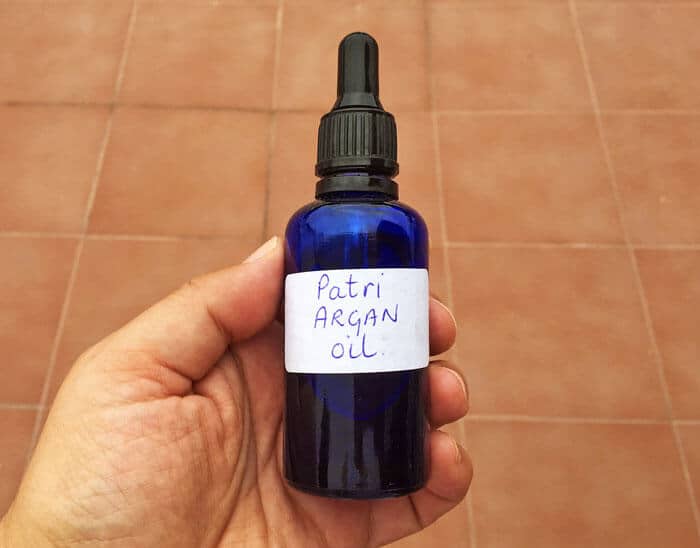
1. Making it safely takes some learning…
This is where expertise comes in. While mixing a few oils seems simple, creating a stable, effective, and safe serum requires a deeper understanding of cosmetic chemistry. Ingredients need to be compatible, proper preservation is crucial to prevent bacterial growth (which can be harmful to your skin), and understanding ingredient percentages for efficacy and safety is vital.
Without proper knowledge, you could end up with an unstable product, one that doesn’t work, or even worse, one that causes irritation or infection.
2. You’ll need to make small batches often
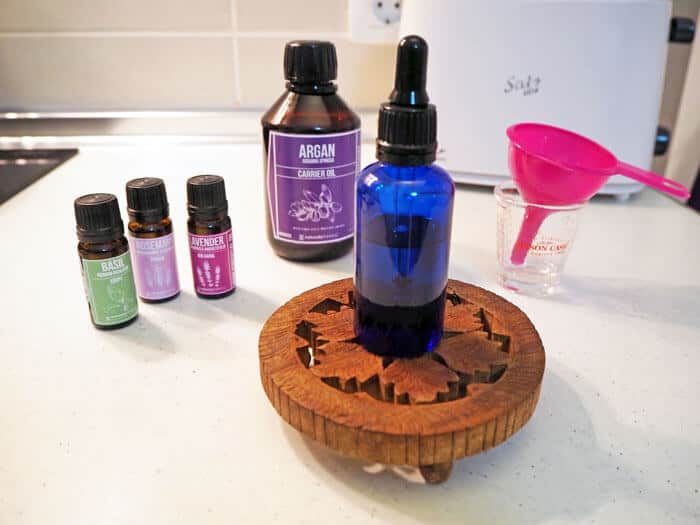
Without sophisticated preservation systems used in commercial products, DIY serums generally have a much shorter shelf life. This means you need to make smaller batches more frequently, and store them properly (often in the refrigerator) to maintain their integrity.
3. Finding quality ingredients takes time
Not all raw ingredients are created equal. Sourcing high-quality, pure, and ethically produced ingredients requires research and a trusted supplier. Poor quality ingredients can lead to ineffective results or even adverse reactions.
4. It’s not always quick
Making your own serums takes time – from researching ingredients and formulations to actually mixing and bottling the product. For busy individuals, this might not be a feasible option.
4. You won’t have lab-tested results…
Commercial products undergo rigorous testing for efficacy, stability, and safety. DIY serums, by nature, do not. While you might see anecdotal results, you won’t have the same scientific backing for their claims.
Why buying a serum can sometimes be the best option
Let’s face it, store-bought serums are easy, reliable, and often very effective. For many people, the biggest benefit is that they’re ready to go and made by professionals who know what they’re doing.
1. Pros of Store-Bought Face Serums
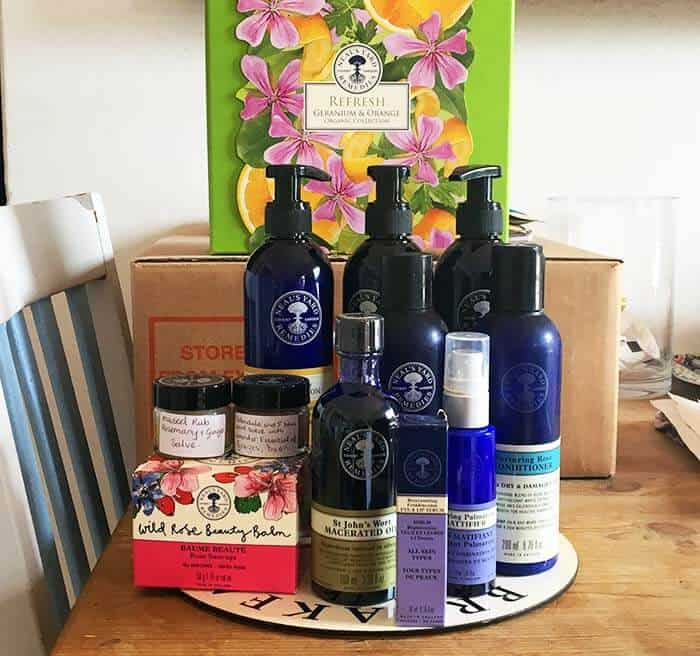
Made by professionals who know skin
Most commercial serums are formulated by experienced cosmetic chemists. They understand how ingredients interact, how to make them stable, and how to create something that works for lots of different skin types. That means less trial and error for you.
They stay good for longer
Thanks to smart preservation systems, store-bought serums last longer without going off. You don’t need to worry about bacteria, mould, or using it up quickly—just open and apply.
They’ve been tested and proven
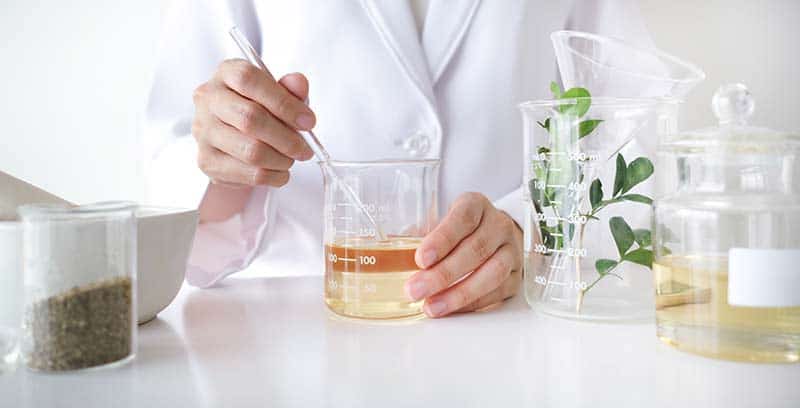
Big brands usually invest in proper lab testing to check that their serums actually do what they say they will. That means there’s some science behind the results, which can feel reassuring—especially if you’re spending more money.
Help your skin absorb ingredients better
Some serums use special delivery systems, like encapsulation, to help the active ingredients get deeper into your skin. This means you may see faster or more noticeable results compared to basic oil blends.
So quick and easy to use!!
You don’t need to mix anything, measure ingredients, or store things carefully. You just open the bottle and start using it. This makes store-bought serums ideal for busy routines or for anyone who wants to keep things simple.
Loads of options for every skin concern
Whether you’re dealing with dryness, fine lines, dark spots, or dullness, there’s probably a serum on the market that claims to help. New ingredients and trends pop up all the time, so there’s always something fresh to try.
2. Cons of Store-Bought Face Serums
You can’t make it exactly how you want
Even with lots of choice, you’re still stuck with whatever the brand decided to put in the bottle. You can’t tweak it to suit your exact skin type or goals like you can when making your own.
The ingredient list can be confusing
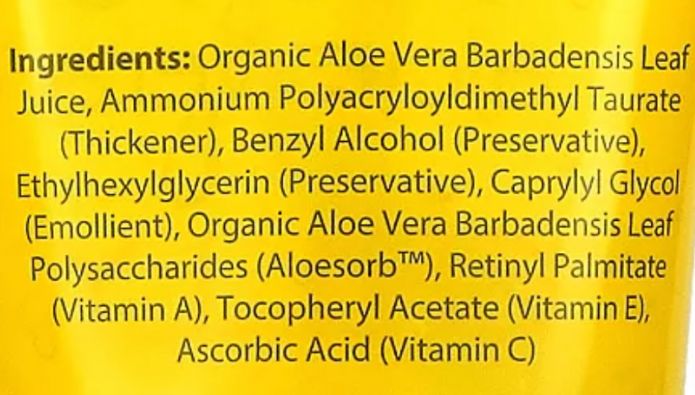
Even though ingredients are listed on the label, understanding them is another story. Many brands use complicated names or proprietary blends, so it’s not always clear what’s really in there or how much of each ingredient you’re getting.
Some of them are pretty expensive
High-quality serums from trusted brands can be pricey—especially if they contain trendy ingredients or are part of a luxury line. That cost can add up fast.
Not always great for sensitive skin
Some store-bought formulas include synthetic preservatives, colourants, or fragrance—all of which can trigger irritation, especially if your skin is sensitive or reactive.
Too much packaging
Most store-bought serums come in plastic bottles or packaging that’s hard to recycle. If you’re trying to reduce your environmental footprint, this can be a downside.
Not sure which way to go? Here’s how I’d help you decide?? 🤔
As a formulator and health coach, I always recommend choosing what actually fits you. There’s no right or wrong—just what works best for your lifestyle, interests, and skin.
Are you curious and hands-on?
If you love learning, enjoy trying things out, and don’t mind diving into the world of ingredients and safety tips, then DIY could be a great match. It takes time and care, but it can also be fun and incredibly personal.
Or do you prefer to keep things simple?
If researching ingredients or worrying about storage sounds stressful, you might be better off with a ready-made serum. There are plenty of excellent options out there made by professionals, so you don’t have to think twice.
Be honest about your time
DIY takes effort. From researching to mixing and storing—none of it’s instant. If you’re already juggling a lot, be realistic about whether you’ll actually enjoy the process or if it’ll just feel like a chore.
What does your skin really need?
If you’ve got unusual skin concerns or extra sensitivities that make it hard to find a product that works, making your own serum might be worth considering. You can leave out triggers and add only what your skin loves.
And yes—money does matter
If you’re on a tight budget but willing to invest a bit of time, making your own serum could save you money long-term. That said, if convenience is more valuable to you right now, store-bought may be the better choice.
Still unsure? Go for what feels easiest to stick with
At the end of the day, the best routine is the one you’ll actually keep doing. Whether that’s a beautiful homemade blend or a bottle you pick up at your favourite shop—what matters is that it suits you.
My personal take as a formulator
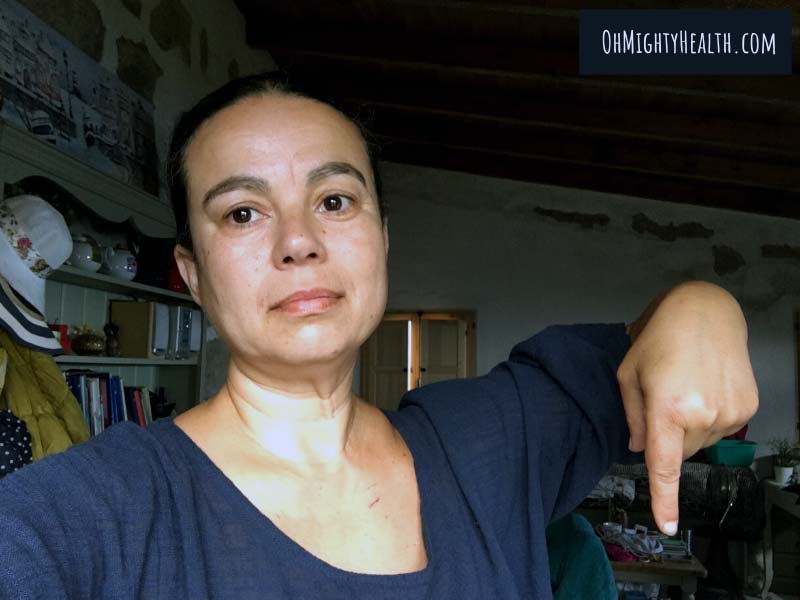
Honestly, although I see the value in both I prefer that people make their own skincare. I believe in the magic of DIY: when it’s done with knowledge and care and profits are not a thing.
If you’re passionate about natural skincare and enjoy learning, creating your own blends can be empowering.
It’s not just about saving money, no! It’s about knowing exactly what’s touching your skin and building a deeper connection with the ingredients you choose.
If you’re new to it all, my advice is: start small. Don’t jump into advanced formulations with 15 ingredients. Begin with simple, beautiful oil blends made from cold-pressed, high-quality oils. Focus on cleanliness, safety, and always patch test.
Whether you decide to mix your own or buy something ready-made, the most important thing is this: listen to your skin. Choose what feels right, what aligns with your values, and what you’ll actually enjoy using.
That’s what I did.
Love,
Patri xx
