
Why I’ll Never Use Retinol (Even Though Everyone Swears By It)
As a certified organic skincare formulator and health coach, I’m here to share why I’ve chosen a different path, and why you might want to consider it too.
I know what you’re most probably thinking: “But Patri, everyone uses retinol… My dermatologist recommended it!”
Trust me, I’ve heard it all. And yes, retinol works. But I don’t believe it is the best choice for your skin or your overall wellbeing.
After years of formulating organic skincare and helping clients achieve their healthiest skin naturally, I’ve discovered that nature has already provided us with incredibly effective alternatives that work with our skin.
I don’t know about you, but I VERY MUCH PREFER that option.
The Real Truth About Retinol Side Effects
Let’s talk honestly about what retinol actually does to your skin. When you get a “retinoid reaction” is because your skin is irritated.
Here are the symptoms:
- Persistent dryness that leaves your skin feeling tight
- Peeling that can last for some weeks
- Redness and inflammation
- Stinging sensations when you apply other products
- Increased sun sensitivity that puts you at risk for damage
Here’s what really concerns me as a health coach: we’ve normalised skin irritation as a “necessary evil” for keeping our skin young looking (which is NOT the same as healthy looking by the way).
Photosensitivity
This one’s huge. I mean, isn’t it, really.
Retinol makes your skin more vulnerable to UV damage.
Think about it: you’re using a product that’s supposed to help your skin look younger, but it’s simultaneously making you more susceptible to the very thing that ages your skin: sun damage.
Hm, it doesn’t make much sense to me.
Even with religious sunscreen use, this increased photosensitivity means you’re walking a tightrope every single day.
Miss a spot with your SPF? Forget to reapply? Your retinol-treated skin pays the price. Again and again.
Pregnancy Concerns: Why Take the Risk?
As someone who supports AFAB through all stages of her life, the pregnancy restrictions around retinoids really bother me.
While topical retinol may have lower risks than oral forms, most healthcare providers still advise against it during pregnancy and breastfeeding.
Why choose an ingredient that comes with these concerns when there are beautiful, effective natural alternatives that don’t require you to pause your skincare routine during such an important time in your life?
Please do think about this. Or perhaps you didn’t know! Well, now you do.
(The Chemical vs. Natural Philosophy)
Here’s where my formulator background really comes into play.
Retinol is a synthetic derivative that works by FORCING rapid cell turnover. It’s essentially PUSHING your skin to work faster than its natural rhythm.
But what if we could achieve similar (or, ahem, even better) results by supporting our skin’s natural processes instead of overriding them?
Meet Bakuchiol: Nature’s Brilliant Answer
This is where I get genuinely excited.
Bakuchiol, extracted from the babchi plant (Psoralea corylifolia), has completely changed my perspective on natural skincare for mature skin.
Here’s what makes it so special:
It delivers comparable results. Clinical studies show that 0.5% bakuchiol used twice daily produces similar improvements in wrinkles and hyperpigmentation as 0.5% retinol used daily. The results speak for themselves.
It’s incredibly gentle. No “adjustment period” required. No peeling, redness, or stinging.
Your skin actually feels comfortable while it’s transforming.
No photosensitivity. You can use bakuchiol morning or night without worrying about increased sun damage. That alone is worth the switch for me.
It’s pregnancy and breastfeeding friendly but there’s no definitive research proving its complete safety in pregnancy, it’s thought to pose less risk than retinoids. SPEAK TO YOUR DOCTOR OR DERMATOLOGIST before using it if you’re pregnant OR breastfeeding.
You might be interested in reading a comprehensive piece I wrote on bakuchiol versus retinol:
How Bakuchiol Actually Works (The Science Made Simple)
While bakuchiol looks nothing like retinol chemically, it’s what we call a “functional analog”: it produces similar effects through different pathways.
Instead of forcing rapid cell turnover, bakuchiol:
- Gently stimulates collagen production
- Supports your skin’s natural repair processes
- Provides antioxidant protection (something retinol can’t do)
- Helps regulate melanin production to fade dark spots
- Offers anti-inflammatory benefits that soothe rather than irritate
A lot gentler, as you can see.
The Clean Beauty Connection
As someone deeply committed to natural health and wellness, I love that bakuchiol aligns perfectly with clean beauty principles. Yes, it is truly up my street.
It’s plant-derived, works harmoniously with your skin’s natural processes, and doesn’t require you to endure discomfort for results.
Important note: When choosing bakuchiol products, look for purified formulations. Some lower-quality extracts can contain phototoxic impurities, so quality matters—just like with any natural ingredient.
My Professional Recommendation
Here are some things why I do believe bakuchiol is the way forward.
- Gentleness without compromise. Why irritate your skin when you don’t have to?
- Antioxidant bonus. You get anti-aging benefits plus protective antioxidants
- Flexibility. Use it morning, night, or both without restrictions
- Compatibility. It plays beautifully with other natural ingredients like hyaluronic acid or niacinamide.
Other Beautiful Natural Alternatives
As someone who believes in the power of plants, I’m thrilled to share other natural retinol alternatives that can transform your skin:
1. Rosehip Oil
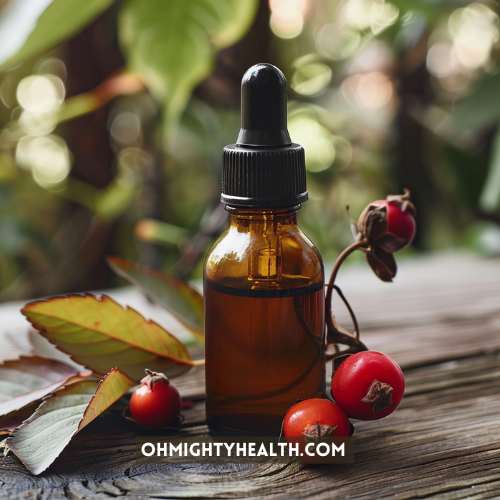
This gorgeous oil is naturally rich in antioxidants and contains linoleic acid, which helps improve skin complexion and deeply hydrates by preventing water loss. It’s particularly effective for reducing hyperpigmentation and scarring.
2. Carrot Seed Oil
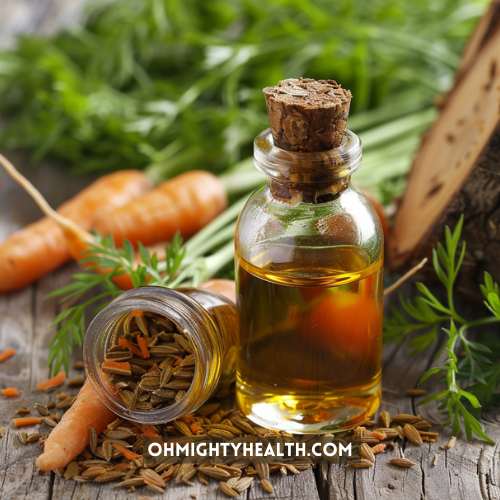
A rich natural source of vitamin A, carrot seed oil contains powerful antioxidant carotenoids that fight free radicals and environmental stressors. It’s like giving your skin a vitamin-rich superfood smoothie!
3. Sea Buckthorn Oil
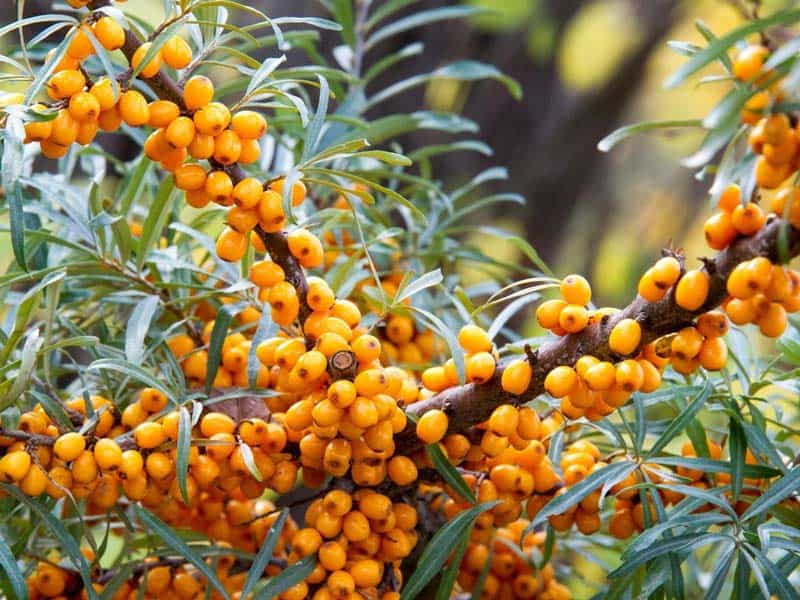
This incredible oil contains 15 times more vitamin C than oranges and is rich in vitamins A, C, and E. It provides deep moisturisation while offering excellent photoprotection benefits.
If You’re Making the Switch Here’s What to Expect
If you’re currently using retinol and considering bakuchiol, here’s what I typically tell my clients:
- Start with 2-3 nights per week to let your skin adjust (even though irritation is rare)
- Be patient as natural ingredients often work more gradually but with lasting results
- Focus on consistency rather than intensity
- Pair it with other supportive natural ingredients for enhanced benefits
The Bottom Line
I’m not anti-science or anti-progress.
I’m pro-finding the safest, most effective solutions that support your skin’s long-term health (as long as they’re as natural as possible).
Bakuchiol gives me everything I want for keeping my skin fresh and healthy: proven results, excellent safety profile, and the peace of mind that comes from working with nature rather than against it.
Ready to Make the Switch?
Remember, the goal isn’t younger-looking skin. Because, in case it isn’t obvious, we’re not getting younger; we’re getting older!
The goal is healthy, resilient skin that glows from the inside out.
Love,
Patri xx
Resources
A GREAT paper here: https://www.odermatol.com/odermatology/20244/3.Redefining-Ku%C5%9BmierskaM.pdf
https://www.everydayhealth.com/smart-skin/what-is-bakuchiol/
https://defenage.com/skincare-guide/defensins-super-powers/bakuchiol-vs-retinol
Reddit discussion: https://www.reddit.com/r/30PlusSkinCare/comments/14ddr8i/bakuchiol_for_anti_aging/
https://www.lesielle.com/int/en/blog/how-and-when-to-use-retinol-a-guide-to-get-the-best-results-103
Research
1. Puyana C, Chandan N, Tsoukas M. Applications of bakuchiol in dermatology: Systematic review of the literature. J Cosmet Dermatol. 2022; 21(12):6636–43.
2. Quan T. Human Skin Aging and the Anti-Aging Properties of Retinol. Biomolecules [Internet]. 2023 [cited 2025 Aug 14]; 13(11):1614. Available from: https://www.ncbi.nlm.nih.gov/pmc/articles/PMC10669284/.
