

Simple Skincare Routine: I Stopped Buying Products and My Skin Got Better
The real secret to radiant skin is simpler than you think
Your skin craves simplicity.
Mine does.
While the beauty industry pushes complex routines, research consistently shows that GENTLE, NATURE-BASED ingredients often outperform their synthetic counterparts (and, yes, with fewer side effects).
At Oh Mighty Health, we’re passionate about giving you clear, reliable information and practical guides to help you explore natural ingredients for healthier skin and overall well-being.
As a certified organic skincare formulator and health coach, my goal is to share insights and tips that truly make a difference. Well, at least I try.
Research shows that natural products of plant origin can be used as a safe and efficacious alternative to synthetic products, with studies indicating reduced irritation and better moisture retention COMPARED TO conventional products.
Your skin’s barrier function actually STRENGTHENS when you strip away harsh chemicals and focus on what nature provides.
Start with what actually works: natural cleansing!
Your cleanser sets the tone for everything that follows.
Aloe vera contains polysaccharides that bind moisture to your skin while removing impurities.

Coconut oil’s lauric acid content (around 47%) naturally fights acne-causing bacteria while maintaining your skin’s protective lipid layer.
Research published in The Journal of Investigative Dermatology shows that lauric acid is MORE EFFECTIVE than benzoyl peroxide at preventing the growth of acne-causing bacteria. Go and check it out.
Here’s what happens when you cleanse with plant oils: instead of stripping your skin bare, you’re actually FEEDING IT essential fatty acids.
(Your sebaceous glands respond by producing less excess oil because they’re not in panic mode trying to replace what harsh detergents stripped away!). Below is an image of your skin. The sebaceous gland (in malve) produces less sebum (oils) when you feed your skin with oils.
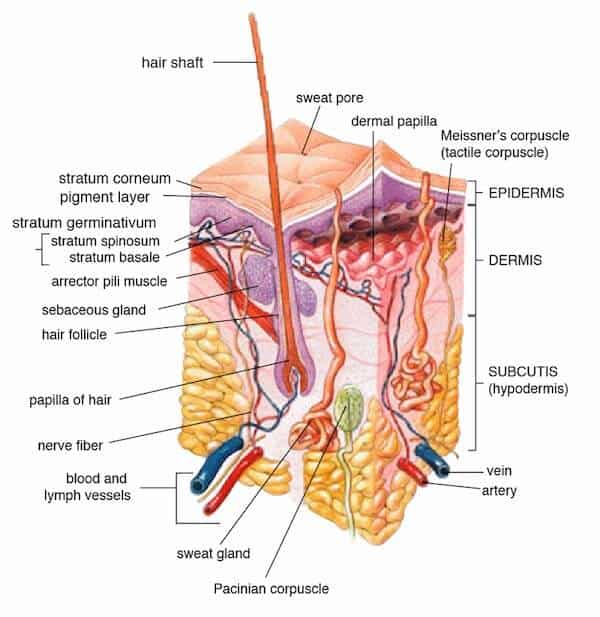
Yes, as simple as that.
Try this tonight: Massage a teaspoon of organic coconut oil onto dry skin for 60 seconds. Add warm water to emulsify, then gently rinse. Notice how your skin feels oh, so soft, and not tight.
Exfoliation that actually loves your skin
Forget those scrubs that feel like sandpaper. Who needs them.
Your skin renews itself every 28 days naturally, and you can support this process without force, I’m telling you.
Sugar crystals dissolve as you massage. They actually create the PERFECT oh-so-gentle “abrasion”.
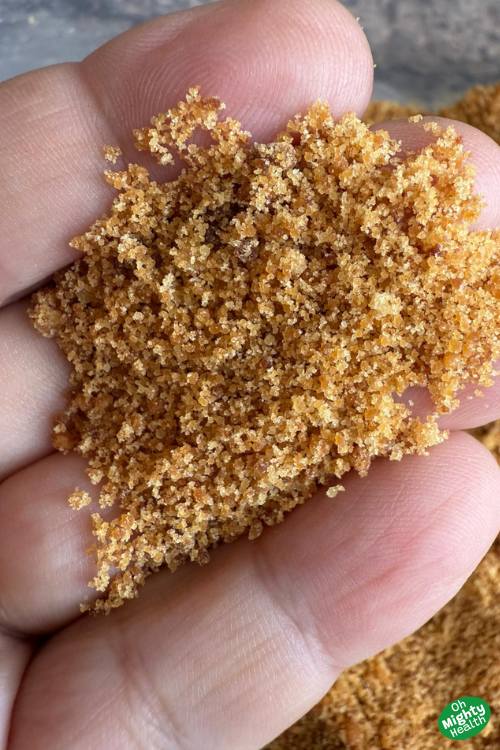
Oatmeal contains saponins (natural cleansing compounds) plus avenanthramides that calm inflammation.
When you exfoliate with these ingredients, you’re not JUST removing dead cells; you’re boosting circulation and preparing your skin to absorb nutrients MORE EFFECTIVELY.
Do you want a bit of science? Regular gentle exfoliation increases cell turnover (research here) which means fresher, brighter skin without the micro-tears that harsh scrubs can create.
So, yes, studies confirm that plant-based exfoliants like sugar and oatmeal provide effective renewal with anti-inflammatory benefits.
Quick DIY: Quick DIY: Mix equal parts fine sugar and agave syrup (I’m vegan, so no honey here). The fine sugar gently polishes away dead skin cells while agave syrup moisturises, soothes inflammation, and helps retain skin moisture. Use circular motions for 30 seconds, then rinse for soft, glowing skin. Done.
Hydration that goes deep
Time to discuss herbal toners.
Rose water isn’t just pretty and smells beautiful… It’s pH-balancing magic. Trust me.
Your skin’s ideal pH sits around 5.5, and commercial toners often PUSH IT into alkaline territory (pH 7-8), leaving you VULNERABLE to bacteria and irritation.
Rose water naturally maintains that perfect acidic environment with a pH typically between 4.0-4.5.
(Research shows that skincare products with a pH between 4.0-5.0 help minimise skin irritation and maintain the skin’s natural pH levels).
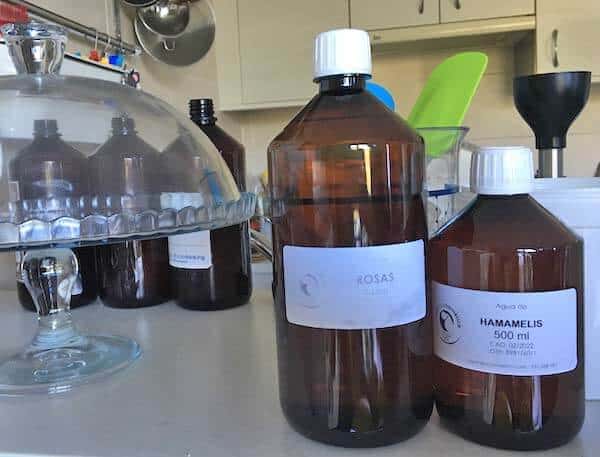
Witch hazel contains tannins that temporarily TIGHTEN pores while DELIVERING ANTIOXIDANTS.
Studies confirm rose water and witch hazel’s anti-inflammatory and antioxidant properties for soothing irritated skin. But here’s the key: use alcohol-free versions. This is VERY IMPORTANT.
The astringent properties come from the tannins, not the alcohol, which only DRIES AND IRRITATES!
YES, MOISTURING IS INCREDIBLY IMPORTANT.
I LOVE using shea butter as a moisturiser. It contains cinnamic acid esters, natural sun protection compounds that African communities have relied on for centuries.
Jojoba oil (another one of my favourites) isn’t actually an oil. It’s a wax ester that mirrors your skin’s natural sebum so perfectly that your pores recognise it as familar (meaning it is similar to what your skin already produces which is incredible).
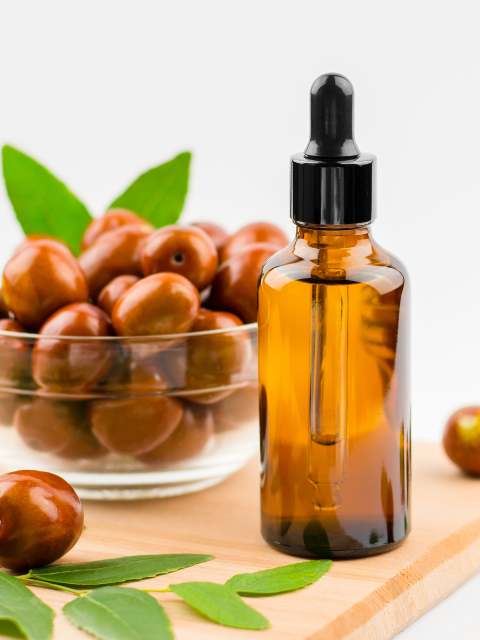
When you layer these ingredients, you’re creating a moisture sandwich: water-based toner, then oil-based serum or moisturiser to seal it in.
Hope this makes sense. Basically, you’re giving your skin “a drink” first, then putting a lid on it so the moisture stays in.
That way, your skin stays hydrated for longer and feels softer and smoother throughout the day.
This method can increase skin hydration by up to 30% compared to using moisturiser alone. I sometimes use my own aloe vera gel to achieve this magic (as we saw above, aloe is fantastic for the skin – it soothes the skin AND keeps the moisture locked in as well).
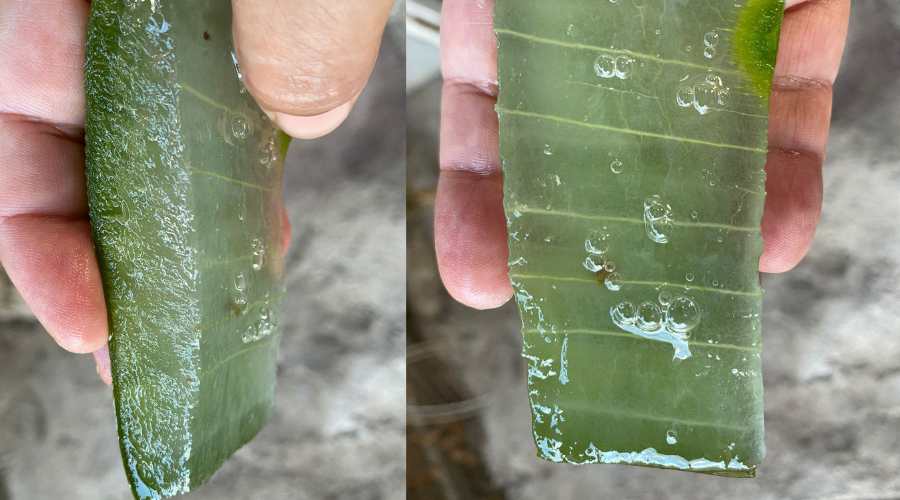
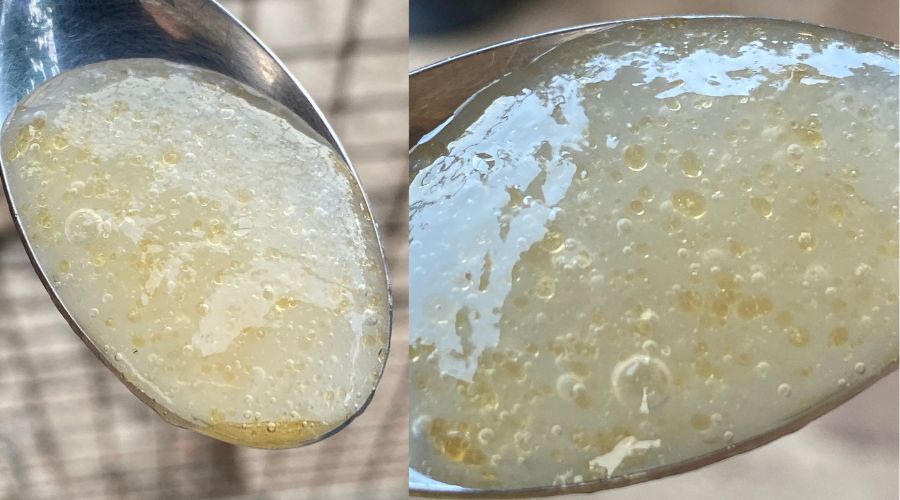
If you don’t have aloe vera gel at home and want to try it (and don’t or can’t make your own), I recommend this one. It is natural, organic and very similar to the one I make.
DIY face masks actually do something
Your kitchen holds powerful skincare allies.

- Avocado’s oleic acid penetrates deeply, delivering vitamins E and K right where they’re needed.
- Aloe vera’s polysaccharides (as mentioned above) create a soothing, protective film that calms irritation.
- Turmeric’s curcumin reduces inflammation while adding an antioxidant boost.
For dry skin: Mash half an avocado with 1 tablespoon maple syrup or agave nectar. The healthy fats repair barrier damage while the syrup draws moisture in, similar to honey.
For oily skin: Mix 2 tablespoons unsweetened coconut (vegan) yogurt with 1 teaspoon turmeric. The yogurt’s natural enzymes provide GENTLE exfoliation while turmeric fights redness (curcumin, has anti-inflammatory and antioxidant properties that CALM irritated skin and reduce swelling.)
For sensitive skin: Blend cucumber with aloe vera gel. Cucumber’s silica actually supports collagen synthesis which improves skin strength, elasticity, and firmness, (scientific research on silica here) while aloe soothes and hydrates as seen above.
Note: The silica that benefits your skin is mostly found INSIDE THE CUCUMBER’S PEEL, not the juicy inside!! So using cucumber WITH THE SKIN ON can give your skin extra strength and firmness. Basically, blend the whole cucumber, peel and all, to get the best skin-firming benefits naturally. Which means, obviously, buy organic.
Leave any mask on for 10–15 minutes max. Your skin absorbs what it needs quickly. Longer WON’T give better results. Shame not many people know this.
(Sometimes leaving masks on longer can cause dryness or irritation as the ingredients may start to concentrate and PULL MOISTURE away from the skin. So, yes, apply only for 10-15 mins pls.)
Herbal baths are literally whole-body skin therapy
Think of herbal baths as skincare for your entire body.
When you soak in warm water infused with healing herbs, you’re opening your pores and allowing active compounds to penetrate everywhere at once.
Let’s say it is like giving your whole body the same care you usually reserve just for your face.

Chamomile contains bisabolol, which reduces inflammation and speeds healing.
Lavender’s linalool and linalyl acetate calm both skin and nervous system. Yes, stress literally shows up on your skin, so addressing both TOGETHER makes perfect sense (I believe, in fact, that ALL FLOWERS have a relaxing effect on us, on our skin and our senses when we look at them.)
Make it work: Add 1 cup of dried herbs to a muslin bag and let it steep in your bathwater like a giant tea bag. Soak for 15-20 minutes. Your skin will feel noticeably softer, and you’ll sleep better too.
The “inside-out” approach
Your largest organ (your skin) reflects what’s happening internally.
Omega-3 fatty acids from walnuts and flaxseeds literally become part of your cell membranes, making them more flexible and better at retaining moisture.
Vitamin C from berries and leafy greens ACTUALLY FUELS collagen production (basically by giving the skin its building blocks).
Your body can’t make vitamin C, so topical application only goes so fa as you can imagine… You need internal supplies to truly support your skin from within.
Eat a handful of mixed berries daily. Drink green tea. Add ground flaxseed to smoothies. These small changes add up over the months into visibly healthier skin.
Evening rituals that work while you sleep
Did you know that serums are like “concentrated healing”?
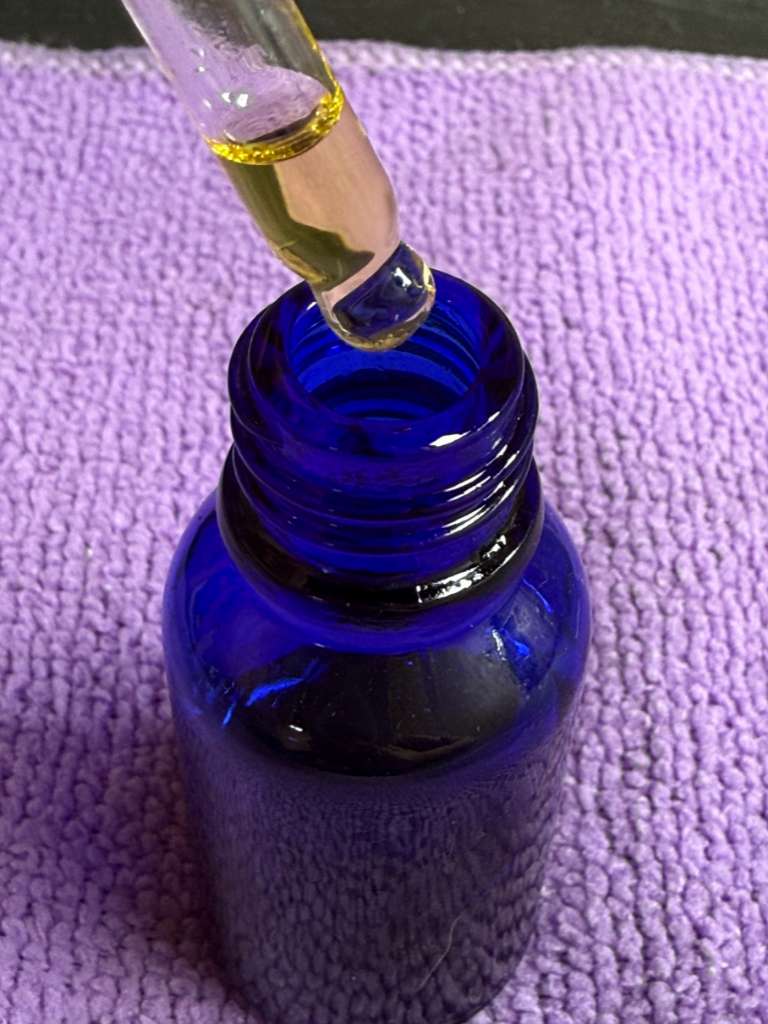
At night is when your skin does its heavy lifting. Think cell repair, collagen production, and detoxification… yes, they all ramp up after sunset.
This is why night serums WORK SO EFFECTIVELY.
Vitamin C serums are best used at night despite popular advice. UV light degrades vitamin C, making daytime application less effective. Makes sense, right?
At night, it can focus PURELY on repairing damage and building collagen.
Hyaluronic acid holds up to 1,000 times its weight in water. Applied to slightly damp skin, it CREATES A MOISTURE RESERVOIR that feeds your skin ALL NIGHT LONG.
Then there’s the soothing oils for deep nourishment…
Facial oils (check my helpful guide on facial oils) aren’t just moisturisers, no. They are the DELIVERY SYSTEMS for fat soluble vitamins and antioxidants that can’t penetrate your skin through water-based products alone.
In other words: water refreshes your skin. Oils BRINGS the vitamins in.
Think about it. Your skin’s outer layer is MADE OF OILS (your sebum), so only oil-based nutrients can slip through and actually reach deeper layers.
Rosehip oil contains natural retinoids that stimulate cell turnover gently.
Argan oil‘s tocopherols (vitamin E basically) protect against free radical damage while you sleep.
Here’s how to apply them: Warm 3-4 drops between your palms (of either oil or a combination of both). Then press gently into clean skin. Let your body heat help absorption instead of rubbing vigorously.
Creating your personal ritual
The most effective skincare routine is the one you’ll actually do consistently.
Start simple:
Morning: Gentle cleanser, toner, moisturiser with SPF
Evening: Oil cleanse, water-based cleanser, serum, face oil or night moisturiser
Add treatments gradually. Your skin NEEDS TIME to adjust to new ingredients, and you need time to see what actually works for your unique needs.
The mindful element
Transform routine tasks into CONSCIOUS MOMENTS.
Notice textures, scents, how your skin feels…
This isn’t just wellness fluff!! Mindfulness reduces cortisol, and lower stress hormones mean clearer, healthier skin.
Why simple simply wins
Your skin has an incredibly sophisticated self-regulation system.
When you overwhelm it with too many active ingredients, you can disrupt this natural balance. Research indicates that people using 3-4 well-chosen products had better skin barrier function than those using 8+ products.
Quality over quantity isn’t just a nice philosophy. It’s science-backed wisdom.
Getting started: here’s your first week:
Days 1-2: Switch to a gentle, oil-based cleanser
Days 3-4: Add a simple toner (rose water or witch hazel)
Days 5-7: Introduce one face oil or natural moisturiser
Pay attention to how your skin responds. Real improvement often looks like less irritation first, then gradual positive changes over 4-6 weeks.
Your skin is remarkably adaptable and healing-focused when given the right conditions.
Sometimes the most radical thing you can do is step back, simplify, and let nature do what it does best.
Your journey to radiant skin starts NOW!
Here’s what I want you to remember: your skin is incredibly wise.
It knows how to heal, protect, and renew itself when you give it the right support.
Every time you choose a gentle, natural ingredient over a harsh chemical, you’re having a conversation with your skin in its own language.
The plants growing in your garden, the oils in your kitchen, the simple rituals you create each evening aren’t just skincare steps. They’re acts of self-care that honour both your body and the natural world around you.
You don’t need to overhaul everything at once. Start small. Choose one natural ingredient that excites you. Maybe it’s the rose water sitting in your cupboard or the avocado waiting in your fruit bowl.
Trust the process. Your skin has been waiting for this gentler approach.
In a world that constantly tells us we need more (more products, more steps, more complexity, more money) sometimes the most revolutionary thing you can do is simplify.
Strip back to what actually nourishes. Listen to what your skin is telling you.
Remember, the most beautiful skin isn’t perfect skin. It’s healthy, happy skin that glows from within because you’ve fed it with intention and care.
Still have questions? Hope the answers below help you!
Q: How long before I see results with natural skincare? Most people notice reduced irritation within a week, but visible improvements in texture and tone typically take 4-6 weeks. Your skin’s renewal cycle is about 28 days (longer as you age), so give any new routine at least that long to show its true effects.
Q: Can natural ingredients be as effective as clinical ones? Research shows many natural ingredients match or exceed synthetic versions. Bakuchiol (from the babchi plant) performs similarly to retinol with less irritation. Niacinamide occurs naturally in yeast and grains. The key is choosing ingredients with solid research backing, not just trendy botanicals.
Q: How often should I use face oils? Start with 2-3 times per week and adjust based on your skin’s response. Oily skin types often benefit from lighter oils (jojoba, squalane) used less frequently, while dry skin may thrive with richer oils (argan, rosehip) used nightly. Your skin will tell you what it needs.
