
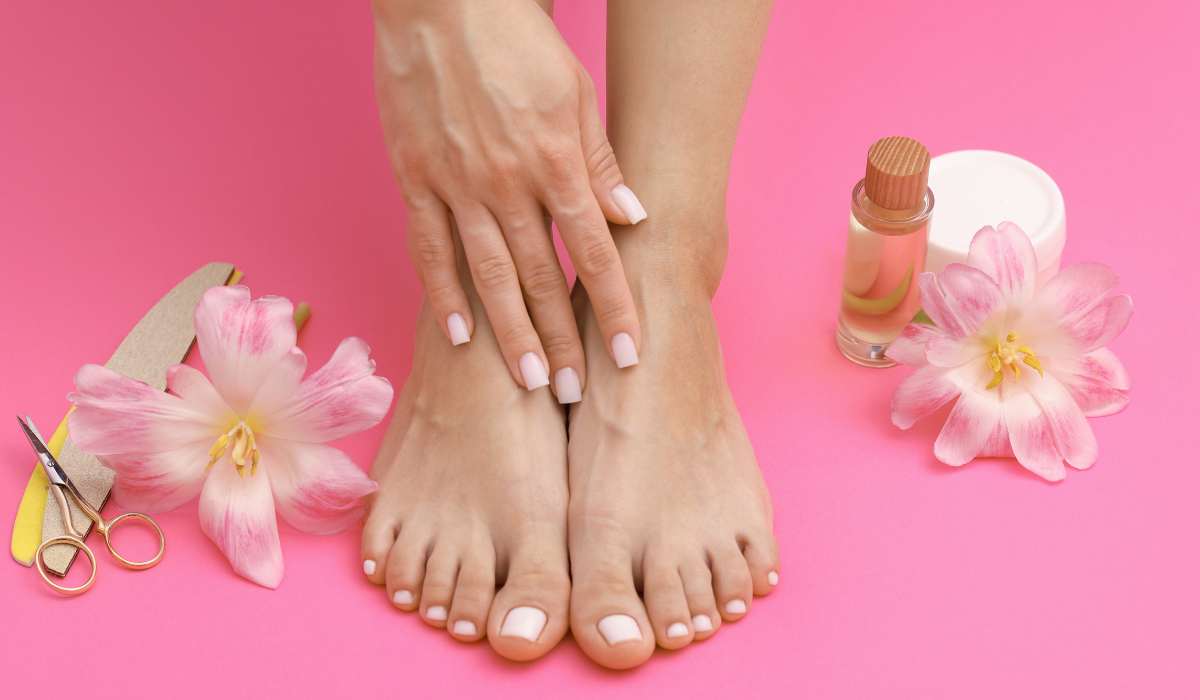
Toenail Health 101: How to Keep Your Nails Strong, Smooth, and Problem-Free Naturally
You can spend all the money you want on fancy foot creams and salon pedicures.
But if your toenails are brittle, yellowing, or growing in weird, nothing you slap on top is going to fix it.
Toenails are not glamorous…
Toenails aren’t exactly glamorous. They’re tucked away in socks most of the year, so we forget about them until sandal season rolls around and suddenly we’re… yep, horrified.
But here’s what I’ve learned after a decade of working with natural remedies: your toenails are trying to tell you something. And ignoring them doesn’t make the problem go away.
Thick nails… Slow growth… That odd yellow tinge…Your body’s waving a little flag that says “something’s off.”
Maybe it’s circulation. Maybe it’s what you’re eating (or not eating). Maybe it’s those trainers you wear for 10 hours straight without letting your feet breathe.
Follow this guide for healthy, beautifully looking and natural toenails
The good news is that toenail problems respond beautifully to simple, consistent care. All you need is a bit of knowledge, some nourishing ingredients, and a gentle approach.
In this guide, I’m walking you through what healthy toenails actually look like, what’s going wrong when they don’t, and how to fix it naturally from the inside out.
Your feet carry you everywhere.
It’s time to look after them properly!
(Disclaimer: Some links may be affiliate links. If you buy through them, I may earn a small commission, always at no extra cost to you)
What healthy toenails should actually look like
Before we talk about problems, let’s get clear on what we’re aiming for.
Healthy toenails have a few key characteristics:
Colour: They should be a pale pink or light beige, with a smooth, consistent tone. The nail bed underneath might show through slightly, giving that rosy glow.
Texture: The surface should be smooth and even, with no ridges, dents, or bumps. A bit of natural shine is normal, even without polish.
Thickness: Not too thick, not too thin. They should feel firm but not rock-hard, and they shouldn’t peel or flake easily.
Growth: Toenails grow slowly, about 1 to 2 mm per month on average. But they should be growing steadily, not stalling or breaking off constantly.
Shape: They should follow the natural curve of your toe, sitting flat against the nail bed without lifting, curling inward, or digging into the skin at the sides.
If your toenails tick most of these boxes, you’re doing well. If not, don’t worry. That’s exactly what we’re here to fix.
Common toenail problems and what they’re telling you
Let’s talk about the issues I see most often. Understanding why something’s happening makes it so much easier to fix.
1. Brittle or splitting nails
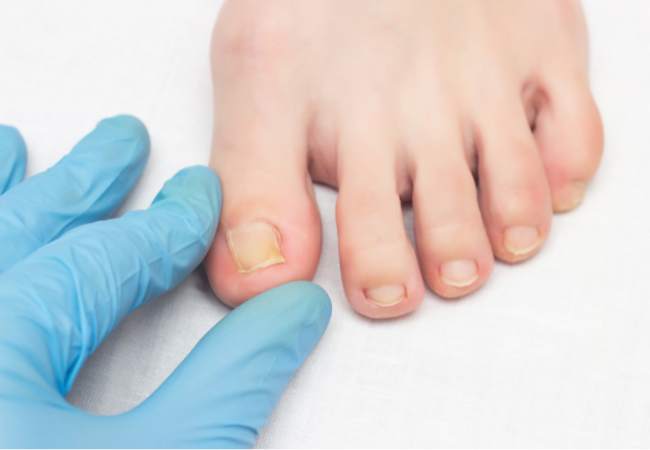
Dry, flaky, or cracked toenails may be caused by dehydration, but can also result from fungal infections, skin conditions like psoriasis, or hormonal imbalances and should be checked if persistent.
This can happen from:
- Not drinking enough water
- Overwashing your feet without moisturising
- Wearing closed shoes for long hours without letting your feet breathe
- Low levels of biotin, iron, or healthy fats in your diet
Brittle toenails may improve over several weeks with proper hydration and nutrition, but persistent issues could require medical treatment.
If you’re dealing with dry, flaky skin elsewhere too, you might want to check out this everyday guide to soft, glowing skin.
2. Yellow or discoloured nails
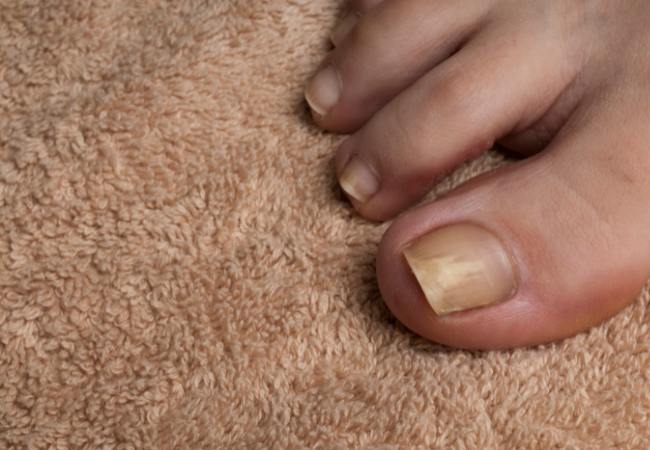
Yellowing toenails can come from a few different places.
Sometimes it’s just staining from dark nail polish (especially if you skip a base coat). Other times, it’s a sign of a fungal infection, particularly if the discolouration is thick, crumbly, or smells a bit off.
Yellow nails can sometimes be linked to circulation problems, though this is less common. Persistent discolouration should be evaluated by a healthcare professional.
If the colour change is recent and mild, natural remedies can often clear it up. If it’s spreading or getting worse, it’s worth checking in with a podiatrist.
3. Slow growth
Toenails naturally grow slower than fingernails, but if yours seem stuck or take forever to grow out after trimming, a few things could be at play:
- Poor circulation to your feet (common if you sit a lot or wear tight footwear)
- Low protein or zinc intake
- Hormonal shifts (like thyroid imbalance or ageing)
- Chronic stress, which redirects resources away from non-essential functions like nail growth
Improving circulation and nutrition almost always helps.
4. Thick or overgrown nails
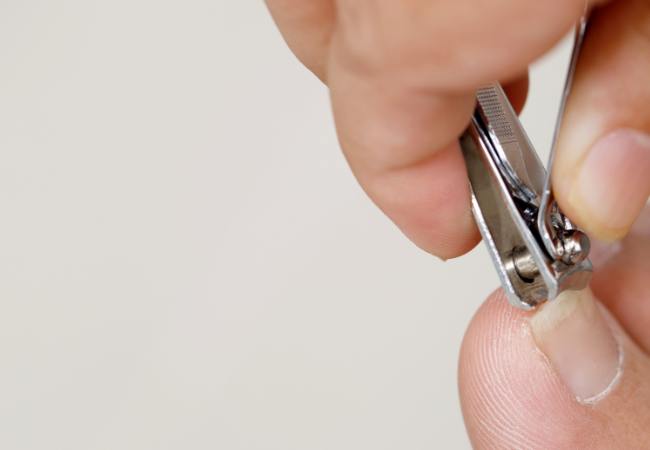
Thickened toenails can feel tough to cut and may start to look a bit yellow or cloudy.
This often happens with age, as cell turnover slows down. But it can also result from repeated trauma (like stubbing your toe or wearing shoes that press on the nail), fungal infections, or conditions like psoriasis.
If your nails are getting harder to manage, don’t force it with standard clippers. Consider investing in proper nail nippers or seeing a professional for regular trimming.
5. Ingrown toenails
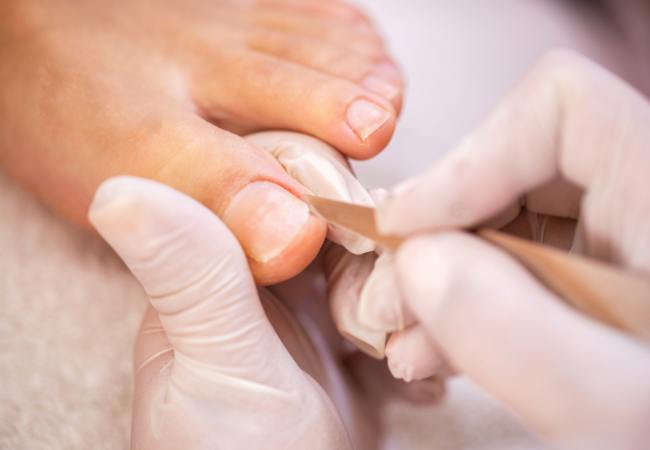
This is when the edge of your nail grows into the skin instead of over it, causing redness, swelling, and sometimes infection.
The usual culprits?
- Cutting your nails too short or rounding the edges
- Wearing tight or narrow shoes
- Genetics (some people’s nails just naturally curve more)
- Injury or repeated pressure on the toe
Ingrown toenails can be painful, but they’re often preventable with proper trimming technique and footwear that gives your toes room to move.
6. Fungal infections
Toenail fungus (onychomycosis, if we’re being fancy) is surprisingly common.
It thrives in warm, damp environments, so think sweaty trainers, communal showers, or constantly damp socks.
Signs include thickening, yellowing, crumbling nails, and sometimes a slightly musty smell.
Fungal infections are stubborn. Tea tree oil has antifungal properties and may help mild fungal infections if used consistently early, but more severe infections often need medical treatment.
Tea tree is one of the best immune-boosting essential oils you can keep in your natural health kit.
Natural remedies and DIY toenail care that actually work
Right, let’s get practical.
These recipes are simple, effective, and use ingredients you probably already have or can easily pick up. I’ve used variations of these in my own routine for years, and they genuinely make a difference.
1. Nourishing toenail oil blend
This is my go-to for brittle, dry, or damaged toenails. It softens cuticles, strengthens nails, and helps prevent fungal growth.
Dilute essential oils properly before applying to skin (typically 1-2% dilution). Avoid use during pregnancy and keep away from pets to prevent adverse reactions.
What you’ll need:
- 2 tablespoons olive oil (moisturising and rich in vitamin E)
- 1 tablespoon jojoba oil (absorbs quickly, mimics skin’s natural oils)
- 8 drops tea tree oil (antifungal and antibacterial)
- 5 drops lavender essential oil (soothing and healing)
If you’re new to using essential oils safely, take a look at this guide on essential oil safety to make sure you’re using them properly.
How to make it:
Mix everything in a small glass bottle or jar. Shake gently before each use.
How to use it:
Massage a few drops into each toenail and the surrounding skin every evening before bed. Let it soak in overnight. Wear cotton socks if you’re worried about sheets.
You should notice softer cuticles within a few days, and stronger nails after a couple of weeks of consistent use.
Ensure essential oils are diluted to safe concentrations (typically 1-2%). Store blends in dark glass bottles in a cool, dry place and use within 3 months to maintain efficacy.
2. Apple cider vinegar and Epsom salt foot soak
This is perfect for addressing fungal issues, softening thickened nails, and giving your feet a proper reset after a long day. If you love foot soaks, you’ll find even more recipes in this collection of soothing DIY foot soaks.
What you’ll need:
- A basin large enough for both feet
- Warm water
- ½ cup raw apple cider vinegar (antifungal and balancing) (get it here)
- ¼ cup Epsom salt (draws out toxins, soothes inflammation)
- Optional: 3 drops peppermint or eucalyptus oil for extra freshness
How to make it:
Fill your basin with warm (not hot) water. Stir in the apple cider vinegar and Epsom salt until dissolved. Add essential oils if using.
How to use it:
Soak your feet for 15 to 20 minutes, 2 to 3 times per week.
Gently scrub your toenails with a soft brush while soaking to help lift dead skin and debris. Pat your feet completely dry afterwards. Moisture trapped between toes is fungus’s best friend.
Follow up with your toenail oil or a rich balm.
3. Calendula and mango butter balm for post-soak care
If your toenails and cuticles are really dry or inflamed, this balm is incredibly soothing.
What you’ll need:
- 2 tablespoons mango butter (or cocoa butter) (get mango butter here)
- 1 tablespoon coconut oil
- 1 tablespoon calendula-infused oil (or plain calendula oil from a health shop)
- Optional: 4 drops frankincense or myrrh oil for extra skin repair
How to make it:
Melt the mango butter and coconut oil together in a double boiler or microwave. Stir in the calendula oil and essential oils (if using). Pour into a small tin or jar and let it set at room temperature.
How to use it:
Rub a small amount onto clean, dry toenails and cuticles. This works beautifully after a foot soak or whenever your nails feel tight and uncomfortable.
Calendula is anti-inflammatory and speeds up healing, so it’s particularly helpful if you’ve got redness or minor cracks around the nail. Want to learn more about natural skin tightening and healing remedies? I’ve got you covered.
The foods that feed strong, healthy toenails
Here’s something I remind clients all the time: you can slather on all the oils and balms you want, but if your body isn’t getting the right building blocks from the inside, your toenails won’t thrive.
Nails are made primarily of keratin, a fibrous protein formed from amino acids, and require various nutrients for healthy formation.
1. Biotin (vitamin B7)
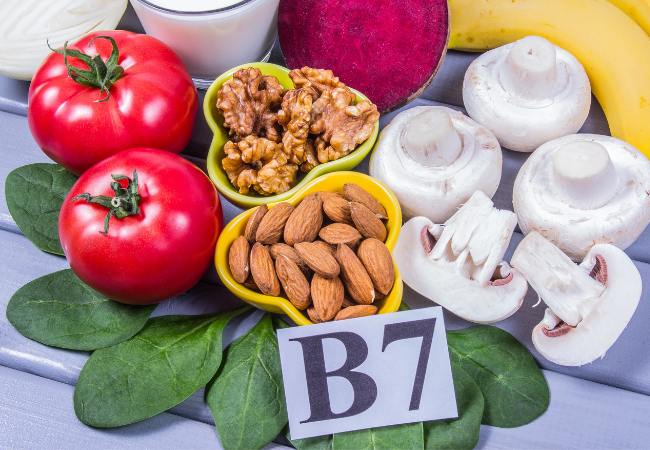
This is the superstar nutrient for nail strength. Studies show that biotin supplementation can increase nail thickness and reduce brittleness significantly.
Where to find it: Almonds, sweet potatoes, spinach, and sunflower seeds.
If your nails are chronically weak, consider a biotin supplement (around 2,500 to 5,000 mcg daily), but give it at least 2 to 3 months to see results.
2. Protein
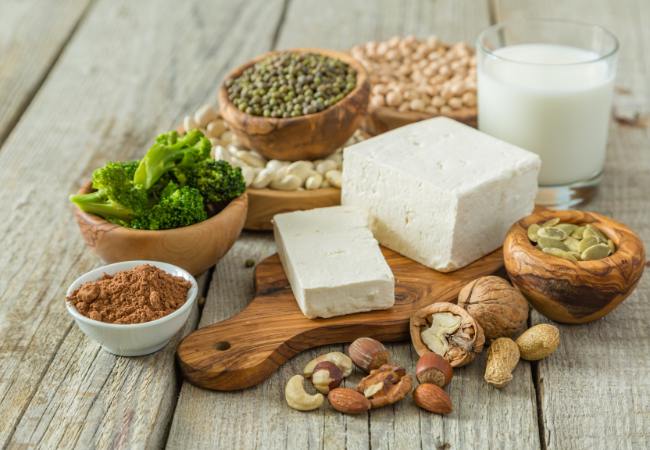
Your nails literally can’t grow without adequate protein. If you’re not eating enough, your body will prioritise more essential functions, and nail growth slows right down.
Where to find it: Lentils, chickpeas, black beans, quinoa, tofu, tempeh, edamame, hemp seeds, and peanut butter.
Aim for a palm-sized portion of protein with each main meal.
3. Zinc
Zinc supports cell growth and repair, and a deficiency often shows up as white spots on nails or slow growth.
Where to find it: Pumpkin seeds, hemp seeds, chickpeas, lentils, cashews, quinoa, and fortified nutritional yeast.
4. Omega-3 fatty acids
These healthy fats keep your nail bed hydrated and reduce inflammation, which can prevent splitting and peeling.
Where to find it: Flaxseeds (ground), chia seeds, hemp seeds, walnuts, algae oil, and fortified plant milks.
A good-quality algae-based omega-3 supplement is an excellent option if you want to be certain you’re getting enough EPA and DHA. If you’re curious about flaxseeds specifically, here’s everything you need to know about their mighty benefits.
5. Iron
Severe or prolonged iron deficiency can lead to spoon-shaped nails (koilonychia) and may slow nail growth.
Where to find it: Lentils, spinach, tofu, quinoa, pumpkin seeds, fortified cereals, and blackstrap molasses.
Pair plant-based iron with vitamin C (like a squeeze of lemon, some bell peppers, or a handful of strawberries) to help absorption. Plant-based iron is absorbed differently than animal sources, so eating vitamin C-rich foods at the same meal makes a real difference.
6. Water

If your toenails are dry and brittle, check in with your water intake. Aim for around 2 litres a day, more if you’re active or it’s warm.
Your simple daily and weekly nail-care routine
Looking after your toenails doesn’t have to be a big production. It’s about small, consistent habits that add up over time.
Here’s what I recommend:
Daily
Moisturise your feet. After your shower, massage a bit of your toenail oil or a rich foot cream into your nails and cuticles. It takes 30 seconds and makes a huge difference.
Wear breathable footwear. Let your feet breathe whenever possible. At home, go barefoot or wear natural-fibre socks. Avoid keeping damp shoes on for hours.
Check for changes. Just a quick glance while you’re moisturising. Catching problems early makes them so much easier to address.
Weekly
Trim your toenails properly. Use clean, sharp clippers. Trim toenails straight across to help prevent ingrown nails, but slight rounding may be appropriate based on individual nail shapes.
Do a foot soak. Whether it’s the apple cider vinegar version or just warm water with a bit of Epsom salt, give your feet 15 minutes of care once or twice a week.
Gently exfoliate. Use a soft brush or a natural pumice stone to remove dead skin around your nails and on your feet. This prevents buildup that can trap moisture and bacteria. For more ways to care for your skin naturally, you might enjoy reading about these chemical-free natural beauty hacks.
Apply your nourishing balm. After soaking and drying thoroughly, lock in moisture with a rich balm or oil.
Monthly
Inspect your shoes. Are they too tight? Too narrow? Worn out? Your footwear has a bigger impact on toenail health than you might think.
Give your nails a polish break. If you wear nail varnish regularly, let your toenails breathe for a week or two. Polish can trap moisture and contribute to discolouration or fungal growth.
When to see a professional…
Natural care works beautifully for most toenail issues, but there are times when you need to call in a pro.
See a podiatrist or GP if:
- You’ve got persistent pain, swelling, or redness around a toenail
- Your nail is severely thickened, lifting off the bed, or smells foul
- You see pus or signs of infection
- You’re diabetic or have circulation issues (toenail problems can escalate quickly in these cases)
- Home remedies haven’t improved things after 4–6 weeks
- You’ve got a deeply ingrown toenail that’s not responding to gentle care
There’s no shame in getting help. Sometimes a small intervention early on prevents a much bigger problem later.
My final thoughts
Your toenails might be small, but they’re worth caring for.
They carry you everywhere, protect your toes, and quietly reflect what’s happening inside your body. When they’re strong, smooth, and healthy, it’s a sign that you’re nourishing yourself well — inside and out.
The beauty of natural toenail care is that it’s simple. You don’t need fancy treatments or expensive products. A good oil blend, a weekly soak, clean nutrition, and consistent habits will take you further than any quick fix ever could. This is the same philosophy I use for keeping skin healthy with a simple routine, and it works beautifully.
Start small. Pick one thing from this guide: maybe it’s the toenail oil, or adding more biotin-rich foods to your meals, or just trimming your nails properly from now on.
Do that one thing consistently, and watch what happens.
Your toenails are tougher than they look. Give them a bit of attention, and they’ll reward you with strength, resilience, and a level of comfort you didn’t even realise you were missing.
Resources
- Haneke E. Nail disorders: diagnosis and management. Am J Clin Dermatol. 2017;18(6):759‑767. doi:10.1007/s40257‑017‑0297‑8
- Baran R, Dawber RPR, de Berker D, Haneke E, Tosti A. Baran and Dawber’s Diseases of the Nails and Their Management. 4th ed. Oxford: Wiley‑Blackwell; 2012.
- Lipner SR, Scher RK. Onychomycosis: clinical overview and diagnosis. J Am Acad Dermatol. 2019;80(4):835‑851. doi:10.1016/j.jaad.2018.09.055
- Grothe HL, Bailey E, Winge MC, Thomsen SF. Topical herbal preparations for fungal nail infections: a systematic review. Complement Ther Med. 2021;59:102693. doi:10.1016/j.ctim.2021.102693
- Bae YS, Shin HS, Han SH, Park YM. The effect of tea tree oil on dermatophyte infection. Mycobiology. 2015;43(4):392‑396. doi:10.5941/myco.2015.43.4.392
- Zempleni J, Hassan YI, Wijeratne SSK. Biotin and biotinidase deficiency. Expert Rev Endocrinol Metab. 2008;3(6):715‑724. doi:10.1586/17446651.3.6.715
- Lin TK, Zhong L, Santiago JL. Anti‑inflammatory and skin barrier repair effects of topical omega‑3 fatty acids. Int J Mol Sci. 2018;19(1):70. doi:10.3390/ijms19010070
- Gupta AK, Mays RR, Versteeg SG, Shear NH, Piguet V. Update on current approaches to diagnosis and treatment of onychomycosis. Expert Rev Anti Infect Ther. 2018;16(11):929‑938. doi:10.1080/14787210.2018.1532794
- Lippi G, Targher G, Franchini M, Montagnana M, Guidi GC. Iron and nails: a review of the pathophysiologic relationships. Clin Chim Acta. 2009;400(1‑2):48‑55. doi:10.1016/j.cca.2008.10.034
- Di Chiacchio N, Kadunc BV, de Almeida AR, Madeira CL. Nail biotin supplementation in brittle nail syndrome: a clinical study. J Cosmet Dermatol. 2007;6(2):125‑129. doi:10.1111/j.1473‑2165.2007.00267.x
