

The 3 Things You Should NEVER Do When Using Castor Oil
I don’t care how pure your castor oil is.
If you’re using it wrong, you might as well be rubbing cooking oil on your face.
I’ve been there. The clogged pores, the sticky residue, the confusion when everyone else swears it’s a miracle and you’re left wondering what you’re doing wrong.
Turns out, the problem isn’t castor oil.
It’s how you’re using it.

Let me save you the frustration I went through. Here are the three mistakes that’ll wreck your results every single time, and exactly how to fix them.
(Disclaimer: Some links may be affiliate links. If you buy through them, I may earn a small commission, always at no extra cost to you)
Mistake 1: Using it undiluted on your face (please don’t do this)
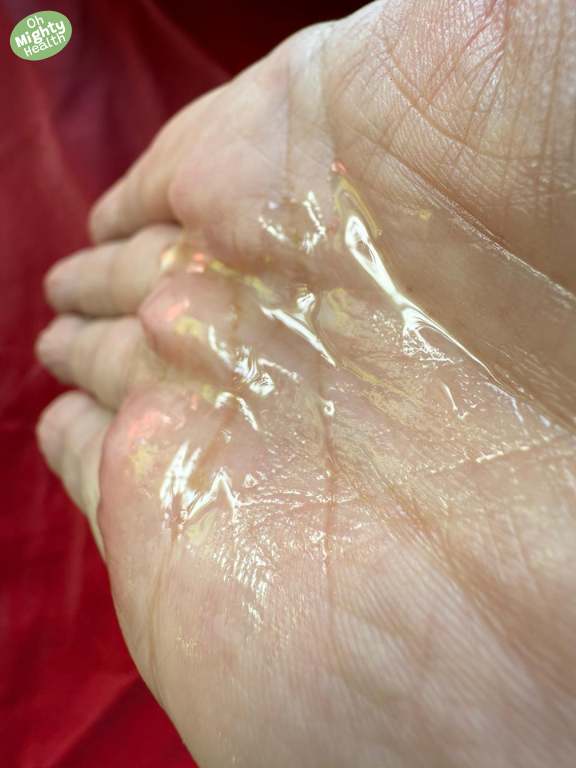
This is the mistake I see most often.
Someone buys a bottle of pure castor oil, slathers it all over their face before bed, and wakes up wondering why their skin feels congested or they’ve got new spots.
Here’s the thing: castor oil is THICK. Really thick. It’s not like jojoba or rosehip that absorb nicely on their own.
When you use it straight, it just sits on your skin’s surface. It doesn’t penetrate properly, it can trap dirt and debris, and it overwhelms your pores (even though castor oil itself has a comedogenic rating of 1, which is quite low).
What happens when you use it undiluted
Your skin can’t breathe properly. The oil creates a heavy barrier that prevents natural oil flow and can lead to clogged pores.
You’re not getting the benefits. Without proper dilution, the active compounds can’t work effectively because the oil doesn’t absorb.
It feels awful. That sticky, heavy sensation? That’s castor oil telling you it needs to be diluted.
How to use it properly instead
Always dilute castor oil with lighter carrier oils. My go-to ratio is 1 part castor oil to 3 or 4 parts lighter oil.
For your face, mix it with oils like:
- Jojoba oil (brilliant for all skin types)
- Rosehip oil (adds anti-ageing benefits)
- Grapeseed oil (light and non-greasy)
- Argan oil (deeply nourishing without heaviness)
For hair treatments, you can use slightly more castor oil (1:2 ratio) because your scalp can handle it better.
My favourite facial blend: 1 teaspoon regular castor oil, 3 teaspoons jojoba oil, 2 drops frankincense essential oil. This absorbs beautifully and gives you all the benefits without the heaviness.
Mistake 2: Expecting overnight miracles (it doesn’t work that way)
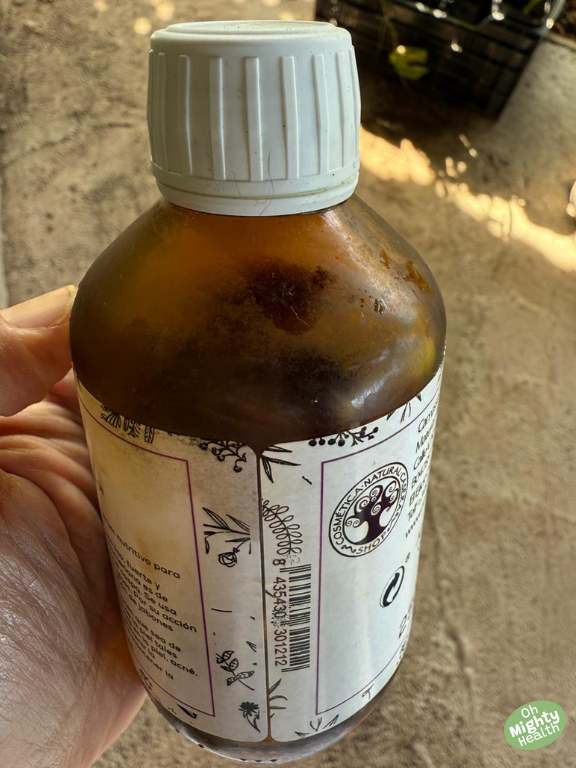
I get messages all the time: “I used castor oil for three days and nothing happened!”
Right. Let me be completely honest with you.
Castor oil isn’t magic. It’s a nourishing oil with genuine benefits, but it works gradually. FACTCHECK: typical timeframe for seeing results with consistent castor oil use varies by application.
The reality of castor oil results
For eyelash/eyebrow growth: You need 6 to 8 weeks of consistent daily application before you’ll notice any difference. And even then, results vary hugely between people.
For skin concerns: Improvements in texture, dark spots, or fine lines take 4 to 6 weeks minimum. Your skin needs time to respond and regenerate.
For hair growth: If you’re using it on your scalp, expect to wait 2 to 3 months before seeing measurable changes. Hair grows slowly, and castor oil can only support what your body’s already doing.
Why patience actually matters here
Your skin renews itself roughly every 28 days (longer as you age). Castor oil supports this process, it doesn’t speed it up dramatically.
Benefits accumulate over time. The anti-inflammatory effects of ricinoleic acid build gradually as you use it consistently.
Quick fixes usually cause more problems. Rushing results often means using too much, applying too often, or mixing it with harsh ingredients that irritate your skin.
How to set realistic expectations
Commit to at least 6 weeks of consistent use before deciding if it works for you. Take progress photos if you’re tracking specific concerns.
Use it as part of a broader routine, not as your only skincare step. Castor oil works best when combined with proper cleansing, hydration, and sun protection.
Remember that some people simply respond better to castor oil than others. Genetics, skin type, and overall health all play a role.
Mistake 3: Buying the wrong type of castor oil (quality matters more than you think)
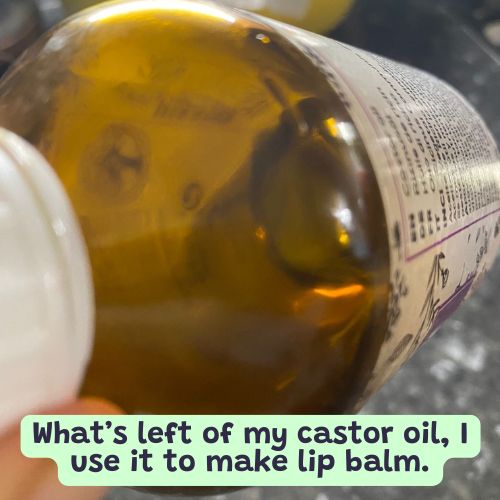
Not all castor oil is created equal, and this is where many people go wrong.
I’ve tested dozens of castor oils over the years. The differences between them are genuinely significant, both in how they feel and how well they work.
The types of castor oil you’ll find
Cold-pressed, hexane-free castor oil: This is what you want. It’s extracted without chemicals and retains all the beneficial compounds. Here’s the one I recommend.
Jamaican black castor oil: This is roasted before processing, giving it a dark colour and slightly different properties. It’s brilliant for hair but can be too heavy for facial use. Get it here.
Refined/processed castor oil: Cheaper but stripped of many beneficial compounds. Often extracted using hexane (a petroleum-derived solvent). Skip this one.
“Castor oil blends”: Pre-mixed products that contain mostly other oils with just a bit of castor oil. Read the ingredients list carefully.
Why organic matters with castor oil
Castor plants absorb pesticides and chemicals from the soil. When you press the seeds, those contaminants end up concentrated in the oil.
Organic certification ensures the plants were grown without synthetic pesticides, herbicides, or fertilisers. This matters when you’re putting it on your face or near your eyes.
The price difference is usually minimal. You’re talking £3 to £5 more for organic, and you’re using such small amounts that one bottle lasts months.
How to spot quality castor oil
Colour: Should be pale yellow to golden. Very dark oil (unless it’s deliberately Jamaican black castor oil) suggests old or oxidised product.
Consistency: Thick and viscous, yes, but it should still pour slowly. If it’s solid or won’t pour at all, something’s wrong.
Smell: Mild, slightly nutty or earthy. Strong, rancid, or chemical smells mean it’s gone off or was poorly processed.
Packaging: Dark glass bottles protect the oil from light degradation. Avoid clear plastic bottles.
Information: The label should state cold-pressed, hexane-free, and ideally organic. If it doesn’t mention extraction method, assume it’s been processed with solvents.
Storage mistakes that ruin good oil
Even quality castor oil can go off if you store it wrong.
Keep it somewhere cool and dark. Not the bathroom (too humid) and definitely not by a sunny window.
Close the bottle tightly after each use. Exposure to air causes oxidation.
Don’t contaminate it. If you’re scooping it out, use a clean spoon or dropper each time. Bacteria and water will make it go rancid.
Check the date. Castor oil typically lasts 1 to 2 years unopened, 6 to 12 months once opened. FACTCHECK: exact shelf life of castor oil after opening.
What good castor oil use actually looks like
Now that you know what NOT to do, here’s what proper castor oil use looks like in practice.
For your face
Mix your diluted blend (remember, 1 part castor to 3 or 4 parts lighter oil). Apply 3 to 4 drops to clean, slightly damp skin in the evening.
Massage gently in upward circular motions. Focus on areas of concern but don’t overload any one spot.
Give it 5 to 10 minutes to absorb before applying anything else. If it still feels heavy after that, you’ve used too much or need to dilute it more.
Use it 3 to 4 times per week, not every single night. Your skin needs breaks.
For your lashes or brows
Use a clean mascara wand or cotton bud. Dip it in your diluted castor oil blend (you can use a 1:1 ratio here since the area is small).
Apply carefully along your lash line or through your brows before bed. Avoid getting it directly in your eyes.
Be consistent. Every single night for at least 6 to 8 weeks. This is where most people give up too early.
For your hair and scalp
Section your hair so you can access your scalp properly. Apply your castor oil blend (1 part castor to 2 parts lighter oil like coconut or jojoba) directly to your scalp.
Massage it in for 2 to 3 minutes. This stimulates blood flow, which is just as important as the oil itself.
Leave it for 30 minutes minimum, or overnight if you can manage the mess. Wrap your hair in a towel or use an old pillowcase.
Wash it out thoroughly. You’ll probably need to shampoo twice. That’s normal with castor oil.
Do this once per week consistently rather than sporadically.
The bottom line on castor oil mistakes
Castor oil is genuinely brilliant when you use it properly.
But using it undiluted, expecting instant results, or buying poor-quality oil will leave you disappointed and possibly with worse skin than when you started.
Take the time to dilute it properly. Commit to consistent use over weeks, not days. Invest in quality, organic, cold-pressed oil from a reputable source.
These three changes will completely transform your experience with castor oil. Trust me on this one.
I’ve seen it work beautifully for hundreds of people once they stopped making these common mistakes.
Your skin (and your hair, and your lashes) will thank you for getting it right.
Love,
Patri xx
Want to learn more about using natural oils for your skin? Check out my complete guide to carrier oils for skin and discover which oils work best for your specific skin type.
Resources
- DiNicolantonio JJ, Sun T, O’Keefe JH. Castor oil – StatPearls. NCBI Bookshelf. 2024 May 23.
- Abdelwahab SI et al. Castor oil: Benefits, use, and side effects. Medical News Today. 2024 Nov 27.
- Chalene Johnson. Castor Oil Mistakes You Need to STOP Making Right Now! 2024 May 2.
- Silvari Group. How long does castor oil last? 2025 Jan 19.
- Lab Alley. What kind of castor oil is best? 2024 May 12.
- KisanAGRO. Grades of castor oils. 2017 Jan 31.
- Fleur & Bee. Castor Oil for Skin: Benefits and How to Use. 2020 Dec 15.
