

Self Care Tips After the Holidays: Reset Without Diets or Guilt
The tree’s gone. The leftovers are finally finished. And you? You feel like rubbish.
Your jeans don’t fit right. Your skin’s dull and tight. You’re waking up at 3am even though you’re exhausted. And honestly, you’d give anything for a simple bowl of soup instead of another chocolate you don’t even want.
You’re not lazy. You’re not failing. You’re just burnt out.
Here’s the truth nobody says out loud: the holidays wreck you. The late nights, the rich food, the family stress, the constant noise. Your body’s been running on fumes for weeks, and now it’s saying enough.

But here’s what you don’t need: a juice cleanse. A restrictive diet. A punishing workout plan. More guilt.
What you actually need is warmth. Rest. Simple food. Quiet.
This article gives you a 5 day reset that doesn’t demand perfection. No rules. No deprivation. Just gentle, practical support to help your body find its rhythm again.
Because you deserve to feel like yourself without having to earn it.
(Disclaimer: Some links may be affiliate links. If you buy through them, I may earn a small commission, always at no extra cost to you).
Why you feel run down after the holidays
Let’s start by understanding what’s actually happening in your body.
Stress load and nervous system exhaustion
The holidays are lovely, but they’re also intense. Social events, family dynamics, gift shopping, cooking, cleaning, hosting, travelling. Even joyful activities add up.
Your nervous system has been working overtime. When you’re constantly “on,” your body produces more cortisol and adrenaline. After weeks of this, you can feel wired but exhausted at the same time.
This isn’t weakness. It’s biology.
Irregular sleep patterns
Late nights, early mornings, disrupted routines. Your body thrives on rhythm, and the holidays throw that rhythm off completely.
Poor sleep affects everything from your mood to your digestion to how well your skin repairs itself overnight.
Overstimulation and noise
Bright lights, loud gatherings, screens, music, conversations. All of it requires mental energy to process.
After weeks of heightened stimulation, your brain needs quiet.
Heavier meals, alcohol, and sugar
Rich foods, desserts, wine, festive treats. These aren’t “bad,” but they’re a lot for your digestive system to handle day after day.
Your gut does an enormous amount of work digesting heavy, fatty, or sugary meals. When it’s overworked, you feel sluggish, bloated, and uncomfortable.
Add alcohol (which dehydrates you and disrupts sleep quality), and your liver’s working extra hard too.
The result? You feel off
Bloating, fatigue, skin breakouts, brain fog, low energy, emotional overwhelm. It all makes sense when you look at what your body’s been managing.
You haven’t done anything wrong. You just need some gentle support to come back to centre.
A gentle 5 day reset (no dieting)
This isn’t about restriction. It’s about creating conditions that help your body feel better naturally.
Each day focuses on one simple theme. You can follow them in order or pick what feels most helpful.
Day 1: Warmth and hydration
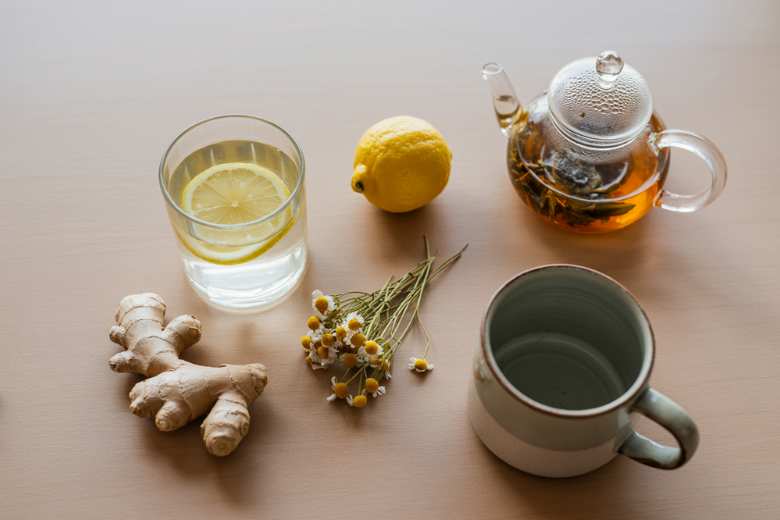
Your first job is to rehydrate and warm your system.
Morning: Start with a big glass of room temperature or warm water. Add a squeeze of lemon if you like.
Your body loses water overnight, and if you’ve been drinking alcohol or eating salty foods, you’re probably more dehydrated than usual.
Throughout the day: Drink warm herbal teas. Ginger tea, peppermint, chamomile, fennel. All of these support digestion gently.
Keep a thermos or mug with you. Sip slowly.
Evening: Have a warm bath or shower. Let the heat relax your muscles and signal to your nervous system that it’s safe to rest.
Apply body oil whilst your skin’s still damp. Something simple like jojoba or almond oil works beautifully. If your skin’s feeling particularly dry after winter weather, you might want to look at hydrating skincare ideas that go beyond basic moisturising.
Why warmth matters: Cold bodies hold tension. Warmth helps your muscles relax, your blood flow improve, and your digestion work better.
Day 2: Simple plant-based meals

Today, focus on eating warm, easy to digest foods.
Breakfast: Porridge with mashed banana, a sprinkle of cinnamon, and a handful of pumpkin seeds.
Or warm almond milk with a teaspoon of ground flaxseed and a drizzle of agave.
Lunch: A big bowl of vegetable soup. Carrot and ginger. Lentil and sweet potato. Whatever feels nourishing.
Add a slice of wholegrain toast if you’re hungry.
Dinner: A warm grain bowl. Brown rice or quinoa, roasted vegetables (sweet potato, courgette, peppers), tahini dressing, fresh herbs.
Keep it simple. Don’t overthink it.
Why this helps: Warm, cooked meals are easier for your digestive system to break down. You’re giving your gut a break whilst still getting good nutrition.
Root vegetables and whole grains provide fibre, which supports your digestion getting back on track.
Day 3: Nervous system calming rituals
Your nervous system needs active care today.
Morning: Spend 5 minutes doing slow, deep breathing. Breathe in for 4 counts, hold for 4, breathe out for 6.
This activates your parasympathetic nervous system (your “rest and digest” mode).
Midday: Go for a slow walk outside. No headphones. Just you, your breath, and the rhythm of walking.
Natural light helps regulate your circadian rhythm, which improves sleep later.
Evening: Put your phone away an hour before bed. Dim the lights. Make yourself a cup of chamomile or lemon balm tea.
Read something calming or just sit quietly. If you’re looking for more evening rituals that help you unwind, I’ve written about a simple night routine for couples that works beautifully for solo relaxation too.
Why this matters: Your nervous system can’t heal if you keep pushing it. Slowing down isn’t lazy. It’s how you recover.
Day 4: Light movement and rhythm
Today, focus on gentle movement and getting back into a routine.
Morning: Do 10 minutes of gentle stretching. Nothing intense. Just wake your body up slowly.
Yoga stretches, reaching your arms overhead, rolling your shoulders, touching your toes.
Throughout the day: Walk after meals. Even 5 to 10 minutes helps your digestion and prevents that heavy, stuck feeling.
Evening: Go to bed at a consistent time. Your body craves rhythm. Rebuilding a sleep routine is one of the kindest things you can do.
Why movement helps: Light movement stimulates your lymphatic system, improves circulation, and helps move food through your digestive tract.
It also lifts your mood naturally.
Day 5: A small home reset
Your environment affects how you feel. Today, tidy one small area.
Morning: Spend 10 minutes clearing your bedside table, kitchen counter, or bathroom sink.
Put things back where they belong. Wipe surfaces down.
Afternoon: Change your bedsheets. Fresh sheets feel like a reset for your sleep space.
Evening: Light a candle or diffuse some lavender. Create a calm atmosphere that feels intentional.
Why this matters: Clutter and mess create low level stress. A tidy space helps your mind feel clearer.
You don’t need to deep clean your entire house. Just one small area makes a difference.
Plant-based foods that naturally support digestion and energy
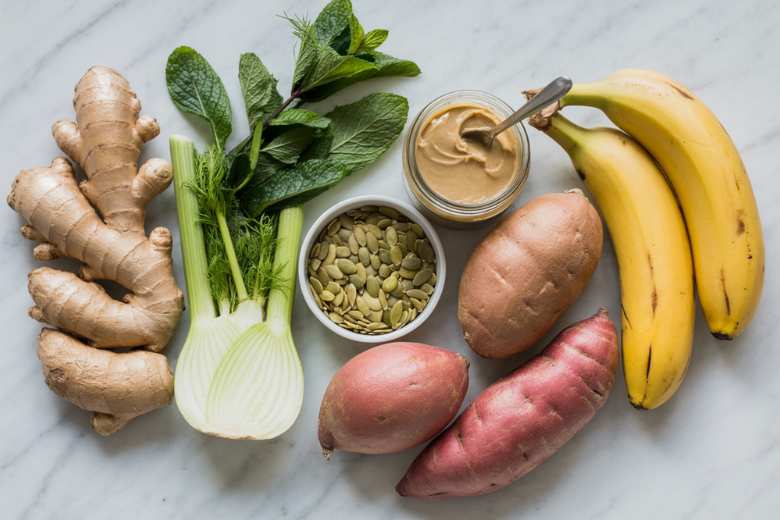
Let’s talk about what actually helps your body recover.
Ginger
Ginger stimulates digestive enzymes and helps move food through your system. It also reduces nausea and bloating.
How to use it: Fresh ginger tea (slice a thumb sized piece, steep in hot water for 10 minutes). Add it to soups, stir fries, or smoothies.
Fennel
Fennel relaxes the muscles in your digestive tract and reduces gas and bloating. Research shows it has genuine anti spasmodic properties.
How to use it: Fennel tea after meals. Or roast fennel bulbs and add them to salads or grain bowls.
Peppermint
Peppermint calms your stomach and reduces bloating. It’s especially helpful if you’re feeling uncomfortable after eating.
How to use it: Peppermint tea between meals. Don’t drink it right after eating if you have acid reflux, as it can relax the valve between your stomach and oesophagus.
Lemon balm and chamomile
Both are nervines (herbs that calm your nervous system). They also support digestion gently.
How to use them: Evening teas. Sip slowly whilst you wind down.
Magnesium rich foods
Magnesium helps your muscles relax, supports good sleep, and keeps your bowels moving regularly.
Good vegan sources: Pumpkin seeds, sunflower seeds, spinach, chard, cacao powder, tahini, almonds, black beans.
Add a tablespoon of tahini to your meals. Snack on pumpkin seeds. Make hot chocolate with cacao powder and almond milk.
Potassium rich foods
Potassium helps balance the sodium from salty holiday meals and reduces water retention.
Good vegan sources: Bananas, sweet potatoes, white beans, spinach, avocado, dried apricots.
Easy to digest meals
Focus on cooked vegetables, whole grains, legumes (well cooked), and healthy fats.
Warm soups, stews, curries, grain bowls, mashed sweet potatoes, porridge.
Why warmth matters: Your digestive system works better when it’s warm. Cold, raw foods require more energy to break down. After the holidays, give your gut the easiest job possible.
Gentle self care that actually helps you recover

Self care isn’t optional right now. It’s repair work.
Warm baths or showers
Heat relaxes tense muscles, improves circulation, and signals safety to your nervous system.
Add Epsom salts (magnesium sulphate) to your bath. Your skin absorbs magnesium, which helps you feel calmer.
Body oils
After your bath or shower, apply oil to damp skin.
Jojoba, sweet almond, or sunflower oil all work beautifully. Get sweet almond oil here.
This seals in moisture and gives your dry winter skin what it needs.
Magnesium body care
If you don’t like baths, try magnesium body butter or oil. Rub it into your legs, arms, and shoulders before bed.
Magnesium applied topically can help your muscles relax and improve sleep quality.
Simple skincare reset for winter dryness
Your skin’s probably feeling tight and flaky after central heating and cold weather. If you’re dealing with winter dryness, my winter skincare routine guide covers this in more detail.
Morning: Splash your face with lukewarm water. Apply a few drops of jojoba oil or argan oil whilst your skin’s still damp.
Evening: Oil cleanse to remove the day’s grime gently. Follow with a richer oil like rosehip or a thin layer of shea butter.
Keep it simple. Your skin doesn’t need 10 products. It needs moisture and consistency. If you’re curious about the correct order of skincare products, I’ve written a detailed guide on layering for both morning and night.
Slow evenings
After dinner, resist the urge to stay busy.
Make tea. Sit down. Read a book. Listen to calming music. Let yourself just be.
Your nervous system needs permission to rest. Give it that permission.
A realistic morning routine to feel grounded again
Mornings set the tone for your whole day. Keep yours low pressure and warm.
Step 1: Warm drink first thing
Before you do anything else, drink something warm.
Hot water with lemon. Herbal tea. Warm almond milk with cinnamon.
This wakes your digestive system gently and helps you feel grounded.
Step 2: Light stretching (5 minutes)
Roll your shoulders. Stretch your arms overhead. Twist gently side to side. Touch your toes.
You’re not training for anything. You’re just waking your body up kindly.
Step 3: Gentle sunlight
Open your curtains. If possible, step outside for 2 minutes.
Natural light in the morning helps regulate your circadian rhythm, which improves your sleep that night.
Step 4: Reset your space (5 minutes)
Before you start your day, spend 5 minutes tidying.
Make your bed. Clear the breakfast dishes. Put things back where they belong.
A clear space helps your mind feel clearer.
Step 5: Low pressure start
Don’t dive straight into emails or social media.
Give yourself 20 to 30 minutes of calm before the demands start.
This isn’t selfish. It’s how you protect your energy for the day ahead.
If you’re finding it hard to maintain this gentler approach, remember that your skin needs less, and so does the rest of you.
How to handle post holiday bloating without restriction
Bloating is uncomfortable, and I hear you. But restriction makes it worse.
Here’s what actually helps.
Chew your food well
Digestion starts in your mouth. When you chew thoroughly, you break food down into smaller pieces, which makes your stomach’s job easier.
Aim for 20 to 30 chews per mouthful. Yes, really.
Eat warm, cooked meals
Cold, raw foods require more digestive energy. Warm foods are gentler on your gut.
Soups, stews, roasted vegetables, warm grains. Keep it simple and cooked.
Drink herbal teas between meals
Peppermint, ginger, fennel. All of these reduce gas and bloating naturally.
Sip slowly. Let the warmth relax your digestive muscles.
Walk after meals
A 10 minute walk stimulates your digestive system and helps food move through more easily.
You don’t need to power walk. Just a gentle stroll.
Avoid carbonated drinks
Fizzy drinks add air to your digestive system, which increases bloating.
Stick to still water and herbal teas.
Be patient
Bloating takes time to settle. Your gut’s been working hard. Give it a few days of gentle care, and it’ll calm down.
Don’t panic. Don’t restrict. Just support it kindly.
You don’t need perfection. You need kindness.
Here’s what I want you to remember.
You’re not starting over. You’re just coming back to centre.
The holidays aren’t something you need to “recover from” like they’re a disaster. They’re part of life. Rich food, late nights, celebration, rest, mess, joy. All of it.
And now? You’re simply creating space for your body to find its rhythm again.
This isn’t about being perfect.
You don’t need to follow every suggestion in this article. Pick what feels helpful. Leave the rest.
This isn’t about punishment.
You didn’t do anything wrong by enjoying yourself. You don’t need to “earn back” your health through restriction or overexercise.
This is about listening.
Your body’s telling you what it needs. Warmth. Rest. Simple meals. Quiet. Rhythm.
Listen to it. Trust it.
And most importantly, be patient with yourself.
It took weeks for your routine to get disrupted. It’ll take more than a day or two to feel steady again.
That’s okay. You’re exactly where you’re supposed to be.
5 day reset checklist
Day 1: Warmth + Hydration
- Start with warm water (add lemon if you like)
- Drink herbal teas throughout the day (ginger, peppermint, chamomile)
- Have a warm bath or shower in the evening
- Apply body oil to damp skin
Day 2: Simple Plant Based Meals
- Breakfast: porridge or warm plant milk with flaxseed
- Lunch: vegetable soup with wholegrain toast
- Dinner: warm grain bowl (rice/quinoa, roasted veg, tahini)
- Keep meals warm, cooked, and easy to digest
Day 3: Nervous System Calming
- Morning: 5 minutes of slow, deep breathing
- Midday: slow walk outside (no headphones)
- Evening: put phone away 1 hour before bed, dim lights, herbal tea
Day 4: Light Movement + Rhythm
- Morning: 10 minutes of gentle stretching
- After meals: 5 to 10 minute walks
- Evening: consistent bedtime
Day 5: Small Home Reset
- Morning: tidy one small area (10 minutes)
- Afternoon: change bedsheets
- Evening: light a candle or diffuse lavender
Throughout All 5 Days:
- Drink plenty of warm fluids
- Chew food well (20 to 30 chews per bite)
- Choose warm, cooked meals over cold, raw foods
- Walk gently after eating
- Go to bed at a consistent time
- Be kind to yourself
Love,
Patri xx
Resources
- Stella Health. How holiday stress impacts your health [Internet]. 2025 Oct 31 [cited 2025 Dec 1]. Available from: https://stellishealth.com/blog-2025-holiday-stress-and-health/
- United Digestive. Managing holiday stress for better digestive health [Internet]. 2025 Nov 13 [cited 2025 Dec 1]. Available from: https://www.uniteddigestive.com/managing-holiday-stress-for-better-digestive-health/
- Gastrointestinal Specialists, LLC. The effect of holiday stress on the gastrointestinal system [Internet]. 2023 Nov 22 [cited 2025 Dec 1]. Available from: https://gi.md/the-effect-of-holiday-stress-on-the-gastrointestinal-system/
- DUTCH Test. Managing cortisol during holiday stress [Internet]. 2025 Oct 21 [cited 2025 Dec 1]. Available from: https://dutchtest.com/blog/elevated-cortisol-holiday-stress
- Premium Health Care. The impact of holiday stress on health [Internet]. 2024 Dec 16 [cited 2025 Dec 1]. Available from: https://premiumhealthcare.com/the-impact-of-holiday-stress-on-health/
- Clark Professional Pharmacy. Holiday stress: how it affects our body and how to manage it [Internet]. [cited 2025 Dec 1]. Available from: https://clarkprofessionalpharmacy.com/holiday-stress-how-it-affects-our-body-and-how-to-manage-it/
- Shah H, Khan I, Garg S. Functional foods with digestion-enhancing properties. J Med Food [Internet]. 2012 Mar 22 [cited 2025 Dec 1];15(3):206–16. Available from: https://pubmed.ncbi.nlm.nih.gov/22010973/
- Chumpitazi BP, Nurko S, et al. Herbs and spices in the treatment of functional gastrointestinal disorders: a review. Nutrients [Internet]. 2018 Nov 8 [cited 2025 Dec 1];10(11):1715. Available from: https://pmc.ncbi.nlm.nih.gov/articles/PMC6266883/
- Prevention. The 5 best teas for digestion, according to a dietitian [Internet]. 2025 Oct 18 [cited 2025 Dec 1]. Available from: https://www.prevention.com/food-nutrition/a69035983/best-teas-for-digestion/
- GetLabTest.com. Best teas for digestion: natural relief guide [Internet]. 2015 Oct 31 [cited 2025 Dec 1]. Available from: https://www.getlabtest.com/news/post/best-teas-for-digestion
- Huang Y, Chen S, Dai H, Liu F, Li G, Dong Y, et al. Association of magnesium intake with sleep duration and sleep quality: a longitudinal study. Nutrients [Internet]. 2021 Nov 19 [cited 2025 Dec 1];13(11):4106. Available from: https://pmc.ncbi.nlm.nih.gov/articles/PMC8996025/
- McCarty DE, Reddy A, et al. The role of magnesium in sleep health: a systematic review of current evidence. Sleep Med Rev [Internet]. 2023 Jan 29 [cited 2025 Dec 1];68:101737. Available from: https://pubmed.ncbi.nlm.nih.gov/35184264/
- Institut Català de Neurociències Aplicades. Magnesium can improve sleep quality and reduce anxiety [Internet]. 2024 Oct 31 [cited 2025 Dec 1]. Available from: https://www.icns.es/en/news/magnesium_improve_sleep_reduce_anxiety
- Mayo Clinic Press. Magnesium for sleep: what you need to know about its benefits [Internet]. 2025 Jun 13 [cited 2025 Dec 1]. Available from: https://mcpress.mayoclinic.org/living-well/magnesium-for-sleep-what-you-need-to-know-about-its-benefits/
- MD Premier. Managing holiday stress: how it impacts your health [Internet]. 2024 Nov 21 [cited 2025 Dec 1]. Available from: https://mdpremier.com/managing-holiday-stress-how-it-impacts-your-health/
- Hope Brain & Body Recovery Center. The science-backed guide to holiday stress management in 2025 [Internet]. 2025 Nov 14 [cited 2025 Dec 1]. Available from: https://hopebraincenter.com/the-science-backed-guide-to-holiday-stress-management-in-2025/
