

Forget resolutions and try these natural renewal rituals instead (Self Care January)
You know what happens every January, right?
The calendar flips over and suddenly everyone’s shouting about transformation, discipline, crushing goals.
Meanwhile, you’re probably just trying to recover from December whilst your body’s practically begging you to slow down.
Here’s what I suspect nobody tells you: your nervous system doesn’t do well with January pressure.
It’s designed to rest during winter, not sprint towards arbitrary targets that make you feel rubbish when they fall apart by February.
THIS IS VERY IMPORTANT!!
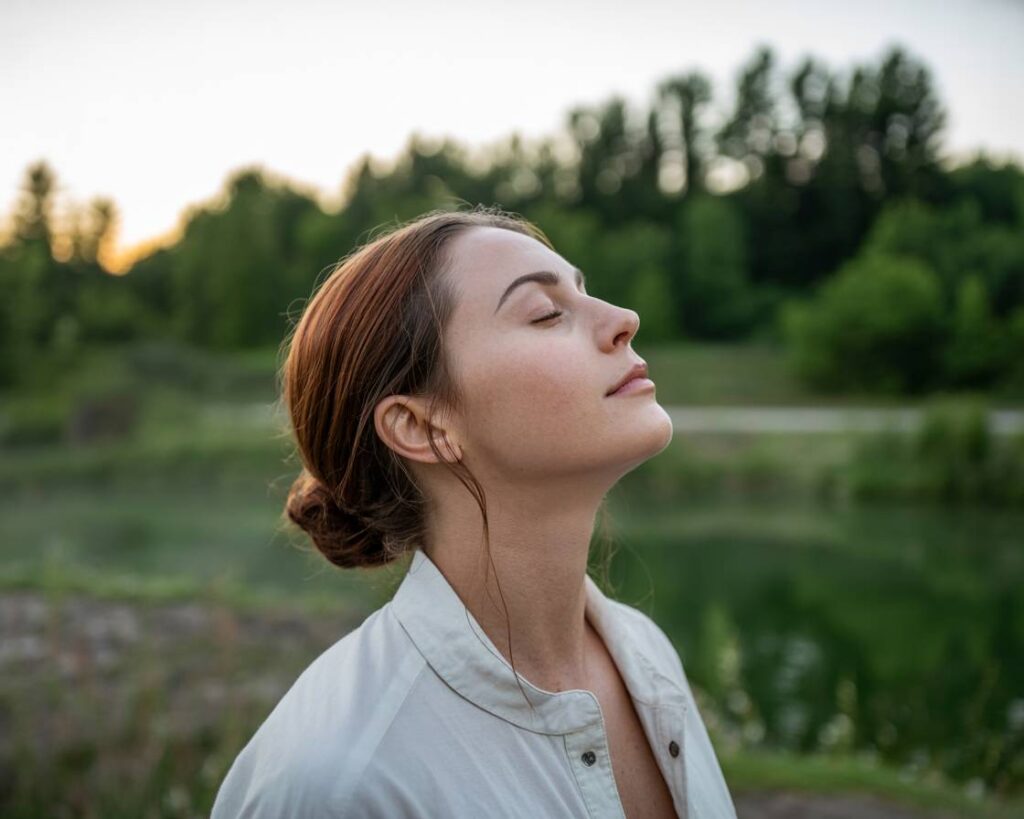
So, what if instead of forcing yourself into rigid resolutions, you simply offered your body gentle rituals that actually work with how you’re wired?
Think warming routines that calm your stress response. Nourishing practices that honour winter’s natural rhythm. Small, sensory moments that feel like coming home to yourself.
This isn’t about doing more. It’s about doing what genuinely soothes you, using nature’s gentle tools to support your body through the season.
Let’s explore rituals that feel like exhaling.
(Disclaimer: Some links may be affiliate links. If you buy through them, I may earn a small commission, always at no extra cost to you)
Why your body craves gentle rituals instead of harsh resolutions

Your nervous system operates on safety, not ambition.
When January hits with its “new year, new you” intensity, your body reads all that pressure as threat. Cortisol rises. Your sympathetic nervous system kicks in. You’re essentially in low-grade fight-or-flight whilst trying to overhaul your entire life.
This is why resolutions feel exhausting before you even start.
Winter itself tells a different story. Shorter days mean your body naturally produces more melatonin. Your circadian rhythm shifts toward rest. Even your metabolism slows slightly to conserve energy during colder months.
You’re not lazy for wanting to hibernate a bit. You’re responding appropriately to seasonal cues that humans have followed for thousands of years. If you’re wondering how to adjust your skincare for this season, your winter skincare routine works best when it matches this gentler energy too.
Gentle rituals work because they activate your parasympathetic nervous system, the rest and digest mode your body desperately needs right now. Warmth on your skin, slow movements, nourishing scents, these sensory experiences tell your brain that you’re safe.
When you feel safe, everything else gets easier. Sleep improves. Digestion calms. Even your thoughts slow down enough to actually hear yourself think.
The rituals below aren’t about becoming someone different. They’re about creating conditions where your nervous system can finally relax.
Warming morning grounding ritual (10 minutes that change everything)

Your first moments awake set your nervous system’s tone for the entire day.
Instead of checking your phone (which floods you with cortisol before you’ve even stood up), try this: stay in bed for three slow breaths. Actually feel the weight of your body against the mattress. Notice the temperature of the room against your skin.
Then move to something warm.
Fill your favourite mug with hot water and fresh lemon. Hold the mug in both hands. Feel the heat seeping into your palms. Watch the steam rise. Take small sips and notice the warmth travelling down your throat into your belly.
This isn’t just a nice drink. The warmth signals safety to your vagus nerve, which runs from your brain through your torso. Hot liquid literally soothes your nervous system from the inside.
If you’re feeling especially frazzled, add this: before drinking, place both hands over your heart. Feel your heartbeat. Count five breaths. This simple touch activates your body’s self-soothing response.
The whole ritual takes maybe ten minutes. But those ten minutes of gentle sensory grounding can shift your entire day from reactive to responsive.
Gentle evening wind-down ritual (for the sleep you’ve been dreaming of)

Your body needs transition time between doing and sleeping.
Most of us go from screens to bed in about thirty seconds, then wonder why we can’t switch off. Your nervous system doesn’t work like a light switch.
Try this instead: an hour before bed, dim the lights throughout your home. Bright light suppresses melatonin, but warm, low lighting tells your body that rest is coming.
Run a bath or shower at a temperature that feels genuinely comforting. Add nothing fancy, just warmth and steam. Stand under the water and consciously let your shoulders drop.
Afterwards, whilst your skin’s still slightly damp, massage plant oil into your body. Jojoba oil absorbs beautifully without feeling greasy. Rosehip oil offers gentle nourishment. Coconut oil provides deeper moisture for winter dry skin.
The slow, rhythmic touch of self massage activates pressure receptors that reduce cortisol. Your hands moving over your arms, legs, belly, this isn’t vanity. It’s nervous system regulation through gentle sensory input. If you want to understand the best way to layer these oils with other products, the correct order of skincare products guide can help.
Finish with herbal tea (see next section) whilst sitting somewhere comfortable, not in bed yet. Give yourself this buffer space between activity and sleep.
Your body will thank you with deeper rest.
Vegan kitchen apothecary herbal drinks (your nervous system will thank you)

Your evening drink can be actual medicine for frazzled nerves.
Chamomile contains apigenin, a compound that binds to the same brain receptors as anti anxiety medication, just much more gently. Studies show chamomile tea genuinely calms the nervous system without making you groggy.
Lemon balm (melissa) has been used for centuries specifically for stress relief. It works by gently supporting GABA, your brain’s main calming neurotransmitter. For women going through midlife transitions, herbs for menopause can offer additional nervous system support alongside your evening ritual.
Oat straw nourishes the nervous system directly. Think of it as food for overtaxed nerves rather than a sedative.
Simple evening blend: Combine equal parts chamomile, lemon balm, and oat straw. Use one heaped teaspoon per cup of just boiled water. Steep covered for ten minutes to keep volatile oils from escaping. Strain and sip slowly.
Add this sensory layer: whilst your tea steeps, hold the warm mug in both hands. Close your eyes. Notice the herbal scent rising with the steam. This isn’t just pleasant, aromatic compounds affect your limbic system, the emotional centre of your brain.
The ritual of making tea, waiting for it to steep, holding warmth in your hands, all of this tells your nervous system that you’re safe and cared for.
Store your herbs in glass jars where you can see them. The simple act of choosing herbs and preparing tea becomes a grounding practice in itself.
Body oiling rituals using warming plant oils (ancient practice, modern calm)

Your skin is your largest sensory organ.
When you apply warm oil slowly, with presence, you’re not just moisturising. You’re telling your nervous system through touch that it’s time to rest.
Ayurveda calls this practice abhyanga, but you don’t need any special knowledge. Just warm oil and your own hands.
How to do it: Slightly warm your chosen oil (pop the bottle in a bowl of hot water for a few minutes). Pour a small amount into your palm. Start at your feet, massaging in slow circular motions around joints and long strokes along limbs.
Move up your legs, over your belly in clockwise circles (following your digestive system’s natural direction), across your chest and shoulders, down your arms.
Use firm but gentle pressure. This isn’t about pushing deeply, just creating consistent contact between your hands and your skin.
Best oils for this: Sesame oil is traditionally used because it’s warming and grounding Sunflower oil offers lighter moisture with skin soothing properties Jojoba oil mimics your skin’s natural oils perfectly
The whole practice takes about ten minutes. Afterwards, either leave the oil on (it will absorb) or gently towel off excess if it feels like too much. These natural skin treatments work beautifully as part of your overall self care approach.
What you’re really doing is spending ten minutes touching yourself with kindness. Your nervous system registers this as safety and care.
Warm nourishment bowls (comfort food that actually comforts)

Food can ground you when everything else feels chaotic.
Not complicated recipes that add stress. Simple, warm, nourishing bowls that feel like edible comfort.
Your body responds to warm food differently than cold. Warm meals require less digestive effort, which means less energy expenditure when you’re already depleted. They also stimulate thermoreceptors in your mouth and throat, triggering a gentle relaxation response.
Grounding bowl template: Start with cooked whole grains (brown rice, quinoa, buckwheat) Add roasted root vegetables (carrots, sweet potato, beetroot) Include leafy greens (kale, spinach, chard) Top with healthy fats (avocado, tahini drizzle, hemp seeds) Season with warming spices (turmeric, cumin, black pepper)
The colours matter more than you’d think. Your visual cortex responds to the oranges, greens, and earth tones as naturally nourishing. This isn’t woo, it’s how your brain processes food cues.
Eat slowly. Put your phone away. Notice textures, temperatures, flavours. This simple act of present eating helps activate your rest and digest nervous system response.
When you eat stressed and rushed, your body can’t properly digest even healthy food. When you eat calm and present, you actually absorb the nutrients you need.
Nature based ritual (sunlight, grounding, fresh air)

Your body needs contact with the natural world, especially in winter when you’re mostly indoors.
Morning sunlight hitting your eyes (not through windows, actual outdoor light) resets your circadian rhythm. This isn’t optional wellness advice, it’s fundamental biology. Your body needs natural light signals to produce melatonin properly at night.
Even ten minutes outside makes a difference.
Walk barefoot on earth if you can, weather permitting. Direct contact between your body and the ground helps regulate your nervous system through electron exchange. Sounds strange, but the research on “earthing” shows measurable reductions in inflammation and cortisol.
If bare feet aren’t possible, simply stand outside. Feel your feet connected to the ground through your shoes. Notice the air temperature against your face. Watch clouds or trees or birds doing ordinary bird things. And whilst summer brings its own outdoor challenges like bug bites, winter’s crisp air comes without those concerns (though if you need it later, here’s natural bug bite relief that actually works).
You don’t need to hike mountains or have profound nature experiences. You just need to step outside and remember you’re a mammal living on a planet.
The simplicity itself becomes therapeutic. No goals. No tracking. Just you and the sky and a few minutes of being present in an environment your body evolved to live in.
Minimalist home energy reset (clear space, clear mind)
Your environment affects your nervous system constantly, even when you’re not consciously aware of it.
Visual clutter creates cognitive load. Your brain is processing every object in your peripheral vision, which uses mental energy you probably don’t have to spare right now.
This isn’t about perfection or minimalist aesthetics. It’s about reducing visual noise so your nervous system can actually rest when you’re home.
Simple reset practice: Choose one small area. Your bedside table. The kitchen counter. Your bathroom sink.
Clear everything off. Wipe the surface clean. Put back only what you actually use daily.
That’s it.
The cleared space gives your eyes somewhere to rest. Your brain registers this as a small pocket of calm in an otherwise chaotic world.
Do this with one tiny area each week. Not as a massive reorganisation project that adds stress, but as a gentle practice of creating more breathing room in your physical space. This same philosophy applies to skincare too. Your skin needs less than you think, and simplifying creates space for what actually works.
Open windows for a few minutes daily, even in winter. Fresh air literally changes the chemical composition of your indoor environment, reducing CO2 and increasing oxygen. Your body notices and responds with clearer thinking and calmer energy.
Add living plants if you can. They improve air quality whilst giving you something alive to care for, which provides gentle purpose without pressure.
Soft movement ritual (release tension without the gym)

Your body holds stress in muscles and fascia.
Sitting all day, hunching over screens, tensing shoulders without realising, this creates physical holding patterns that keep your nervous system activated even when you’re trying to rest.
Gentle movement releases this tension, but we’re not talking about intense exercise. Think soft stretching. Slow flowing. Somatic release.
Simple floor practice: Lie on your back. Bring your knees toward your chest and hold them with your hands. Gently rock side to side. This massages your lower back whilst creating a sense of being held.
Extend your legs flat. Reach your arms overhead. Point your toes and stretch long, then release completely. Repeat this a few times, noticing how your body softens with each release.
Roll onto your side in a foetal position. Rest here for a few breaths. This position itself is soothing to your nervous system, recalling the ultimate safe space.
End by lying flat on your back, arms slightly away from your body, palms facing up. Close your eyes. Scan through your body from toes to head, noticing where you hold tension. Don’t try to fix it, just notice.
The whole thing takes maybe fifteen minutes. But this quarter hour of gentle attention to your body can release more tension than an hour of forced exercise.
Your body doesn’t need to be pushed right now. It needs to be listened to.
Creating a softer New Year philosophy (intention over intensity)

What if instead of resolutions, you chose a feeling you want more of?
Not a goal to achieve. Not a metric to track. Just a quality of being you want to cultivate.
Maybe it’s “steady” instead of “productive.” Maybe it’s “nourished” instead of “disciplined.” Maybe it’s simply “gentler” as you move through your days.
Write this word somewhere you’ll see it daily. Not as pressure, but as a quiet reminder of how you want to feel.
Then ask yourself regularly: does this choice, activity, commitment bring me closer to this feeling or further away?
This isn’t about perfection. Some days you’ll be completely off track. That’s fine. The word isn’t a standard to meet, it’s a direction to move toward when you have capacity.
Seasonal check ins instead of annual goals: Rather than one massive January overhaul, try checking in with yourself at each season change. Spring, summer, autumn, winter.
What needs to shift for the next few months? What gentle adjustment would support you right now?
This rhythm feels more natural because it matches how nature actually works. Everything grows in cycles, not straight lines.
You’re allowed to grow in cycles too.
Rest is resistance
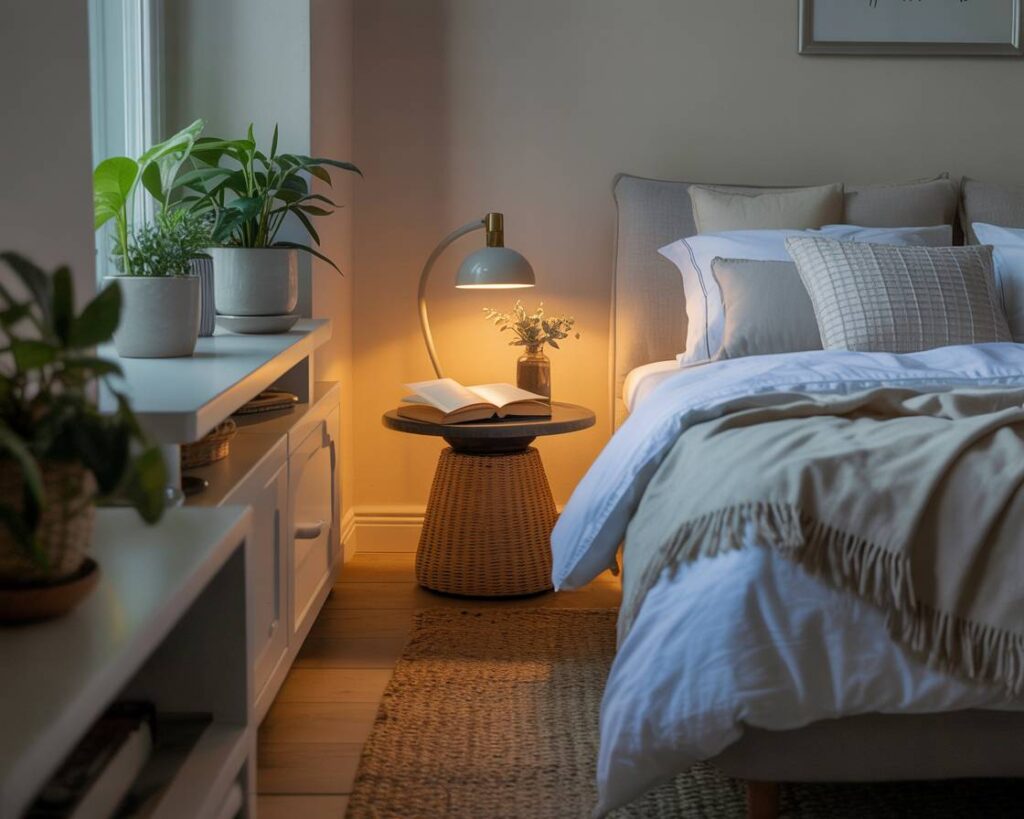
Creating a gentler January might feel radical in a culture obsessed with productivity.
Let it feel radical.
Your body knows what it needs. Warmth. Touch. Nourishment. Rest. Connection to nature. Simple rituals that signal safety.
These aren’t luxuries or indulgences. They’re fundamental requirements for a nervous system that’s been running on stress for too long.
When you prioritise genuine rest and gentle renewal over forced transformation, something shifts. You stop trying to become someone else and start actually living as yourself.
The rituals above aren’t meant to become another to do list. Pick one. Try it for a week. Notice how your body responds.
If it feels good, keep it. If it doesn’t, try something else.
This is what renewal actually looks like: small, repeated moments of choosing ease over effort, warmth over pressure, presence over performance.
Your nervous system will thank you.
Helpful takeaways
- Winter is biologically designed for rest, not resolution pressure
- Gentle rituals activate your parasympathetic nervous system naturally
- Morning warmth (hot lemon water, warm touch) soothes your vagus nerve
- Evening body oiling with plant oils reduces cortisol through gentle touch
- Warm nourishing bowls help digestion whilst calming your system
- Ten minutes outside in natural light resets your circadian rhythm
- Soft movement releases held tension better than forced exercise
- Choose a feeling word instead of goals for a gentler New Year philosophy
Want more calm, vegan rituals that honour your body’s natural rhythms? Explore our collection of gentle skincare routines, nervous system friendly habits, and seasonal self care practices designed for real humans living real lives.
Love,
Patri xx
Resources
- Zareie S, et al. The Effect of Oral Chamomile on Anxiety: A Systematic Review of Controlled Clinical Trials. J Herb Med. 2024;45:100927.
- Srivastava JK, et al. Chamomile: A herbal medicine of the past with bright future. Mol Med Report. 2010;3(6):895-901.
- Chang SM, Chen CH. Effects of chamomile (Matricaria chamomilla L.) on sleep: A systematic review and meta-analysis of randomized controlled trials. Complement Ther Med. 2024;80:103021.
- Sleep Foundation. Does Chamomile Tea Make You Sleep? 2025 Jul 14. Available from: https://www.sleepfoundation.org/sleep-aids/does-chamomile-tea-make-you-sleep.
- Xiao Z, et al. Apigenin: a natural molecule at the intersection of sleep and aging. Front Nutr. 2024;11:1359176.
- Cleveland Clinic. 6 Benefits of Lemon Balm. 2025 Mar 6. Available from: https://health.clevelandclinic.org/lemon-balm-benefits.
- Herbal Reality. Oats | Herbs. 2025 Apr 13. Available from: https://www.herbalreality.com/herb/wild-oats/.
- Marie Claire. How to Avoid A Winter Slump, Now The Clocks Have Gone Back. 2025 Oct 29. Available from: https://www.marieclaire.co.uk/life/health-fitness/how-to-avoid-winter-slump.
- IFLScience. How The Vagus Nerve And A Glass Of Water Can Influence Your Mood. 2023 Jun 27. Available from: https://www.iflscience.com/how-the-vagus-nerve-and-a-glass-of-water-can-influence-your-mood-69551.
- Neurodiverse Counseling. The effects of grounding (earthing) on inflammation, the immune response, and wound healing. 2024 Oct 28. Available from: https://www.neurodiversecounseling.com/counselor-education-resources/2024/10/28/the-effects-of-grounding-earthing-on-inflammatio.
- The Wellbeing Clinic. How Restorative Massages Help Me Reduce Cortisol Fast. 2024 Sep 5. Available from: https://thewellbeingclinic.org/5-ways-my-restorative-massages-help-me-to-reduce-cortisol-in-my-body/.
- eMPR. A Compound in Chamomile May Benefit Brain Cells. Available from: https://www.empr.com/home/news/a-compound-in-chamomile-may-benefit-brain-cells/.
- Mathews IM, et al. Clinical Efficacy and Tolerability of Lemon Balm (Melissa officinalis L.). Nutrients. 2024;16(20):3545.
- Ask Ayurveda. Avena sativa (Oat) – Ayurvedic Uses, Benefits, Nutrition & Dosage. 2025 Oct 15. Available from: https://ask-ayurveda.com/wiki/article/3768-avena-sativa–oat.
- Vail Health. Adjusting to Shorter Winter Days. 2024 Nov 3. Available from: https://www.vailhealth.org/news/adjusting-to-shorter-winter-days.
- Ice Barrel. Non-Invasive Stimulation Of The Vagus Nerve And Its Effects. 2024 Aug 6. Available from: https://icebarrel.com/blogs/educational/non-invasive-stimulation-of-the-vagus-nerve-and-its-effects.
- Ghaly M, Teplitz D. The biologic effects of grounding the human body during sleep as measured by cortisol levels and subjective reporting of sleep, pain, and stress. J Altern Complement Med. 2004;10(5):767-76.
- Arthritis Foundation. Benefits of Massage. 2021 Jan 27. Available from: https://www.arthritis.org/health-wellness/treatment/complementary-therapies/natural-therapies/benefits-of-massage.
