
Signs Your Castor Oil Has Gone Off
Do you think about this again and again every time you look at your castor oil bottle?
Is it off? How do I know? Should I use it? Should I ditch it…? Even though it might still be ok? Etc etc.
Castor oil doesn’t come with a big “best before” date stamped on the front, and most of us keep it tucked away in a cupboard for months (sometimes years) without really thinking about it.
And, yes, castor oil can go rancid. And when it does, you definitely don’t want to be slathering it on your skin or lashes, believe me.
So let me walk you through exactly what to look for and what to do if your bottle’s past its prime and what to do with it.
DISCLAIMER: I link to affiliate links below, if you purchase using my links it won’t cost you any extra and I might earn a commission.
How Long Does Castor Oil Actually Last?
First, a bit of good news: castor oil is pretty stable compared to other plant oils. Thanks to its high ricinoleic acid content, it’s naturally resistant to oxidation.
Cold-pressed, organic castor oil typically lasts 1–2 years when stored properly in a cool (15–20°C), dark place in an airtight, dark glass bottle.
Think: a kitchen cupboard away from the cooker, a linen closet, or a bedroom drawer. Not the bathroom (too humid and temperature changes too much), not next to the kettle, and definitely not on a windowsill.
Some people store theirs in the fridge, which can extend shelf life even further, though the oil will thicken considerably and you’ll need to warm it slightly before use.
That said, once you open the bottle, the clock starts ticking a bit faster. Exposure to oxygen speeds up degradation, so you’re looking at closer to 6–12 months after opening for best quality.
But don’t just go by the calendar. Your senses are your best guide.
Quick Reference: Castor Oil Shelf Life
| Storage Condition | Expected Shelf Life |
|---|---|
| Unopened, stored properly | 1–2 years |
| Opened, stored properly | 6–12 months |
| Stored in heat/sunlight | 3–6 months (or less) |
| Contaminated (water, bacteria) | Use immediately or discard |
5 Clear Signs Your Castor Oil Has Gone Bad
1. It Smells… Off
Fresh castor oil has a mild, slightly nutty or earthy scent, nothing overpowering.
If yours smells sour, rancid, or like old crayons? That’s a red flag.
Rancidity happens when the fatty acids in the oil break down and oxidise. It’s not harmful in small amounts, but it’s also not doing your skin any favours. Rancid oils can irritate sensitive skin and won’t deliver the nourishing benefits you’re after.
What to do:
Give it a sniff before each use. If it smells funky, toss it.
2. The Colour Has Changed
Good castor oil is usually pale yellow to clear, depending on the processing method.
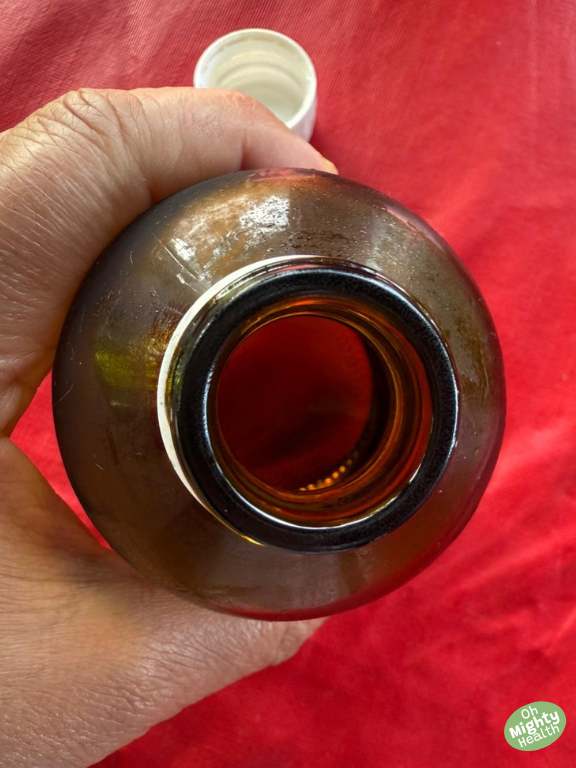
If your oil has darkened significantly, especially if it’s gone amber or brown, that’s another sign it’s deteriorating.
Colour change often goes hand-in-hand with oxidation. It means the oil’s chemical structure is breaking down.
3. The Texture Feels Different
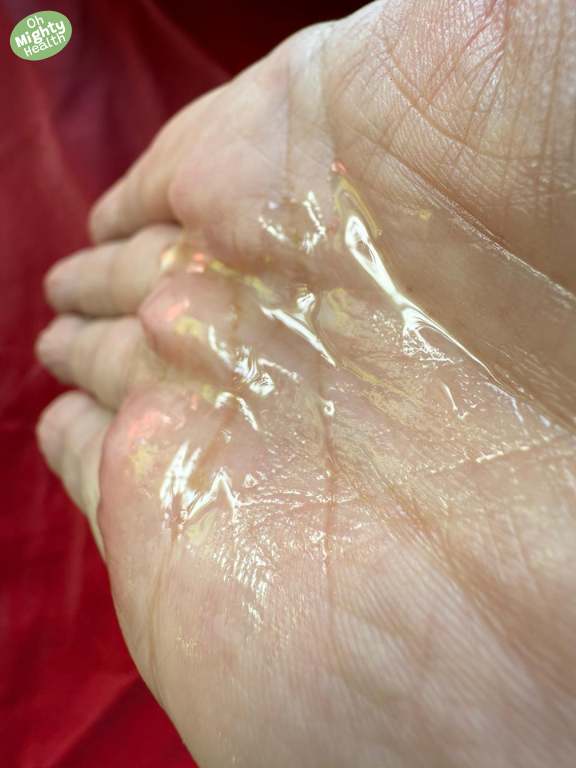
Castor oil is famously thick and sticky. That’s just how it is.
But if it’s become clumpy, separated, or developed a filmy layer on top, something’s gone wrong.
This can happen if the oil’s been contaminated (say, by water or bacteria getting into the bottle) or if it’s been exposed to extreme temperatures.
Pro tip:
Always use a clean applicator or pour it out rather than dipping fingers directly into the bottle. This keeps bacteria at bay and extends shelf life.
4. It’s Been Stored in Direct Sunlight or Heat
Even if your castor oil looks and smells fine, where you’ve been keeping it matters.
Heat and light speed up oxidation like nobody’s business. If your bottle’s been sitting on a sunny windowsill or next to the radiator, I’d be cautious, even if it still seems okay.
Best storage:
Keep it in a cool, dark cupboard. A dark glass bottle helps too, as it blocks UV light.
5. You’ve Had It for Years
Look, I’m not here to shame anyone for holding onto a bottle for years and years. We’ve all done it.
But if you genuinely can’t remember when you bought it, or if it’s been open for more than a couple of years, it’s probably time to let it go.
Think of it this way: fresh oil = better results. You wouldn’t use expired face cream, right? Same logic.
Fresh vs Rancid: What to Look For
| Fresh Castor Oil | Rancid Castor Oil |
|---|---|
| Mild, nutty, earthy scent | Sour, crayon-like, or off smell |
| Pale yellow to clear | Darkened, amber, or brown |
| Thick but smooth | Clumpy, separated, or filmy |
| Stored in cool, dark place | Exposed to heat or sunlight |
| Used within 1–2 years | Older than 2 years |
Where to Buy Quality Castor Oil – MY RECOMMENDATIONS!
If you’re starting fresh or want to stock up on castor oil you can trust, here are the brands I personally recommend:
Infina Essentials Organic Castor Oil – Cold-pressed, hexane-free, and comes in a glass bottle to protect freshness. This is perfect for hair, skin, and lash use.
Shop Infina Essentials Castor Oil
Pure Jamaican Black Castor Oil – If you want the traditional Jamaican version (which is darker and has a distinctive roasted scent), this is a brilliant option. Cold-pressed and comes in a glass bottle too. Perfect if you’re using it for hair growth, strengthening weak or thinning edges, or deep conditioning dry, damaged hair.
Shop Pure Jamaican Black Castor Oil
Both are organic, cold-pressed, and packaged properly to maintain quality. Pick whichever suits your needs best.
What Happens If You Use Rancid Castor Oil?
Honestly? It’s unlikely to cause serious harm.
But it can:
- Irritate your skin or scalp
- Clog pores (especially if applied to your face)
- Smell unpleasant
- Offer zero nourishing benefits
If you’re using it for something like lash growth or deep conditioning, rancid oil just won’t work as well. You’re wasting your time.
How to Make Your Castor Oil Last Longer
Here’s how I keep mine fresh:
Storage Checklist:
✔ Use a dark glass bottle (amber or cobalt blue is ideal)
✔ Keep it in a cool, dark cupboard (not the bathroom, where humidity fluctuates)
✔ Always close the lid tightly after use
✔ Use a clean dropper or pour it out (never dip your fingers in)
✔ Buy smaller bottles if you don’t use it often (better to finish a small bottle than let a big one go rancid)
Storage Do’s and Don’ts
| Do | Don’t |
|---|---|
| Store in a dark glass bottle | Leave in clear plastic containers |
| Keep in a cool, dark cupboard | Store on a sunny windowsill |
| Close the lid tightly after each use | Leave the cap off |
| Use a clean dropper or pour | Dip fingers directly into the bottle |
| Buy small bottles if you use it rarely | Buy huge bottles “for value” |
| Label with opening date | Forget when you opened it |
When in Doubt, Start Fresh
If you’re not sure whether your castor oil is still good, here’s my advice: trust your gut.
A fresh bottle isn’t expensive, especially compared to the risk of irritating your skin or wasting time on an oil that’s lost its potency.
And if you’re using castor oil for something important to you, like growing your lashes or soothing dry skin, you deserve the real deal, not a degraded version.
Final Thoughts
Castor oil is brilliant stuff when it’s fresh. But like any natural product, it has a shelf life.
Keep an eye (and nose) on it. Store it properly. And don’t be afraid to start over if something seems off.
Your skin and your lashes will thank you.
Resources & Further Reading
For more information on oil stability, oxidation, and proper storage:
Scientific Studies:
- Ogunniyi, D.S. (2006). Castor oil: A vital industrial raw material. Bioresource Technology, 97(9), 1086-1091.
- Scholfield, C.R. (1981). Composition of soybean lecithin. Journal of the American Oil Chemists’ Society, 58(10), 889-892. (on oil oxidation and stability)
- Choe, E., & Min, D.B. (2006). Mechanisms and factors for edible oil oxidation. Comprehensive Reviews in Food Science and Food Safety, 5(4), 169-186.
Authoritative Resources:
- American Oil Chemists’ Society (AOCS): Information on oil quality, rancidity, and testing methods
- International Journal of Cosmetic Science: Research on cosmetic oil stability and shelf life
- Cosmetic Ingredient Review (CIR): Safety assessments of castor oil and derivatives in cosmetic products
