

I Found Something Better Than Castor Oil for Skin That Works
You bought the castor oil. Everyone on Pinterest swore by it. You patted it on, waited for the glow, and got… a clogged pore. Or nothing at all. Or a face that felt like it needed a proper wash an hour later.
I get it. And as a certified organic skincare formulator, I can tell you exactly why that happened, because I’ve looked at this ingredient from the chemistry side more times than I can count.
You’d never guess it from the packaging, but the reason castor oil disappoints so many people has nothing to do with quality or how “pure” your bottle is. It’s simply the wrong tool for the job you gave it.
I’m not going to tell you I’ve personally road-tested every oil in this post. I haven’t.
What I do know, as a formulator and health coach, is the science behind why some of these will genuinely outperform castor oil for certain concerns, and why others won’t.

This post contains affiliate links. If you buy through them, I get a small commission at no extra cost to you. I only link products I’d genuinely use myself.
Here’s the one fact that explains everything
I promise this is the only bit of chemistry I’ll ask you to sit through, but it genuinely explains the whole problem.
Castor oil is almost entirely made of one single fatty acid: ricinoleic acid (exact percentage, thought to be around 90%). Most oils are a mix of several fatty acids. Castor oil basically isn’t.
As a formulator, this is the first thing I check on any ingredient’s data sheet, and it’s rare to see one fatty acid dominate a profile this much.
That one fact is why:
- It’s thick enough to coat your lashes and stay put
- It barely absorbs, so it sits on your skin for hours
- It’s brilliant for one cracked, dry patch, and often too much for your whole face
- On breakout-prone skin, it can sit in your pores rather than sinking past them
Nobody explains it to you like that when they’re selling it as a miracle oil. So you use it like a serum, and it behaves like an occlusive balm, because that’s what it is.
If you want the full ingredient breakdown, I’ve gone deeper in castor oil: what’s inside and how it works for your skin and hair.
The oils that actually beat it, by concern
There isn’t one universal “better than castor oil” oil, and honestly, I think that’s the bit most articles get wrong.
They hand you a list of “best oils” with no explanation of why, and you’re back to guessing.
There are oils that are better matched to specific problems, because their fatty acids do a genuinely different job. This is the shortlist I’d actually stand behind.
Breakouts or clogged pores → jojoba oil
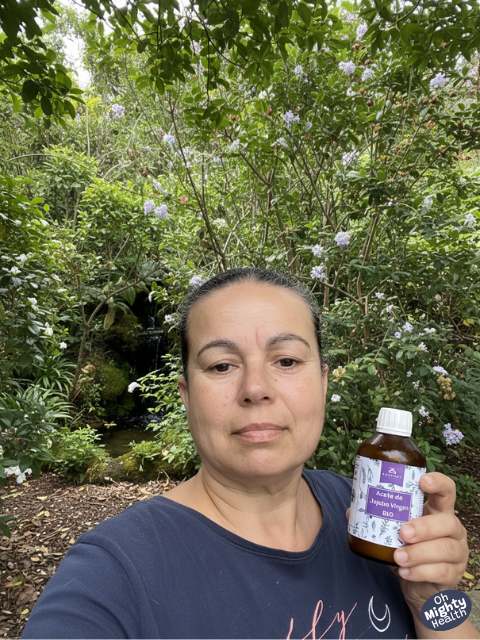
The fact that matters: jojoba oil isn’t technically an oil at all, and this is the one I bring up most often with clients who are convinced “oils cause breakouts.”
It’s a liquid wax, and its structure is almost identical to the sebum your own skin produces.
- Your skin often mistakes it for its own oil and absorbs it fast
- It tends to balance oil production rather than add another layer
- Combination and acne-prone skin usually notice a difference within two weeks
>>> You Can Get jojoba oil here.
Fine lines or mature skin → rosehip oil
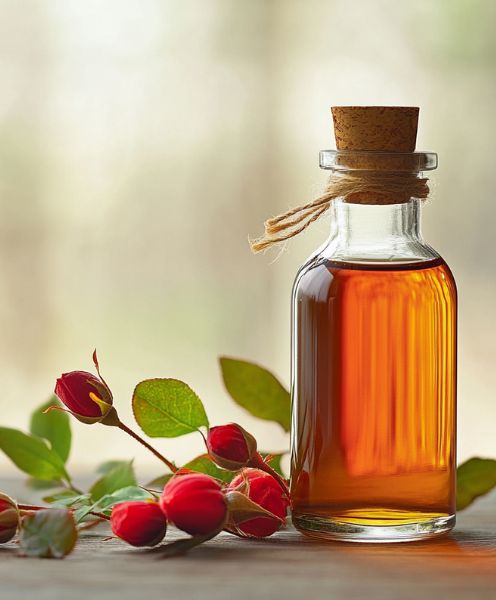
The fact that matters: rosehip oil is naturally rich in linoleic acid and trans-retinoic acid, a gentler cousin of the retinoids in anti-ageing creams.
This is genuinely one of my favourite bits of skin chemistry to explain, because most people assume “natural” and “effective” don’t go together here. They do.
- It supports skin renewal slowly, without the irritation retinol can cause
- It absorbs fully, so it won’t sit in fine lines and make them more visible (something a thick oil like castor actually can do)
- More detail on how it stacks up in 3 natural oils for mature skin
>>> You Can Get rosehip oil here.
Dull or dry skin, without the greasy film → marula oil

The fact that matters: marula oil is very high in oleic acid and carries a strong dose of natural antioxidants, but absorbs in seconds rather than sitting on the surface.
As a coach, this is the one I’d point clients towards if they’ve given up on facial oils entirely because every one they’ve tried felt heavy. It’s the exception.
- No twenty-minute wait for it to sink in
- Leaves a soft, plumped finish rather than a shine
- A good swap if castor oil left your skin looking greasy by mid-morning
>>> You Can Get marula oil here.
Sensitive or reactive skin that still needs barrier support → squalane oil
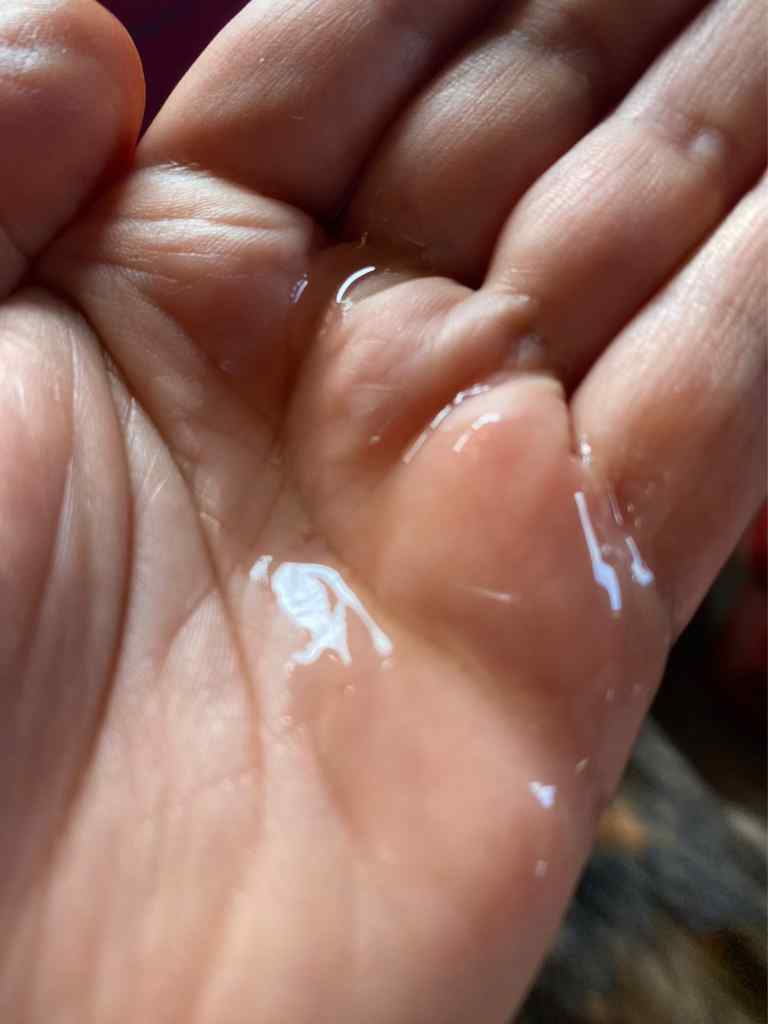
The fact that matters: squalane closely mirrors a compound your own skin already produces, so it’s rarely the trigger for irritation the way heavier oils can be.
If you’ve got reactive skin and have been told to just “avoid oils altogether,” I’d genuinely push back on that advice. This is usually the one worth trying first.
- Supports the skin barrier the way an occlusive like castor oil aims to, minus the heaviness
- Well tolerated even on reactive or easily-irritated skin
- A smart pick if you want the “protective layer” benefit without the risk of clogging
>>> You Can Get squalane oil here.
Where castor oil still genuinely wins
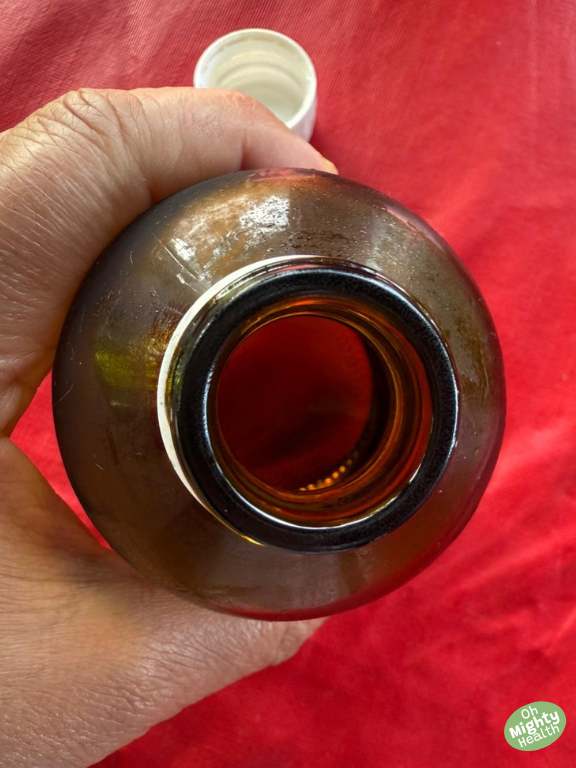
I’m not writing castor oil off completely, and I’d be a pretty poor formulator if I did.
For lashes, brows, and small, very dry patches (think cracked heels or elbows), its thickness is an advantage, not a flaw.
If that’s what you’re using it for, keep going.
The evidence specifically for lash growth is still thin, so keep your expectations realistic there too.
The swap only matters when it’s your everyday face oil and it isn’t giving you what you hoped for.
How to actually tell if your new oil is working
Skip the mirror-staring on day one. Watch for this instead:
- Skin feels comfortable within about ten minutes, not tight, not greasy
- By lunchtime, you’re not blotting oil or reaching for more moisturiser
- No new bumps appear in the first week
- Texture changes tend to show in two to four weeks, hydration often shows sooner
If none of that’s happening after three weeks, try a different oil from the list rather than deciding oils “just don’t work” for you.
Your one-week test
Pick the oil that matches what you’re actually trying to fix. Patch test on your inner arm first. Then use it nightly on clean, slightly damp skin for one week, and check in on day seven, not day one.
No routine overhaul. No ten new products. Just the right oil, matched properly, given a fair week to prove itself.
As a health coach, this is the kind of small, specific swap I trust far more than any full routine overhaul, because it’s the one people actually stick with.
This post is for general information and isn’t a substitute for advice from a dermatologist or qualified skin health professional, especially if you have a diagnosed skin condition or are prone to allergic reactions.
Love, Patri xx
