
Bisabolol Can Now We Made in Labs So… Is Nature Paying for Our Skincare??
I’ve been thinking a lot about what “natural” means lately, again.
Not an easy one. It actually haunts me.
“Natural” is one of those words we’ve come to trust. It sounds good and gentle, earthy, honest… it sounds like something you can feel good about using.
I definitely thought that when I started switching away from conventional beauty products (little did I know then).
Yes, natural felt like a safer choice, a more conscious one. Something you could count on….
But the more I learn, the more complicated it gets.
I came across something recently that really made me pause. Check it here: https://www.sciencefocus.com/planet-earth/natural-beauty-products-environment
It was about an ingredient called bisabolol which is used in loads of skincare products for its calming, anti-inflammatory effects (I use it in my aloe vera serum and hand cream).
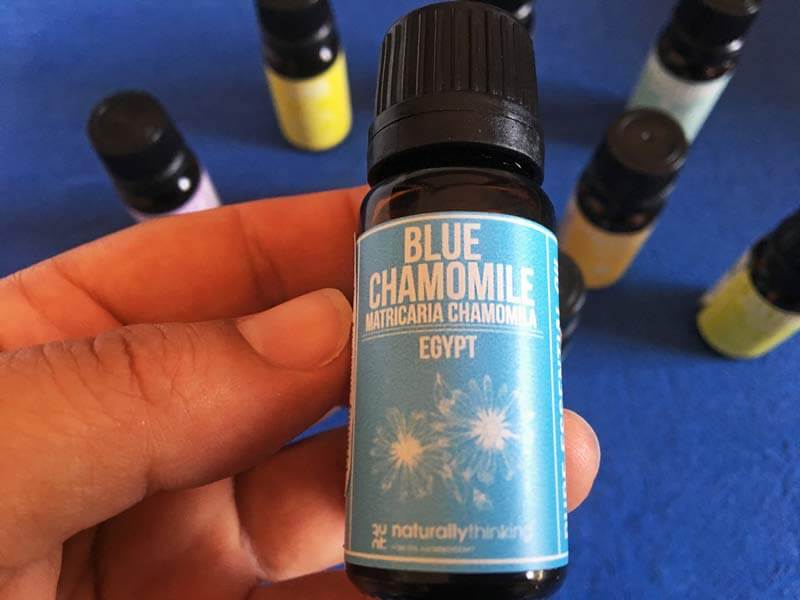
It comes from a tree called candeia, mostly found in Brazil. And because there’s such high demand for it in the beauty industry, those trees are now being overharvested. OUCH.
It’s contributing to deforestation, disrupting ecosystems, wiping out habitats just so we can extract this one plant compound to put in creams and lotions.
How many more ingredients are costing the planet something similar to this??
It made me feel a bit sick, honestly. Because this is exactly the kind of thing many of us are trying to move away from.
We ditch synthetic stuff thinking we’re making kinder choices, and then we find out the “natural” alternative is also taking something precious from the planet….
ARGH!!!
All for what exactly? For a tiny drop of something that got shipped halfway across the world and stuck in a product we placed at the back of the shelf (that really angers me, people buying cosmetics and never really using them).
That’s where I start to question the whole “natural is best” mindset. Because for me, what’s natural has to include how it was grown. How it was harvested. How far it travelled. Who it affected. What it took away.
I’ve always believed in using what grows around you. That’s something I come back to again and again. Local plants. Seasonal herbs. Simple oils.
Things the land you live on actually supports. Not rare flowers flown in from the other side of the world or some bark peeled from a tree that’s already struggling to survive.
And maybe here’s the surprising bit. That same bisabolol compound that’s extracted from candeia trees is not being made in a lab. Identical in structure. Chemically the same. But made through fermentation using ninety to ninety-five percent less water (check the article above). Fifty to sixty percent less energy. No trees cut down. No trucks carting ingredients across continents. Just a tiny microbe doing the work in a controlled environment…
That might sound “unnatural” to some, but what if it’s actually better? What if science can sometimes help us do what we’ve been trying to do all along live more lightly on the land?
I’m not saying we all need to switch to lab-made everything. I still believe in making things myself. In keeping it minimal. In paying attention to what goes on my skin. I still believe most of the time we need fewer ingredients, not more. 2 ingredients (aloe vera and an oil) can probably do the job that many products try to do with all that water and lab chemicals.
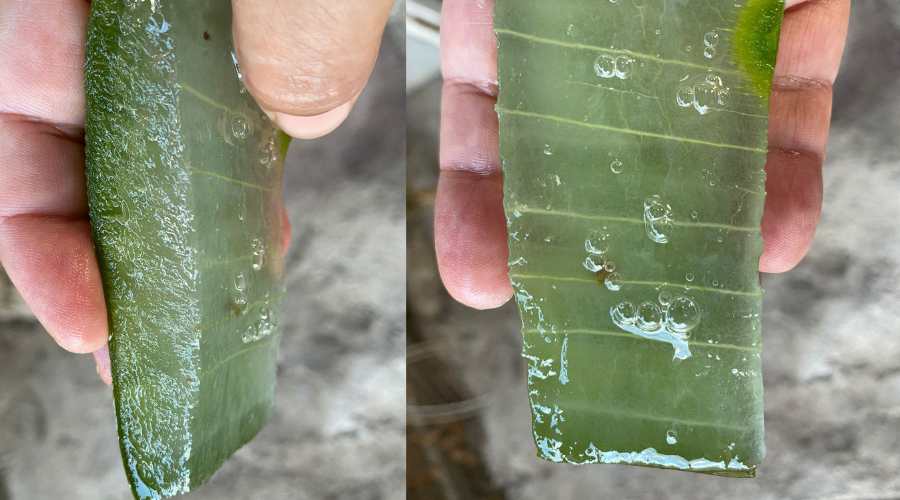
I grow my aloe vera plants and make my own gel, so not sure that’s a fair choice, but, the idea is to use what’s growing around you and if you can make it yourself, the better.
But I also believe in nuance. In slowing down enough to look beyond the label. Because not everything that comes from a plant is good. And not everything made in a lab is bad, perhaps.
Sometimes the more sustainable option isn’t what we think it is. Sometimes “natural” is just a marketing word. I don’t know. This got me thinking big time.
Shall we stop using bisabolol all together? Shall we just go for the lab option?
I’ll always love herbs and oils and messy kitchen experiments. But I want those things to be sustainable, not just trendy. I want my love for nature to mean protecting it, not just putting bits of it in jars.
So I’m still learning. Still changing. Still asking questions.
And I hope we all keep doing that. Not just picking the option that looks the most “pure” on the surface, but digging deeper. What is this ingredient? Where does it come from? How many hands did it pass through? How many resources did it need? And what’s the actual impact of putting it on my face every day?
I want to make choices that feel right in my body, but also right in the bigger picture.
Natural doesn’t mean much unless it’s kind.
With love,
Patri xx
