

Flax Seed oil for skin and health: the quiet oil that does a lot more than you think
You might have walked right past it on a shelf without giving it a second glance. Or maybe you’ve heard of it in passing but filed it under ‘not sure what that actually is.’
That’s completely fair, flax seed oil has a bit of an image problem.
It doesn’t have the glossy reputation of rosehip oil or the cult following of argan. It sounds industrial. It’s associated with wood polish and artists’ studios more than skincare. And yet, as a certified organic formulator, I keep coming back to this oil because the science behind it is genuinely impressive.
So let’s set the record straight. Whether you’ve never heard of it, you’ve seen it mentioned somewhere but weren’t sure if it was the same as flaxseed oil, or you already use it and want to know if you’re getting the most out of it, this article is for you.
DISCLAIMER: This article contains affiliate links. If you purchase products through these links I may make a small commission, at no extra cost to you.
First: linseed oil and flaxseed oil are the same thing
Yes, really. Same plant (Linum usitatissimum), same oil, two different names.
The name ‘flaxseed oil’ tends to be used in food and nutrition contexts. ‘Linseed oil’ shows up more in industrial or traditional uses, think wood finishes, oil painting, and leather conditioning. But when we’re talking about cold-pressed, unrefined oil for skin or internal use, they are interchangeable.
The confusion is real and worth clearing up straight away, because if you’ve been eating ground flaxseeds or taking flaxseed oil capsules, you already know this oil. And if you’ve been using it in your skincare, you may have bought it under either name. For a full picture of the flaxseed plant and all it offers, my flaxseed overview covers everything.
One important note: the linseed oil sold in hardware stores or art supply shops is NOT the same product. That oil is often treated, heat-processed, or contains added driers that are completely unsuitable for skin or food. Always buy cold-pressed, food-grade or cosmetic-grade linseed/flaxseed oil.
Where does it come from?
Flax (Linum usitatissimum) is one of the oldest cultivated plants in human history. It’s been used for at least 30,000 years, the fibres to make linen cloth, the seeds for food, and the oil for everything from skin care to lamp fuel.
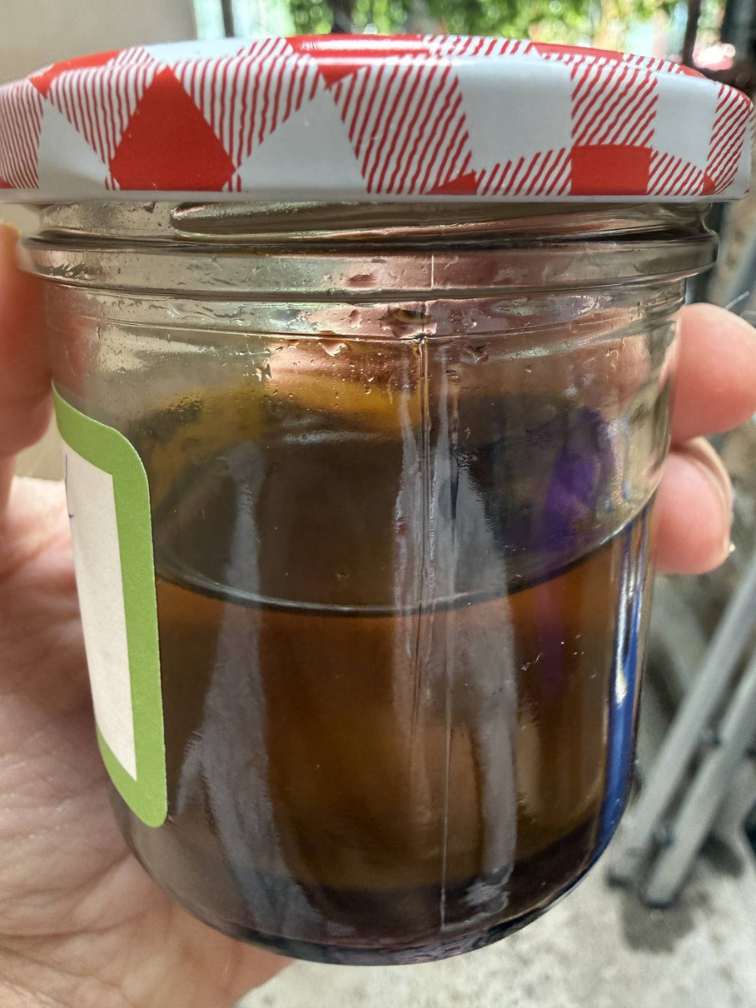
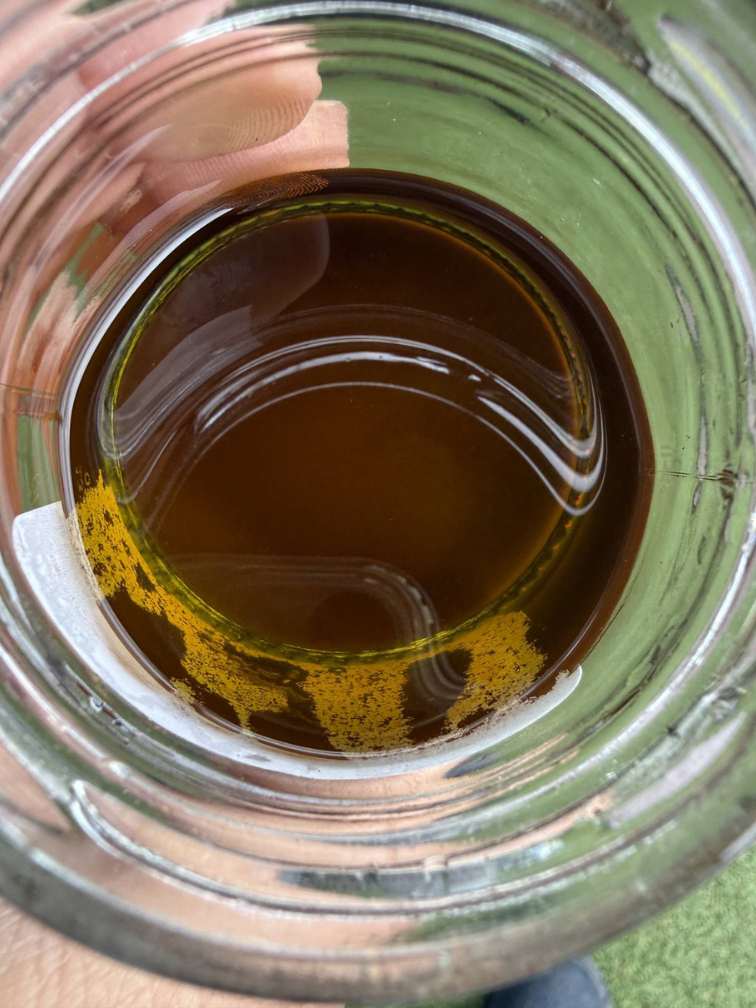
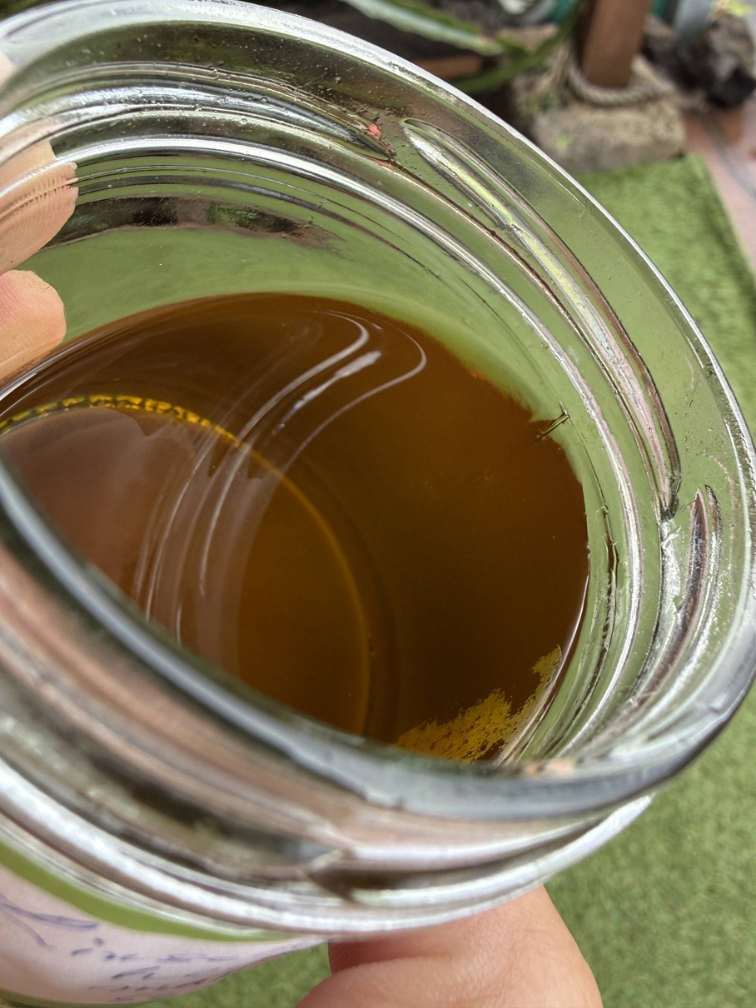
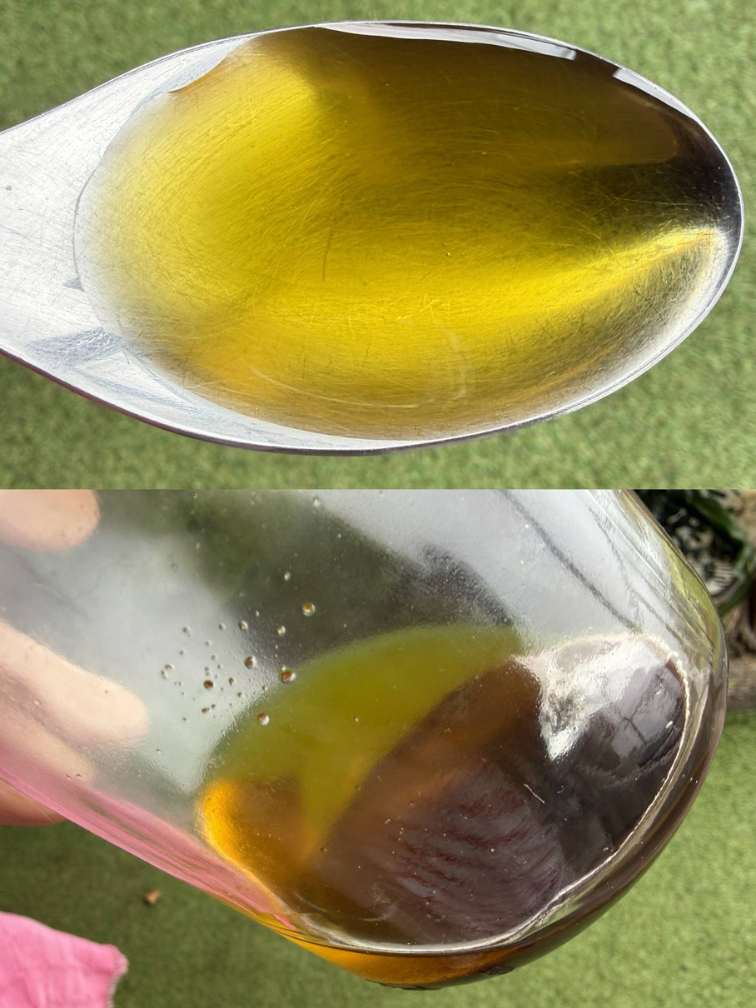
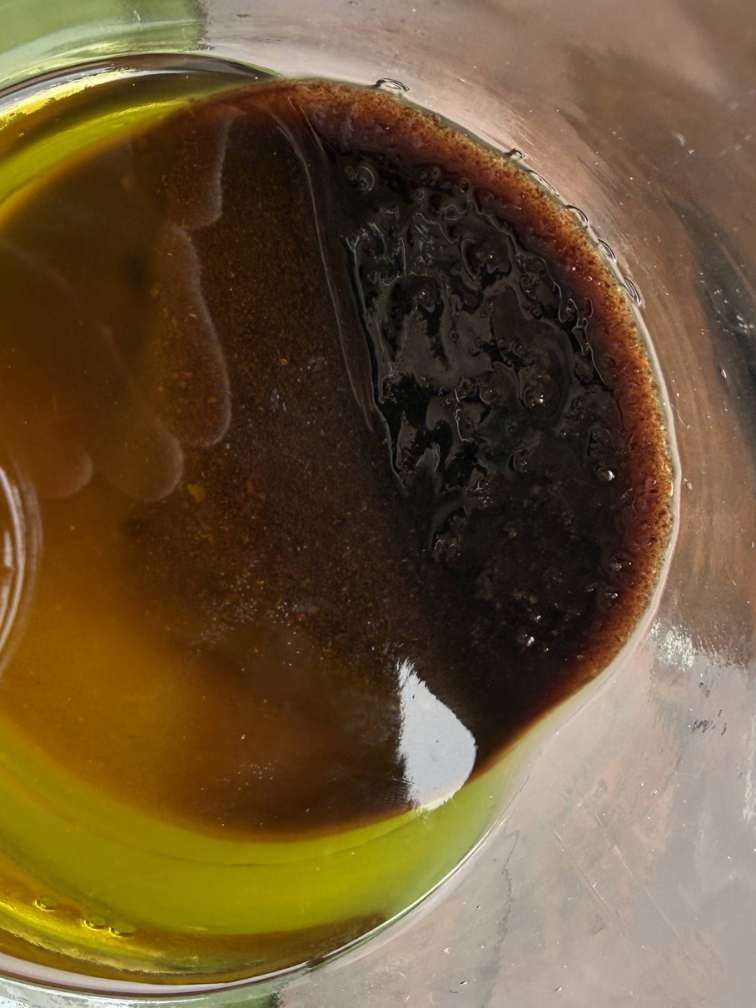
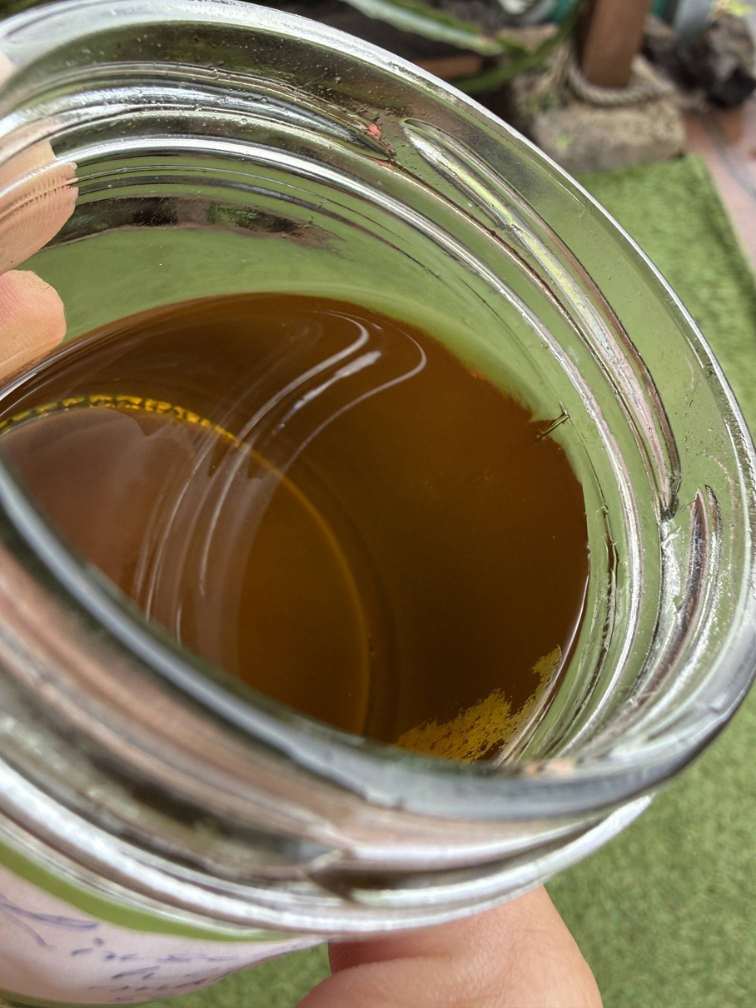
The oil is cold-pressed from the seeds of the plant. Cold-pressing is important here because heat destroys the very fatty acids that make this oil useful. A good-quality flax seed oil should be golden in colour, slightly nutty in scent, and stored in a dark bottle away from heat.
It’s completely plant-based and vegan, with no animal-derived ingredients. If that matters to you, and I know for many of us it does, you’re fine.
What makes flax seed oil so special? The fatty acid story
Here’s where things get interesting.
Flax seed oil has one of the highest concentrations of omega-3 fatty acids of any plant oil. Specifically, it’s rich in alpha-linolenic acid (ALA), the plant-based omega-3, typically making up around 52–55% of its fatty acid profile, according to fatty acid composition data cited on Wikipedia’s linseed oil entry (sourced from the Journal of the American Oil Chemists’ Society). Very few plant oils come close to that.
To put that in perspective: most common carrier oils (think jojoba, argan, sweet almond) are primarily composed of oleic acid (omega-9) and linoleic acid (omega-6). Very few plant oils come close to flax seed’s omega-3 content.
Why does this matter for skin?
Your skin cell membranes are made of fatty acids. When those membranes contain a healthy balance of omega-3s, they stay flexible, permeable, and able to regulate moisture properly. When you’re low on omega-3s, cell membranes become more rigid and less efficient at holding water in or keeping irritants out.

In other words: the right fatty acids, applied topically and eaten regularly, can change how your skin actually functions at a cellular level. That’s not marketing language — that’s membrane biology.
Flax seed oil also contains:
- Omega-6 (linoleic acid): typically around 12–17%, which supports the skin barrier and helps regulate the body’s inflammatory response — via its role in prostaglandin synthesis, as noted in Goyal et al., Journal of Food Science and Technology, 2014
- Omega-9 (oleic acid): a smaller proportion, which helps with skin penetration and softness
- Vitamin E (tocopherols): a natural antioxidant that protects against free radical damage
- Lignans: plant compounds with mild antioxidant and phytoestrogenic properties — more on this in the internal use section
Flaxseed oil for skin: what it actually does
Let me walk you through what this oil can genuinely do for your skin, based on both its composition and existing research.
1. It supports the skin barrier
Your skin barrier is everything. It’s what keeps moisture in and the outside world where it belongs. When it’s compromised, through over-cleansing, harsh products, weather, or age, your skin becomes dry, reactive, and more prone to inflammation.
The omega-3 and omega-6 fatty acids in flax seed oil help to reinforce the lipid layer of the skin barrier. Think of it like re-grouting tiles that have started to crack.
If barrier health is something you’re focusing on, this fits well alongside a simple natural face routine that doesn’t overwhelm the skin with too many actives.
2. It’s deeply anti-inflammatory
ALA (the omega-3 in flax seed oil) is converted in the body to longer-chain omega-3s that actively reduce inflammation. When applied to skin, this translates to calming redness, soothing irritated or sensitive skin, and reducing the kind of low-grade inflammation that accelerates ageing.
If you have eczema-prone, rosacea-prone, or generally reactive skin, oils with a high ALA content are worth paying attention to. A 2026 randomised, double-blind, placebo-controlled study published in Scientific Reports found that daily intake of ALA-rich flax seed oil significantly increased skin hydration, reduced skin itchiness scores, decreased facial redness in allergy-prone participants, and downregulated inflammation-related genes in skin surface lipids. Worth knowing: the study looked at internal use, not topical application — but given that ALA is absorbed whether you eat it or apply it, the anti-inflammatory mechanism applies in both directions.
3. It hydrates without clogging pores
The comedogenic rating of flax seed oil is actually a point of debate. Some sources list it as low (1–2 out of 5), while others, including the carrier oil comedogenicity index at eOil, rate it at 4, suggesting a moderate to high probability of clogging pores for some skin types.
What this means practically: flax seed oil is best suited to dry, mature, or very dehydrated skin where pore-clogging is less of a concern. If you have oily, combination, or acne-prone skin, I’d approach this one with caution — patch test carefully, use it sparingly, and consider blending it with a lower-rated oil like jojoba (rated 2) or grapeseed (rated 1) rather than applying it neat.
You can check the oils and butters comedogenic rating list for a fuller picture of how different oils compare.
4. It may help with premature ageing
Oxidative stress and chronic inflammation are two of the main drivers of visible skin ageing. flax seed oil addresses both — the antioxidants help neutralise free radicals, while the anti-inflammatory fatty acids calm the slow-burn inflammation that breaks down collagen over time.
This doesn’t mean it’s a magic anti-ageing oil. No single oil is. But used consistently as part of a basic skin care routine, it contributes meaningfully.
5. It’s great for dry and winter skin
flax seed oil is particularly well-suited to dry, flaky, and dehydrated skin — the kind that appears in autumn and winter when cold air and central heating strip moisture from the skin.
If you struggle with seasonal dryness, consider adding a few drops into your moisturiser or using it as a facial oil in your winter skincare routine.
The big caveat: flax seed oil goes rancid quickly
I’m going to be straight with you here because this matters.
The very thing that makes flax seed oil so beneficial, its extremely high polyunsaturated fatty acid content — also makes it highly unstable. It oxidises fast. Rancid oil on skin doesn’t just smell unpleasant; oxidised oils can actually promote free radical damage rather than prevent it, which is the opposite of what you want.
Here’s how to keep it fresh:
- Always buy cold-pressed, unrefined linseed or flaxseed oil in a dark glass bottle
- Store it in the fridge. This is non-negotiable
- Use it within 6–8 weeks of opening FACTCHECK
- Never heat it
- If it smells fishy, sharp, or ‘off’ in any way, it has gone rancid, so please let it go
This short shelf life is why flax seed oil doesn’t appear in many commercial formulations, it’s a challenge to stabilise. But for home use and DIY skincare, as long as you store it properly, it’s absolutely fine.
How to use flax seed oil on your skin
1. As a facial oil
Use 2–4 drops warmed between your palms and press gently into clean, slightly damp skin. Damp skin helps the oil absorb more effectively. You can use it alone or blend it with a more stable oil like jojoba or rosehip to extend its shelf life in the blend.
A simple blend I like: 50% flax seed oil, 30% jojoba, 20% rosehip. Apply 3–4 drops at night.
2. In a DIY serum or body oil
Because of its anti-inflammatory properties, flax seed oil works well in body oils for dry or sensitive skin, or in facial serums where you want to focus on barrier repair. Keep the formulation in a dark dropper bottle (like this one) and store in the fridge between uses.
3. As a lip treatment
A tiny amount of flax seed oil on dry lips overnight works really well. It’s non-irritating, deeply conditioning, and the omega-3 content helps keep the delicate lip skin supple.
4. Mixed into your moisturiser
If you’d rather not use it as a standalone oil, add 3–5 drops to your regular moisturiser in your palm before applying. It blends easily and won’t change the texture dramatically.
Flax seed oil for hair
flax seed oil is genuinely lovely for hair, particularly for dry, brittle, or frizzy hair types.
The omega-3s help strengthen the hair shaft and improve elasticity, meaning less breakage. The anti-inflammatory fatty acids can also soothe a dry, flaky scalp. And the lightweight texture means it doesn’t weigh hair down the way heavier oils can.
Use a small amount (start with half a teaspoon for mid-lengths and ends) as a pre-wash treatment, leave for 30 minutes, then shampoo out. Or use a single drop smoothed over dry hair for frizz control.
If you’re working on hair growth and overall hair health, take a look at these natural hair growth tips alongside any oil treatment.
Flax seed oil taken internally: the health benefits
This is where flax seed oil has the most research behind it. Taking it internally adds a whole layer of benefits that topical use simply can’t replicate.
1. Heart health
The cardiovascular evidence for flaxseed is genuinely strong, though it’s worth being precise here, because most of the LDL-lowering effects seen in clinical trials come from whole or milled flaxseed, where the fibre and lignans do much of the heavy lifting. Research on flaxseed and cardiovascular health consistently shows reductions in total and LDL cholesterol with whole flaxseed supplementation, while flaxseed oil alone tends to show neutral or more modest effects on lipid profiles.
Where the oil does pull its weight is in two areas: blood pressure and inflammation. ALA has demonstrated antihypertensive effects, and higher doses have been shown to reduce inflammatory markers including C-reactive protein and certain cytokines. So if you’re taking flax seed oil internally, the more realistic expectation is anti-inflammatory support and vascular health, which is still meaningful, rather than a significant cholesterol fix.
2. Reducing inflammation throughout the body
Chronic low-grade inflammation is at the root of many modern health conditions. ALA is converted in the body (in limited amounts) to EPA and DHA, the longer-chain omega-3s more commonly associated with fish oil. The conversion rate is modest, so flax seed oil is not a direct replacement for marine omega-3s, but it still contributes to the body’s anti-inflammatory pathways. FACTCHECK
3. Hormonal balance for women
This one is particularly relevant for the women I write for. Flaxseeds and flaxseed oil contain lignans, which are phytoestrogens, plant compounds that can gently modulate oestrogen activity in the body.
This can be particularly relevant during perimenopause and menopause, when falling oestrogen levels can bring on hot flushes, dry skin, vaginal dryness, and mood shifts. The lignans in flaxseed behave as phytoestrogens — compounds that mimic oestrogen weakly in the body — and there’s growing evidence that they may help ease some of these symptoms. A 2024 randomised, placebo-controlled trial published in *Cureus* followed 123 perimenopausal women who took 10g of flaxseed powder daily for three months. The intervention group saw roughly 47-54% reductions in overall menopausal symptom scores — covering vasomotor symptoms like hot flushes, urogenital symptoms, and psychological wellbeing — compared to minimal change in the placebo group. Lignan metabolites in the bloodstream also rose significantly, supporting the phytoestrogen pathway as the likely mechanism (Shrivastava et al., *Cureus*, 2024). It’s worth being clear that this research used **whole flaxseed powder**, not the oil — so the lignans, rather than ALA, are the active players here. The study was also single-blind and conducted at a single centre, so larger trials are still needed. That said, the findings are genuinely promising, and the overall picture from the literature is consistent: regular flaxseed consumption may offer a gentle, natural way to support the body through hormonal transition. (Source).
I’ve written about this in depth in flaxseeds benefits for women, it’s one of those lovely areas where internal nutrition and skin health genuinely overlap, and it’s worth a read if hormonal balance is something you’re actively thinking about.
(If you’re going through perimenopause or menopause, this article on herbs for menopause is worth a read alongside this one by the way).
4. Gut and digestive health
Flax seed oil has mild lubricating properties that can support regular digestion. It’s gentler than whole ground flaxseeds for this purpose, but still contributes to a healthy gut environment. If you’re interested in the fuller picture of what flaxseeds can do for digestion, check out the article on flaxseed and digestion.
5. Skin from the inside
As I mention again and again on this site: what you eat shows up on your skin. Omega-3 fatty acids taken internally directly influence the health of skin cell membranes, the function of the skin barrier, and the body’s inflammatory response — all of which affect how your skin looks and feels.
Taking a tablespoon of flax seed oil daily (or using it on your food — more on this below) is a simple way to feed your skin from within. If you prefer working with the whole seeds rather than the oil, here’s how to grind flaxseeds at home — it takes seconds and makes a real difference to how well your body absorbs the nutrients. And for the full nutritional picture, read The Mighty Flaxseed & its Benefits.
How to use flax seed oil internally
A few simple ways to incorporate it:
- Add a tablespoon to your morning smoothie
- Drizzle over salads as part of a dressing (with lemon juice and a little mustard — delicious)
- Stir into porridge or yoghurt after cooking, never cook with it, as heat destroys the fatty acids
- Take it straight: some people do a daily spoonful; it has a nutty, slightly grassy flavour
- Take it in capsule form if you’d rather not deal with the taste or short shelf life (yes, this is a practical option).
The general recommended dose for internal use is 1–2 tablespoons per day for adults (source), though as always, check with your GP or healthcare provider if you’re on any medications, flax seed oil can interact with blood thinners, check it here.
If you’d rather incorporate the whole seeds into your meals instead of (or alongside) the oil, I have a whole article with 21 ways to eat flaxseeds — there are some really easy ideas in there that make it feel less like a supplement and more like a normal part of eating.
Who should be cautious?
Flax seed oil is generally very safe, but a few things to keep in mind:
- Pregnancy: the research is limited; some sources advise caution in pregnancy due to the phytoestrogenic lignans. Speak to your midwife or doctor first.
- Blood thinners: ALA has mild blood-thinning properties; if you’re on anticoagulant medication, check with your doctor before supplementing internally (check it here).
- Acne-prone or very oily skin: while the comedogenic rating is low, high-linolenic oils can be slightly comedogenic for some skin types. Patch test first and monitor your skin.
- Nut or seed allergies: rare, but if you have seed allergies, patch test carefully or consult a professional before using topically.
How does flax seed oil compare to other oils?
You might be wondering where flax seed oil sits in relation to the oils you already use. Here’s a quick overview:
- vs. rosehip oil: rosehip is higher in vitamin A derivatives and better suited to brightening and hyperpigmentation. flax seed wins on omega-3 content and anti-inflammatory action.
- vs. hemp seed oil: hemp seed oil has a better omega-6 to omega-3 ratio for overall balance and is slightly more stable. flax seed has more ALA overall. Both are excellent anti-inflammatory options.
- vs. evening primrose oil: evening primrose is high in GLA (gamma-linolenic acid), particularly good for hormonal skin issues and eczema. Flaxseed offers the omega-3 angle that EPO doesn’t.
- vs. argan oil: argan is more stable, higher in oleic acid, and great for all-round use. Flax seed is more targeted and more fragile, but brings the omega-3 benefits argan doesn’t.
For a wider look at anti-inflammatory carrier oils and how their fatty acid profiles compare, this article on anti-inflammatory carrier oils gives a thorough breakdown.
A simple DIY flax seed face oil to try
Here’s a basic recipe to get you started. This is a night oil designed for dry, sensitive, or mature skin.
What you’ll need:
- 15ml cold-pressed linseed/flaxseed oil (food-grade or cosmetic-grade)
- 10ml jojoba oil
- 5ml rosehip oil
- 3 drops frankincense essential oil (optional for its skin-regenerating properties)
- 3 drops lavender essential oil (optional, calming and mildly antimicrobial)
- 1 dark glass dropper bottle
How to make it:
Combine all the oils in the dropper bottle. Shake gently. Store in the fridge and use within 6 weeks.
Apply 3–4 drops to clean, damp skin at night. Press in gently rather than rubbing. In the morning, your skin should feel nourished, settled, and soft.
My final thoughts
Flax seed oil isn’t glamorous. It doesn’t photograph well or come in elegant packaging. It goes off quickly and needs to live in your fridge. It gets confused with paint thinner.
But if you’re looking for an oil that genuinely works at a deeper level — one that supports your skin barrier, calms inflammation, nourishes from both the inside and outside, and has real science behind it, then flaxseed oil deserves a proper place in your routine.
Sometimes the most effective things are the ones that have been quietly doing their job for thousands of years, long before the marketing was invented.
Give it a try. I think you’ll be pleasantly surprised.
Love,
Patri xx
References
- Parikh M, Maddaford TG, Austria JA, et al. Dietary flaxseed as a strategy for improving human health. Nutrients. 2019;11(5):1171.
- Barcelo-Coblijn G, Murphy EJ. Alpha-linolenic acid and its conversion to longer chain n-3 fatty acids: benefits for human health and a role in maintaining tissue n-3 fatty acid levels. Prog Lipid Res. 2009;48(6):355-374.
- Rodriguez-Leyva D, Weighell W, Edel AL, et al. Potent antihypertensive action of dietary flaxseed in hypertensive patients. Hypertension. 2013;62(6):1081-1089.
- Cooke MS, Evans MD, Dizdaroglu M, Lunec J. Oxidative DNA damage: mechanisms, mutation, and disease. FASEB J. 2003;17(10):1195-1214.
