

Natural Highlights for Brown Hair: 5 Ways to Lighten It Without Chemicals
DISCLAIMER: Below you will find affiliate links. If you purchase products through these links I may make a commission.
You want lighter hair.
Not a full-on colour job. Not bleached-to-the-bone highlights that leave your ends crunchy. Just a bit of warmth, a little brightness, maybe some sun-kissed pieces running through your brown hair that look like you’ve been on holiday for three weeks.
The problem is, most advice out there lands in one of two camps: slather lemon juice on everything, or book yourself into a salon and accept the chemicals.
Neither of those feels quite right, does it?
I’m Patri, a certified organic skincare formulator and health coach. I’ve spent nearly a decade obsessing over natural ingredients, what they actually do, and more importantly, what they don’t do. So today I want to share five plant-based ways to gently lighten brown hair at home, plus a simple DIY recipe and honest advice on what to actually expect.
No miracles. No bleach. Just the good stuff.
Why brown hair is actually perfect for natural highlights
Here’s something I love telling people: brown hair is already full of warm, lightening potential.
Hair colour comes from melanin, and brown hair contains a mix of eumelanin (dark pigment) and phaeomelanin (warm, red-golden pigment). That phaeomelanin is your best friend here. Natural lighteners don’t bleach your hair so much as they bring out those warmer tones already sitting inside the hair shaft. Think caramel, golden brown, auburn, honey.
The results look completely natural because they are, they’re just lifting what’s already there.
The darker your brown hair, the subtler the results will be without sun exposure. This is worth knowing upfront, and I’ll come back to it in the honest timelines section.
If you want your hair to be generally healthier and thicker while you work on lightening it, this article on natural thick hair remedies is worth a read too.
The 5 best natural ingredients for highlights on brown hair
These are all vegan-friendly, affordable, and things you can get your hands on without too much trouble.
1. Chamomile tea
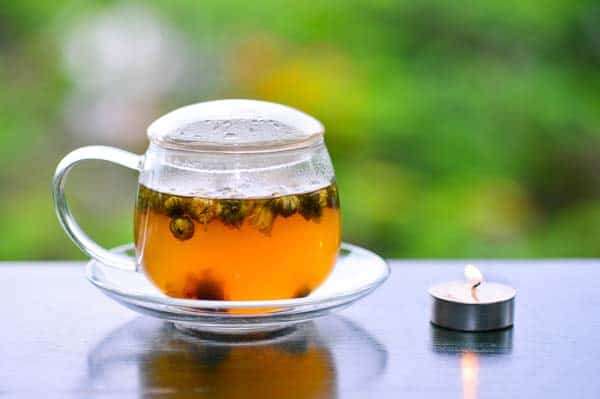
This is probably the gentlest and most reliable natural highlighter for brown hair, especially if your hair is light to medium brown.
Chamomile contains apigenin and other flavonoids that have a mild lightening effect when combined with sun exposure. The golden tones it creates are warm and subtle, which is exactly what you want from a natural approach. It won’t strip your hair of colour, it just lifts it a little, especially around your face and where the light naturally falls.
Brew a strong pot (4 to 6 bags or a handful of dried flowers), let it cool, and use it as a rinse after washing. Sit in the sun for 20 to 30 minutes after applying, then rinse out. Repeat weekly for a few weeks and you’ll start to see a real difference in lighter brown hair.
I’ve written a full guide to chamomile and its properties if you want to go deeper: Chamomile: Benefits, Properties, Medicinal & Magical Uses.
2. Lemon juice
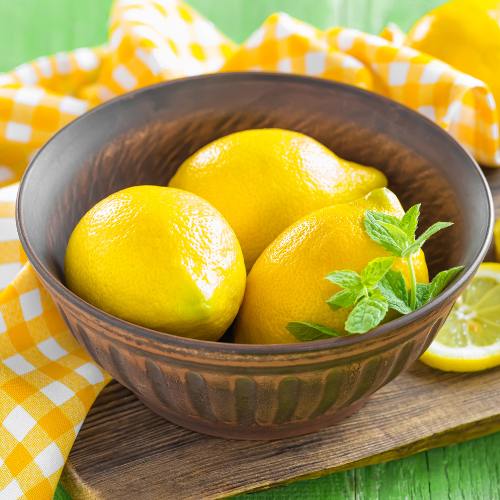
The classic, and for good reason. Lemon juice contains citric acid, which opens the hair cuticle slightly and reacts with UV light to oxidise pigment. This is where the lightening actually happens, it needs sunlight to work.
But I want to be honest with you here. Undiluted lemon juice can be drying with repeated use. It strips some of the hair’s natural oils along with the pigment, which is why you’ll want to follow up with a nourishing oil afterwards.
My suggestion: dilute fresh lemon juice with an equal amount of water, or mix it with a little aloe vera gel to soften the effect. Apply to the sections where you want highlights, step outside for 20 to 30 minutes, then rinse and condition well.
Works best on light to medium brown hair. Very dark hair will see minimal results.
3. Cinnamon and agave syrup
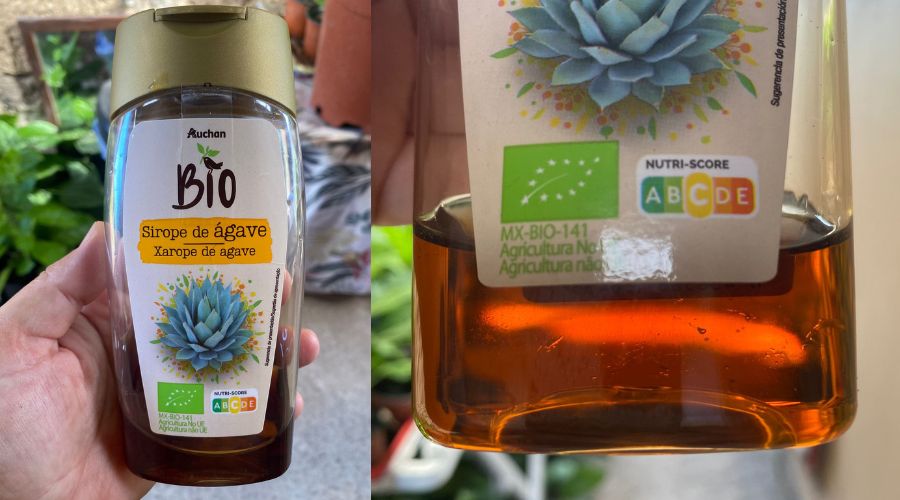
This one’s for warm, caramel-toned highlights with a reddish depth. It works differently to the other methods, rather than using UV light, it’s a leave-in mask that you apply overnight.
Cinnamon contains cinnamaldehyde, which has a mild lightening effect on hair pigment. The reason you add agave syrup is purely practical. It creates a thick, coating consistency that helps the mixture cling to the hair shaft and stay in place while you sleep. It also adds a little shine and slip to the mask, which means less tangling when you rinse it out.
To make it:
- Mix 3 tablespoons of ground cinnamon with 2 tablespoons of agave syrup
- Add enough of your regular conditioner to create a smooth paste
- Apply to sections where you want highlights, focusing on where the sun would naturally hit your hair
- Cover with a shower cap and leave overnight (at least 4 hours)
- Rinse thoroughly in the morning
Repeat once a week. You should start noticing warm, golden-red tones within 3 to 4 weeks.
4. Calendula tea
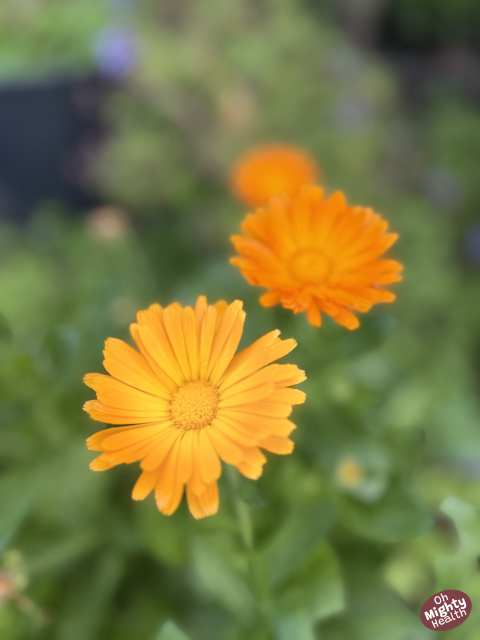
Calendula is the lesser-known one on this list, and that’s a shame because it’s lovely.
Like chamomile, calendula contains flavonoids that have a mild lightening effect, but the tones it creates lean more golden-amber rather than cool gold. It’s also particularly gentle, which makes it a good option if your hair is on the drier or more sensitive side, or if you have a scalp that reacts to stronger ingredients.
Brew a strong infusion using dried calendula flowers, let it cool completely, then use it as a final rinse after washing. Sit in the sun for 20 to 30 minutes. Rinse out or leave in (it won’t cause any build-up).
You can combine calendula and chamomile in the same rinse for a stronger effect.
5. Rhubarb root
This is the one that surprises people. Rhubarb root has been used as a natural hair lightener for centuries, and there’s actually some decent evidence behind it.
It contains chrysophanol and other anthraquinones that impart warm golden tones to the hair shaft. It works best on lighter shades of brown — on very dark brown hair, you’re more likely to see a conditioning effect than a visible colour change.
To make a rhubarb root rinse: simmer 3 to 4 tablespoons of dried rhubarb root in 2 cups of water for 20 minutes. Let it cool completely, strain well, and apply to damp hair. Leave it on for 30 to 60 minutes in the sun, then rinse out.
A word of caution: rhubarb root can leave a slight yellow tint on skin, so use gloves when applying and keep it away from your scalp. Do a strand test first.
DIY natural highlight rinse: a simple recipe to try at home
This is a gentle, nourishing rinse that combines the lightening power of chamomile and lemon with a protective base of argan oil and aloe vera gel. Everything in it is plant-based and vegan.
I find this works best on light to medium brown hair. Use it consistently once a week for 4 to 6 weeks for visible results.
You will need:
- 1 cup of strongly brewed chamomile tea (cooled completely)
- Juice of half a lemon (fresh)
- 1 tablespoon of aloe vera gel (helps the rinse cling to the hair)
- 5 drops of argan oil (to protect the hair and add shine)
To use:
- Wash your hair as normal and leave it damp
- Mix all the ingredients together in a jug or spray bottle
- Apply generously to your hair, focusing on where you want the highlights — the crown, face-framing sections, the ends
- Step outside and sit in the sun for 20 to 30 minutes. The UV exposure is what activates the lightening
- Rinse thoroughly. No need to shampoo again
- Follow with your usual conditioner, especially on the ends
Store any leftover rinse in the fridge and use within 2 days.
If you want even more nourishing oil options for your hair, have a look at Argan Oil for Hair: Your Ultimate Guide — it goes into much more detail on why argan is so good for both scalp and strands.
How to make your natural highlights last longer
Natural highlights fade the same way any hair colour does: heat, washing, UV damage, and harsh products all break down pigment over time. A few simple habits will protect what you’ve built.
Rinse with cold water. Warm and hot water opens the hair cuticle, which lets colour molecules escape. Cold water seals the cuticle, which locks them in. It takes some getting used to, but a 30-second cold rinse at the end of your shower makes a real difference over time.
Ditch sulphate shampoos. Sulphates are the foaming agents in most conventional shampoos. They’re effective cleansers, but they’re also quite stripping, and they’ll fade your highlights faster than almost anything else. Look for sulphate-free or very mild shampoos, or consider washing less frequently.
Protect from heat. Blow dryers and straighteners break down the hair shaft and speed up colour fade. If you can reduce heat styling even a little, your highlights will last noticeably longer. When you do use heat, always apply a protective oil first.
Use protective oils. A few drops of argan oil or jojoba oil applied to damp hair after washing helps seal the cuticle and protect the colour. For a more complete hair oiling routine, this article has some beautiful recipes: Summer Hair Oil DIY Recipes for Seriously Luscious Locks.
Keep up the rinses. Natural highlighting isn’t a one-time thing. To maintain the effect, continue doing your chamomile rinse or DIY recipe once a week or every two weeks. You might also find this rosemary oil hair mask useful for keeping your hair generally healthy while you work on lightening it.
What to expect: honest timelines and results
I want to be straight with you on this, because I think it’s important.
Natural highlights work slowly. You’re looking at 4 to 8 weeks of consistent use before you notice a real difference, and the change will be gradual rather than dramatic. If you’re hoping for a full balayage effect in two weeks, natural methods won’t get you there.
What they will do is create a gentle, sun-kissed warmth that looks like your hair has naturally lightened. It’s convincing precisely because it is natural.
What affects your results:
- Starting colour: Light to medium brown hair will see the most noticeable results. Dark brown hair will lighten more slowly and subtly, and may need consistent use over 2 to 3 months before results are clear.
- Sun exposure: Most natural lighteners need UV light to activate. If you live somewhere grey, results will come more slowly. Apply your rinse and sit near a sunny window if outdoor time isn’t an option.
- Hair porosity: Porous hair (often hair that’s been heat-damaged or previously coloured) will absorb natural lighteners more readily and show faster results. Low-porosity hair will be slower to respond.
- Consistency: This is the big one. One application won’t do much. Weekly use over several weeks is what creates a visible change.
If you want to support your hair’s overall health while going through this process, these 7 simple natural hair growth tips are a good companion read.
A final thought
There’s something genuinely lovely about the slow approach to natural hair care.
It takes patience, yes. But the results are yours. They grow out gracefully instead of showing roots. They don’t damage your hair or your scalp. And they cost almost nothing compared to a salon visit.
Start with the chamomile rinse. Add lemon if you want more lift. Try the cinnamon and agave mask if you’re after warmth. Give it time.
Your hair will thank you for it.
Love, Patri xx
References
- Ito S, Wakamatsu K. Diversity of human hair pigmentation as studied by chemical analysis of eumelanin and pheomelanin. J Eur Acad Dermatol Venereol. 2011;25(12):1369–80. Available from: https://pubmed.ncbi.nlm.nih.gov/22077870/
- Ito S, Wakamatsu K, Sarna T. Photodegradation of eumelanin and pheomelanin and its pathophysiological implications. Photochem Photobiol. 2018;94(2):409–20. Available from: https://pubmed.ncbi.nlm.nih.gov/30548435/
- Wang Y, Chen L, Xu Y, et al. Recent advancement in bioeffect, metabolism, stability, and delivery systems of apigenin, a natural flavonoid compound: challenges and perspectives. Front Nutr. 2023;10:1227. Available from: https://pmc.ncbi.nlm.nih.gov/articles/PMC10410563/
- Srivastava JK, Shankar E, Gupta S. Chamomile: A herbal medicine of the past with bright future. Mol Med Rep. 2010;3(6):895–901. Available from: https://pmc.ncbi.nlm.nih.gov/articles/PMC2809371/
- Haq A, Lobo PI, Al-Tufail M, et al. A comprehensive study of therapeutic applications of chamomile. Pharmaceuticals (Basel). 2022;15(10):1345. Available from: https://pmc.ncbi.nlm.nih.gov/articles/PMC9611340/
- Zhang Q, Fernandez JM, Gourion-Arsiquaud S, Cornwell PA. Reinforcing chemically treated human hair with citric acid. Int J Cosmet Sci. 2025;47(1):e13039. Available from: https://onlinelibrary.wiley.com/doi/10.1111/ics.13039
- Shang C, Zhang P, Wang X, et al. A chromosome-scale Rhubarb (Rheum tanguticum) genome assembly provides insights into the evolution of anthraquinone biosynthesis. Nat Commun. 2023;14:5056. Available from: https://pmc.ncbi.nlm.nih.gov/articles/PMC10447539/
