
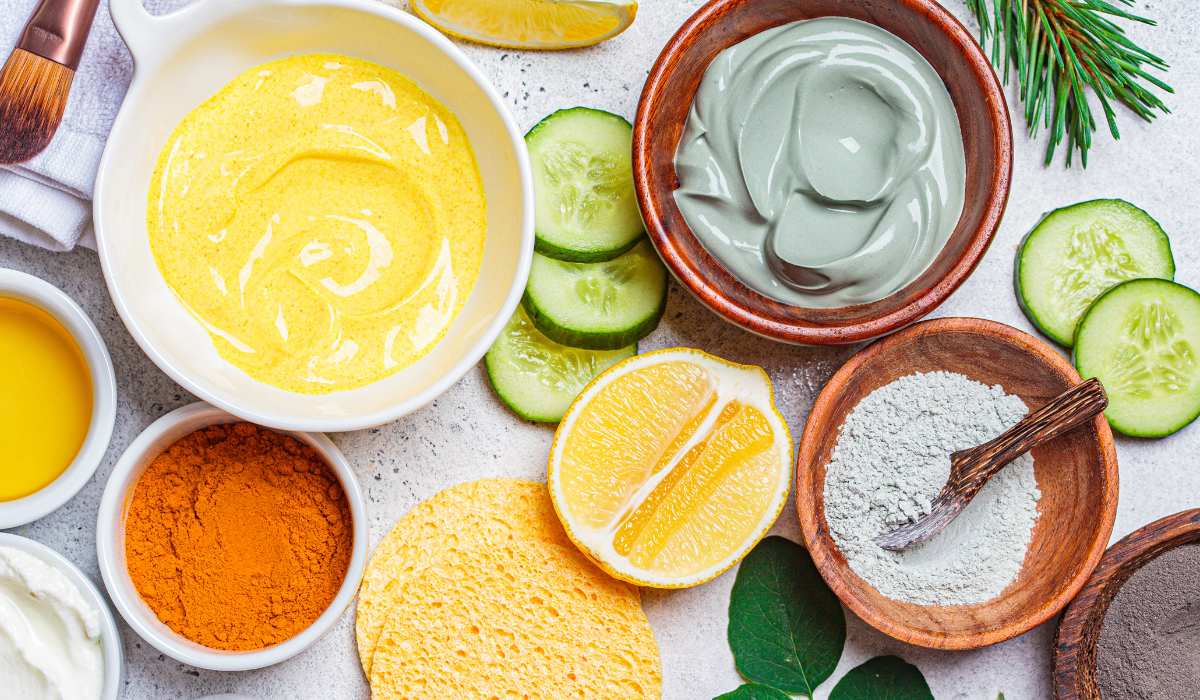
Natural Skin Treatments: Your New & Complete Guide!
I don’t care how many serums you own.
If your skin’s still angry, dry, or breaking out, something isn’t working.
Here’s what I learned after years of formulating organic skincare: the problem isn’t you.
It’s that most “solutions” are trying to fix symptoms instead of supporting what your skin ACTUALLY needs.
Natural skin treatments aren’t about hopping on trends or replacing medical care when you genuinely need it.
They’re about working with your skin’s natural processes (not bulldozing through them with harsh actives).
When you use plant-based ingredients, herbs, botanical oils, clays, and gentle plant extracts, you’re giving your skin things it recognises.
Things it can actually use to REPAIR, PROTECT AND REBALANCE itself.
Your skin already knows how to heal. It just needs the right support.
In this guide, I’m sharing the natural treatments that genuinely work for common skin concerns, from stubborn dryness and sensitivity to acne and signs of age.
You’ll find simple DIY recipes, honest ingredient explanations, and practical tips for using them safely.
Whether you’re completely new to natural skincare or you’ve tried everything and you’re ready for something different, this is your starting point.
Let’s do this.
(Disclaimer: Some links may be affiliate links. If you buy through them, I may earn a small commission, always at no extra cost to you)
What are natural skin treatments (and why they actually work)
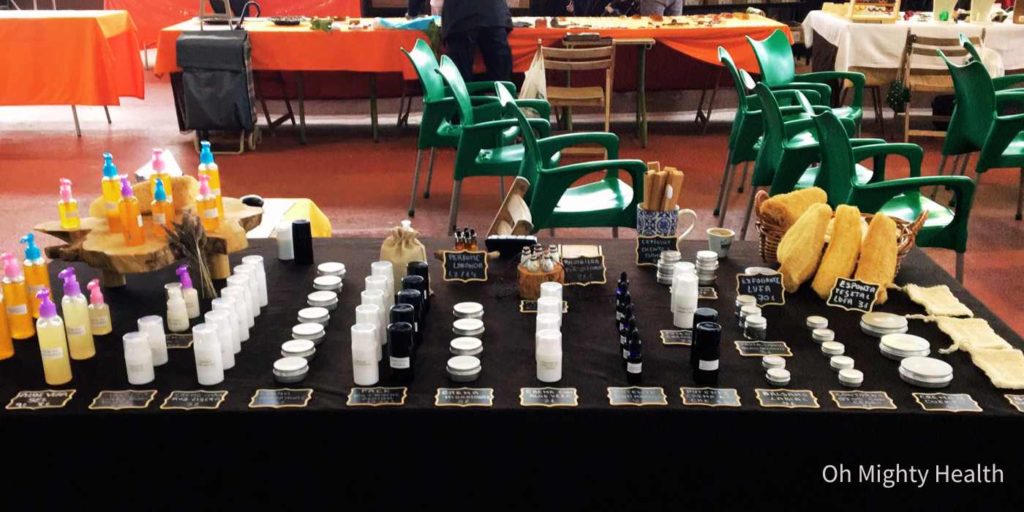
Natural skin treatments are skincare solutions made primarily from plant-based, mineral, or naturally derived ingredients that support your skin’s own functions rather than just masking symptoms.
Think of them as active skincare , they don’t simply sit on the surface. They penetrate, nourish, and help your skin do what it’s designed to do: protect, repair, and regenerate.
These treatments include things like herbal infusions (teas made from healing plants), botanical oils rich in fatty acids and vitamins, clays that gently draw out impurities, plant-based acids that encourage cell turnover, hydrosols (floral waters) that soothe and tone, and handmade balms or masks tailored to specific skin needs.
How they differ from conventional products
Conventional skincare often relies on synthetic emulsifiers, preservatives, fragrances, and chemical actives that can be effective but may also irritate sensitive skin or disrupt your skin barrier over time.
Natural treatments, when formulated properly, work more gently. They support your skin’s natural lipid barrier, provide antioxidants to fight free radical damage, and offer anti-inflammatory compounds that calm rather than aggravate.
That said, ‘natural’ doesn’t automatically mean ‘safe for everyone’ or ‘better.’ Essential oils, for example, are natural but highly concentrated and potentially irritating; they should be diluted to 0.5-2% for facial use and avoided in pregnancy or sensitive skin without professional advice. Plant extracts can still cause allergies in some people. The key is understanding what you’re using and why.
Good natural skincare is about knowledge and intention, not just slapping on anything labelled “organic.” Unfortunately, not all “natural skincare” is actually natural, so it pays to read labels carefully.
When you make or choose natural treatments thoughtfully, you’re giving your skin ingredients it can recognise and use , and that makes all the difference.
Natural treatments for your biggest skin concerns (with simple DIY recipes)
Let me walk you through the most common skin concerns and which natural ingredients genuinely help , plus simple ways to use them at home.
1. Dry or dehydrated skin (restore softness and plumpness naturally)
Dry skin lacks oil (lipids), while dehydrated skin lacks water. Often, you’re dealing with both. What your skin needs: fatty acids to rebuild the lipid barrier, humectants to draw in moisture, and emollients to lock everything in.
Top Natural Ingredients:
Oat extract or colloidal oatmeal , incredibly soothing, anti-inflammatory, and helps your skin hold onto moisture. It contains beta-glucans that form a protective film.
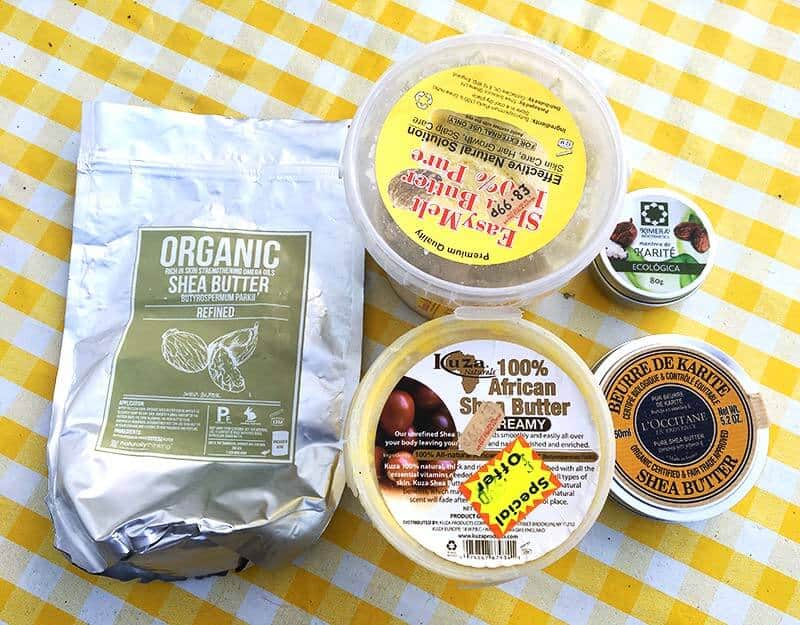
Shea butter, rich in vitamins A and E, plus essential fatty acids. It melts into skin and provides long-lasting hydration without feeling greasy.
Rosehip oil, packed with linoleic acid and vitamins, it absorbs quickly and helps repair damaged skin barriers.
Simple DIY Treatment:
Mix 2 tablespoons finely ground oats with 1 tablespoon agave syrup and enough warm chamomile tea to form a paste. Apply to damp skin, leave for 10-15 minutes, then rinse with lukewarm water. Your skin will feel soft, plump, and calm.
Tip: Applying oils or butters to damp skin can help reduce water loss by forming a protective barrier and maintaining skin hydration.
2. Oily or acne-prone skin to clear breakouts without harsh chemicals
Oily skin produces excess sebum, often due to hormones, genetics, or , ironically , over-stripping your skin with harsh products. Acne-prone skin needs gentle antibacterial support, sebum regulation, and inflammation control without drying out completely. If you’re dealing with persistent oiliness, you might find my complete oily skin care routine helpful.
Top Natural Ingredients:
Witch hazel hydrosol, a natural astringent that tightens pores and reduces excess oil without the harshness of alcohol-based toners. Looking for a complete toning solution? Check out the best natural toner for acne.
Tea tree oil, scientifically proven antimicrobial that fights acne-causing bacteria. Always dilute (1-2% maximum in a carrier).
Green clay (or bentonite), absorbs excess oil, unclogs pores, and gently exfoliates without irritation.
Simple DIY Treatment:
Mix 1 tablespoon green clay with enough witch hazel or rosewater to form a smooth paste. Add 1 drop of tea tree oil (optional). Apply to clean skin, leave until almost dry (8-10 minutes), then rinse. Use once or twice weekly.
Tip: Don’t let clay masks dry completely , they can over-strip your skin, triggering even more oil production.
3. Redness, sensitivity and rosacea to soothe and calm irritated skin
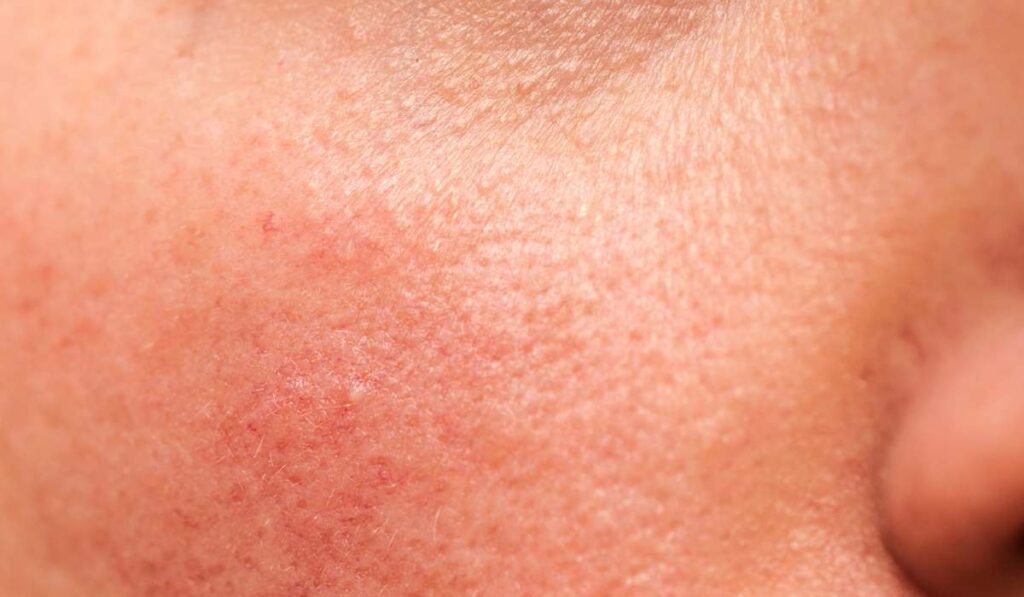
Sensitive skin has a compromised barrier and reacts easily to triggers like heat, products, or stress. Rosacea involves chronic inflammation and visible blood vessels. What helps: anti-inflammatory, barrier-repairing, and calming ingredients.
Top Natural Ingredients:
Calendula , a gentle, anti-inflammatory herb that soothes irritation and supports skin healing. Perfect for reactive skin.
Chamomile (German or Roman) , contains bisabolol and chamazulene, powerful anti-inflammatory compounds that reduce redness.
Squalane oil, a skin-identical lipid that mimics your skin’s natural sebum. It calms, hydrates, and never irritates.
Simple DIY Treatment:
Brew a strong chamomile tea (2 tea bags in half a cup of hot water). Let it cool completely, then soak a soft cloth and hold it against your face for 5-10 minutes. Pat dry gently. You can also freeze the tea into ice cubes for extra cooling relief.
Tip: Sensitive skin often reacts to added fragrance and many essential oils, so it’s best to avoid them or use only unscented, gentle ingredients.
4. Dull or uneven skin tone to brighten and glow naturally
Dullness happens when dead skin cells build up, circulation slows, or your skin loses its natural radiance. Uneven tone is often caused by sun damage, post-inflammatory hyperpigmentation, or age spots. Your skin needs gentle exfoliation, brightening, and circulation support.
Top Natural Ingredients:
Apple cider vinegar (diluted), contains natural alpha hydroxy acids (AHAs) that can exfoliate dead cells, but it must be diluted carefully (typically at least 1:10 with water) and patch-tested to avoid irritation especially on sensitive skin.
Liquorice root extract, contains glabridin, which inhibits melanin production and evens out skin tone naturally.
Rosehip oil, rich in vitamin C and provitamin A carotenoids, gently supports skin renewal and may help fade dark spots over time.
Simple DIY Treatment:
Mix 1 tablespoon bentonite clay with 1 tablespoon apple cider vinegar and 1 teaspoon agave syrup. Apply to clean skin, leave for 8-10 minutes (don’t let it dry completely), then rinse. The natural acids gently exfoliate while clay detoxifies and agave soothes. Use 1-2 times weekly for a brighter, more even complexion.
Tip: Always wear SPF during the day if you’re using any exfoliating treatments , even natural ones.
5. Ageing, fine lines and loss of elasticity
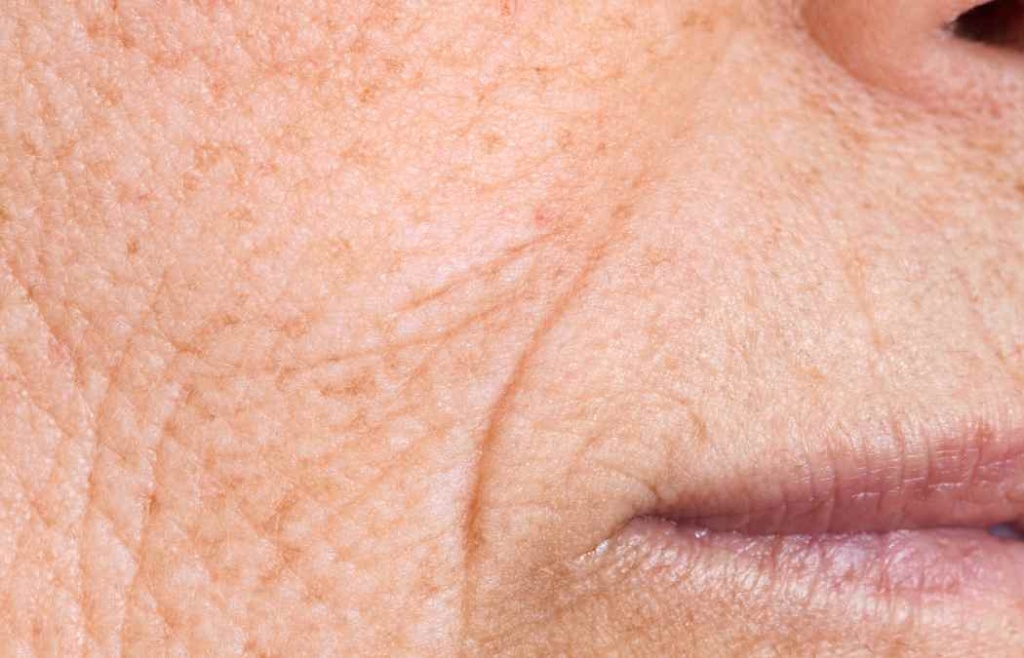
As we age, collagen production slows, skin becomes thinner, and we lose elasticity. What your skin needs: antioxidants to fight free radicals, ingredients that support collagen, and deep hydration to plump fine lines. If improving elasticity is your main concern, I’ve got a whole guide on skin elasticity remedies that goes deeper.
Top Natural Ingredients:
Argan oil, rich in vitamin E and essential fatty acids. It improves skin elasticity and deeply nourishes mature skin.
Frankincense essential oil, is traditionally used for its reputed skin-supporting properties. If used, dilute it to 1-2% in a carrier oil and perform patch testing to ensure tolerance.
Rosehip seed oil , one of the best natural sources of vitamin A (in the form of trans-retinoic acid), which encourages cell turnover and reduces fine lines. If you’re curious about which oils work best for wrinkles, rosehip consistently tops the list.
Simple DIY Treatment:
Blend 1 tablespoon argan oil with 1 tablespoon rosehip oil and 2 drops of frankincense essential oil. Warm a few drops between your palms and press gently into clean, damp skin at night. This nourishing treatment supports skin repair while you sleep.
Tip: Consistency matters more than anything with ageing skin. Results take weeks, not days , but they’re real and lasting.
How to apply natural treatments correctly (get the best results)
You can have the best ingredients in the world, but if you’re not using them properly, you won’t see the results you’re hoping for.
Yes, preparation matters
Always start with clean skin. I don’t mean scrubbed raw , just gently cleansed with a mild, pH-balanced cleanser to remove dirt, oil, and makeup. If you’re making your own cleansers, vegetable glycerin is a wonderful humectant to include.
If you’re using a mask or treatment that benefits from open pores, try steaming your face first. Boil water, pour it into a bowl, and lean over it with a towel draped over your head for 3-5 minutes. Your skin will absorb active ingredients much more effectively.
Patch test any new ingredient before using it on your face. Apply a small amount to the inside of your wrist or behind your ear, wait 24 hours, and check for any reaction. Yes, even with natural ingredients , plant compounds can be potent.
Frequency is your key
Most natural face masks and treatments work best when used 1-2 times per week. More isn’t better. Over-treating your skin (even with gentle ingredients) can disrupt your barrier and cause irritation.
Think of it like watering a plant , consistent care beats drowning it once a month.
Layering with other skincare
If you’re using a natural treatment like a clay mask or exfoliating AHA treatment, apply it before your serums and moisturisers. Let your skin breathe for a few minutes after rinsing, then continue with your usual routine. Want to make sure you’re doing things in the right order? Check out my guide on skincare steps in the right order.
Oils and balms work beautifully as the final step , they seal in all the hydration underneath and protect your skin barrier.
Can you make it mindful?
Natural skincare isn’t just about results , it’s about the ritual. Light a candle, play calming music, and give yourself those 15 minutes of care. Your skin responds not just to ingredients, but to the stress relief and self-compassion you bring to the process.
When you slow down and treat this as self-care rather than a chore, you’re already halfway to healthier skin. If you’re feeling overwhelmed by complicated routines, remember that simple skincare routines often work better than elaborate ones.
Your starter natural skincare kit (10 ingredients that do it all)
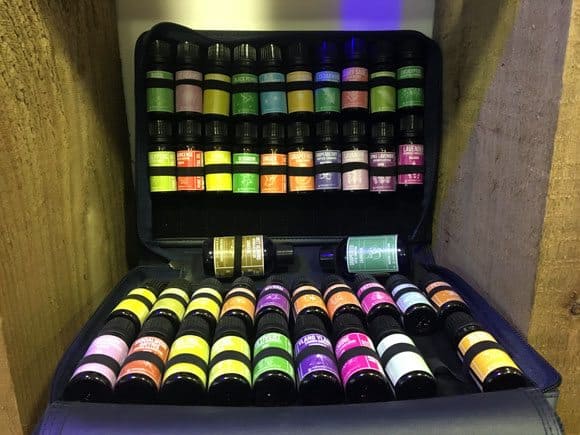
You don’t need a cupboard full of exotic ingredients to create effective natural treatments. Here are 10 essentials that cover most skin concerns and work beautifully together.
1. Rosehip oil, For all skin types. Brightens, repairs, and reduces fine lines. Non-comedogenic and absorbs quickly. It’s one of my top picks for DIY face serums too.
2. Jojoba oil, Mimics your skin’s natural sebum. Perfect for balancing oily skin or soothing dry patches.
3. Shea butter, Rich, nourishing, and ideal for dry or mature skin. Great for DIY balms and body butters.
4. Vegetable glycerin, A powerful humectant that draws moisture into skin. Works beautifully in serums, toners, and masks for all skin types.
5. Green clay (or bentonite)absorbs excess oil, helps to unclog pores, and provides gentle exfoliation. A staple for oily or congested skin. You can also mix it with other natural ingredients to make homemade body scrubs for full-body care.
6. Colloidal oatmeal , Calms irritation, soothes eczema and rosacea, and gently exfoliates without scratching.
7. Witch hazel hydrosol, Tones, tightens pores, and reduces inflammation. Choose alcohol-free versions.
8. Chamomile (dried flowers or tea) , Anti-inflammatory and calming. Perfect for sensitive or reactive skin.
9. Tea tree essential oil, Antimicrobial powerhouse for acne. Always dilute properly (1-2% in carrier oils or treatments). Careful with tea tree oil and pets, particularly cats!! Check my article on it here, please read if you’re not sure.
10. Aloe vera gel (pure, not the bright green stuff) , Hydrating, cooling, and healing. Ideal for sunburn, irritation, or as a lightweight moisturiser base.
These ingredients are versatile, affordable, and easy to find. Start with 3-4 that suit your skin type, and build from there. You’ll be amazed at what you can create with just a few simple, high-quality ingredients. For even more glow, consider adding vitamin E oil to your treatments.
Safety notes and final thoughts so you can use natural treatments confidently
Natural doesn’t mean risk-free, and I want you to feel confident and safe as you try these treatments.
Always patch test before applying anything new to your face , even if it’s “just” honey or oatmeal. Allergies and sensitivities vary wildly from person to person.
Store your DIY treatments properly. Most homemade masks and treatments don’t contain preservatives, so they spoil quickly. Make small batches, keep them in the fridge if needed (glass jars work best for storage), and use them within a few days.
Use fresh, high-quality ingredients. Rancid oils or stale herbs won’t help your skin , and they might actually irritate it. If something smells off, toss it.
Essential oils are potent. Always dilute them properly (1-2% for facial use), and never apply them directly to your skin. If you’re pregnant, breastfeeding, or managing a medical condition, check with a healthcare professional before using them. Also, you can learn more about using essential oils safely around pets.
Consistency beats perfection. You don’t need a 10-step routine or expensive exotic ingredients. Choose a few treatments that work for your skin, use them regularly, and give them time. Real results take weeks, not days. And if you’ve been believing common skincare myths, it’s time to let those go.
Most importantly, trust yourself. You know your skin better than anyone. If something doesn’t feel right, stop using it. If something works beautifully, keep doing it , even if it’s not trendy or Instagram-worthy.
Natural skincare is about listening to your skin, honouring its needs, and treating it with respect. It’s not about chasing perfection or comparing yourself to filtered images online.
Your skin is doing its best every single day. Give it the gentle, effective support it deserves, and it will reward you with a healthy, glowing complexion that feels as good as it looks.
Love,
Patri xx
Resources
- Pazyar N, Yaghoobi R, Bagherani N, Kazerouni A. A review of applications of tea tree oil in dermatology. Int J Dermatol. 2013;52(7):784-790.
- Vaughn AR, Clark AK, Sivamani RK, Shi VY. Natural oils for skin-barrier repair: ancient compounds now backed by modern science. Am J Clin Dermatol. 2018;19(1):103-117.
- Reynertson KA, Garay M, Nebus J, Chon S, Kaur S, Mahmood K, et al. Anti-inflammatory activities of colloidal oatmeal (Avena sativa) contribute to the effectiveness of oats in treatment of itch associated with dry, irritated skin. J Drugs Dermatol. 2015;14(1):43-48.
- Lin TK, Zhong L, Santiago JL. Anti-inflammatory and skin barrier repair effects of topical application of some plant oils. Int J Mol Sci. 2018;19(1):70.
- Keen MA, Hassan I. Vitamin E in dermatology. Indian Dermatol Online J. 2016;7(4):311-315.
- Inoue T, Sugimoto Y, Masuda H, Kamei C. Antiallergic effect of flavonoid glycosides obtained from Mentha piperita L. Biol Pharm Bull. 2002;25(2):256-259.
- McKay DL, Blumberg JB. A review of the bioactivity and potential health benefits of chamomile tea (Matricaria recutita L.). Phytother Res. 2006;20(7):519-530.
- Woo YR, Park CJ, Kang H, Kim JE. Repurposing squalene for skin disease treatment. Biomed Dermatol. 2020;4:16.
- Pappas A. Epidermal surface lipids. Dermatoendocrinol. 2009;1(2):72-76.
- Fiume MM, Bergfeld WF, Belsito DV, Hill RA, Klaassen CD, Liebler DC, et al. Safety assessment of Vitis vinifera (grape)-derived ingredients as used in cosmetics. Int J Toxicol. 2014;33(3 Suppl):48S-83S.
- Zasada M, Budzisz E. Retinoids: active molecules influencing skin structure formation in cosmetic and dermatological treatments. Postepy Dermatol Alergol. 2019;36(4):392-397.
- D’Orazio J, Jarrett S, Amaro-Ortiz A, Scott T. UV radiation and the skin. Int J Mol Sci. 2013;14(6):12222-12248.
