
“Natural skincare”? Let’s be honest… most of it isn’t!!
Can we talk about this so-called “natural skincare” trend?
Because I’m tired of watching people spend good money on products that look plant-based and pure… but are packed with synthetic fillers, harsh preservatives, and vague ingredients that tell you absolutely nothing.
What bothers me most is how confident these brands are about calling themselves clean. As if throwing in a drop of rosewater or a sprinkle of green tea powder somehow makes it okay to add PEGs, silicones, or mystery fragrances. And don’t even get me started on the “coconut-derived” nonsense.
It’s not just misleading… it’s lazy.
And people with sensitive skin? End up paying for it.
Literally.

What they’re actually putting in these “natural” products…
When you turn over the label on one of these so-called natural creams, here’s what you often find:
❌ Ingredients that don’t belong in “natural” skincare (but are everywhere):
- Phenoxyethanol – A synthetic preservative that’s still widely used, even in “organic” ranges. It’s allowed in small amounts, but it can cause reactions in sensitive skin and isn’t exactly nature-derived.
- Fragrance (Parfum) – This vague term can hide dozens of undisclosed chemicals. Even when a brand claims it’s “natural fragrance,” there’s no clear standard, and many contain allergens or synthetic additives.
- PEGs (Polyethylene Glycols) – These are petroleum-based compounds used to thicken or soften. You’ll often see them in lotions or cleansers, even when the label says “plant-based.”
- Silicones – Look for ingredients ending in -cone or -siloxane. They give that smooth feel but form an artificial layer over your skin. Not harmful for everyone, but definitely not natural — and they don’t nourish the skin.
- Cetrimonium chloride, disodium EDTA, triethanolamine – Lab-made ingredients that keep the formula stable, but have no skin benefit and absolutely nothing to do with natural skincare.
Here’s what I believe natural skincare should focus on instead:
- Raw plant oils and butters. Like shea, kokum, camellia, jojoba, or sunflower oil. They feed the skin and offer real benefits.
- Hydrosols. True flower waters like rose, chamomile, or neroli, with mild therapeutic properties and no added junk.
- Herbal extracts. Not just thrown in for marketing, but present in high enough amounts to matter. Calendula, green tea, plantain, marshmallow root, etc.
- Minimal processing. Cold-pressed, unrefined, organic where possible — because the fewer the steps, the more intact the nutrients.

I think you need an example. Here’s what can look natural… but isn’t:
Product Label: “Hydrating Day Cream with Aloe & Green Tea – 98% Natural”
Ingredients:
Aqua (Water), Glycerin, Caprylic/Capric Triglyceride, Cetearyl Alcohol, Glyceryl Stearate, PEG-100 Stearate, Aloe Barbadensis Leaf Juice, Camellia Sinensis (Green Tea) Leaf Extract, Phenoxyethanol, Ethylhexylglycerin, Carbomer, Parfum (Fragrance), Disodium EDTA, Sodium Hydroxide.
Let’s break it down:
- Aloe and Green Tea are in there — sure. But they’re buried under a list of emulsifiers, synthetic preservatives, and fragrance.
- PEG-100 Stearate – A synthetic emulsifier (made from ethylene glycol, the same base as antifreeze). Definitely not natural.
- Phenoxyethanol + Ethylhexylglycerin – Common synthetic preservatives. Widely used in “natural” brands, but can cause sensitivity.
- Carbomer – A synthetic thickener. Not harmful, but not botanical either.
- Parfum (Fragrance) – Could mean anything. Even if it says “natural,” there’s no transparency.
- Disodium EDTA – A chelating agent to stabilise the formula. Also synthetic, and contributes nothing to skin health.
- Sodium Hydroxide – Used to adjust pH. Needed in small doses, but still synthetic.
So yes… it contains aloe and green tea, but most of the formula is built on cheap synthetics.
And the “98% natural” claim means nothing unless the brand explains how they’re calculating it (they usually don’t).
This is exactly the kind of formula that tricks well-meaning people into thinking they’re buying clean skincare.
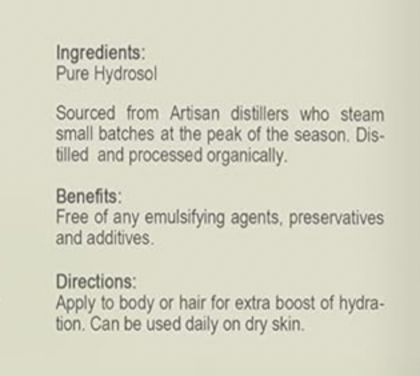
✅ A truly natural moisturiser formula:
Label: “Calming Face Cream with Calendula & Rosehip”
(Note: This is the kind of ingredient list you’d find in a high-quality, small-batch natural brand — or make yourself as a formulator, like I do.)
Ingredients:
Rosa damascena flower water (rose hydrosol), Calendula officinalis flower extract (calendula infusion), Butyrospermum parkii butter (shea butter), Simmondsia chinensis oil (jojoba oil), Rosa canina fruit oil (rosehip oil), Cetearyl alcohol (plant-derived), Glyceryl stearate (from coconut oil), Tocopherol (vitamin E, non-synthetic), Leuconostoc/radish root ferment filtrate (natural preservative), Citric acid (from fruit).
Why this is the real deal:
- Every oil, butter, and extract is botanical – Nothing synthetic or questionable
- Emulsifiers are naturally derived – Cetearyl alcohol and glyceryl stearate can both be made from coconut or palm, and are approved in natural/organic formulations
- Preserved naturally – Radish root ferment is a bio-preservative accepted in certified organic cosmetics
- No fragrance/parfum – The scent comes naturally from the rose hydrosol and calendula
- No silicones, PEGs, or fillers – Just ingredients that feed your skin, not fill space
Bonus: How you can spot a TRULY natural formula
- Shorter ingredient lists with recognisable names
- Latin (INCI) botanical names paired with common names — not vague terms
- No “fragrance” or unnecessary colourants
- If there’s water, it’s often a hydrosol or an herbal infusion instead
- Preserved with plant ferments, essential oils, or organic acids, not phenoxyethanol or parabens
Why this actually matters (especially for sensitive skin)
If you’ve got sensitive skin, eczema, rosacea, or even just occasional redness — you already know the wrong product can set you off for days.
And here’s the kicker:
Most people switching to “natural” skincare are doing it because they want fewer irritants.
But what they’re often getting instead is a whole new set of reactions… from products they trusted.
Here’s what happens when a formula isn’t as natural as it claims:
- Your skin barrier gets compromised – because synthetic emulsifiers and preservatives can disrupt your skin’s natural microbiome.
- You develop mystery irritation – that you can’t trace, because the label just says “fragrance” or “natural origin.”
- You start doubting your skin – instead of the product, thinking you’re the problem, when actually it’s the formulation that’s doing the damage.
For some skin types, even small amounts matter.
Especially when:
- You’re already dealing with inflammation
- You have histamine or allergy issues
- You’re trying to eliminate triggers (but don’t know what’s really in your cream)
This isn’t just about being picky. It’s about transparency, trust, and making informed choices — because your skin doesn’t care what the label says. It reacts to what’s actually in the jar.
How to read skincare labels (what to ignore, what to actually look for)
Because once someone’s aware of the problem, the next step is how to protect yourself — and this section gives your reader actual tools to do that.
How to read skincare labels (what to ignore, what to actually look for)
The front of the packaging is marketing. The real truth is on the back — and even then, you’ve got to know what to look for.
Here’s how to break it down without needing a chemistry degree:
🚫 What to ignore:
Buzzwords like:
- “Plant-based” – A single plant extract qualifies. Doesn’t mean the formula is clean.
- “Non-toxic” – Not a regulated term. Water is non-toxic. So is petrol.
- “Hypoallergenic” – No legal definition. Doesn’t mean allergy-safe.
- “Fragrance-free” – Can still include masking agents or “natural” scents.
- “Natural origin” – PEGs and silicones can be technically plant-derived too. Doesn’t mean they’re gentle or unprocessed.
“Key Ingredients” lists
These highlight 3–4 plant extracts, even if they make up less than 1% of the formula.
They tell you nothing about what makes up the bulk of the product.
✅ What to actually look for:
Read the full INCI list. The first 4–5 ingredients matter most.
These are what your skin will be soaking in.
Here’s how to interpret it:
- First ingredient is water? That’s fine — but ideally it’s a hydrosol or infusion in natural products. If it’s just water and filler after that, think twice.
- Can you recognise most of the ingredients? If not, ask why. A natural product should mostly contain plant names you know (and can pronounce).
- Are there strong preservatives or synthetics high up? Like phenoxyethanol, PEGs, carbomers? These shouldn’t dominate a natural formula.
- Are essential oils listed clearly, with proper names? That’s a good sign. But be cautious if there’s “fragrance” listed as well — that could mean a synthetic blend hiding behind the EOs.
Skincare shouldn’t be a guessing game.
And you deserve better than a pretty label with vague claims.
Greenwashing tricks brands use (and how to spot them fast)
Not all brands lie — but many strategically word things to make you feel safe while quietly sneaking in synthetics, irritants, and cheap fillers.
Here’s how it works:
They use nature imagery to sell a synthetic formula
Think soft green packaging, leaves, flowers, glass jars, and botanical names in bold…
Meanwhile, the formula is 95% water, emulsifiers, synthetics, and just a drop of something natural.
Example:
You see “with organic chamomile” on the front — but it’s the very last ingredient listed, below even citric acid.
They use “free from” labels as a distraction
“Free from parabens, SLS, and silicones!”
Yes… but full of phenoxyethanol, carbomer, fragrance, and PEGs. This is called cleanwashing — removing one “bad” thing while stuffing the formula with five others.
They overstate “natural origin” percentages
A product that’s “99% natural origin” can still include synthetic preservatives and emulsifiers — because the percentage includes water and base oils, not just actives.
If most of the formula is water + one oil, that already gets you 90%+.
It doesn’t mean the product is unprocessed, gentle, or actually skin-friendly.
They put the natural actives up front in marketing — not in the formula
You’ll often see phrases like:
- “Infused with calendula”
- “Powered by rosehip oil”
- “With hyaluronic acid from plants”
But these can be included at tiny, trace amounts. You have no idea how much is in there — and how it’s processed. In reality, they may do nothing.
They hide behind the word “fragrance”
Even so-called clean brands do this. “Natural fragrance” isn’t a regulated term. It could be essential oils, isolates, or completely synthetic components — and you won’t know which.
If a product is truly natural, it won’t need to hide its scent ingredients.
How to build a truly natural skincare routine (without the confusion)
You don’t need a dozen products. You don’t need miracle claims.
And you definitely don’t need a bathroom cabinet full of synthetic creams disguised as “green beauty.”
If your goal is to treat your skin gently, support your barrier, and use products that actually nourish — this is where to begin.
Start with just 3 things:
1. A simple oil or balm to moisturise
Choose cold-pressed, unrefined oils suited to your skin type:
- Dry or mature: Camellia, rosehip, shea, or kokum butter
- Oily or acne-prone: Jojoba, hemp seed, or grapeseed
- Sensitive or reactive: Apricot kernel or calendula-infused oil
You don’t need a blend of 12 oils. One or two good ones are enough.
2. A real cleanser — not a stripping one
Stay away from foaming cleansers with SLS or synthetic surfactants.
Instead, try:
- Oil cleansing with something like sunflower or jojoba oil
- A gentle natural cream cleanser with minimal ingredients
- Or even a milk-based or honey-free DIY cleanser if you want to go zero-waste
Your skin should feel calm after cleansing, not tight.
3. A water-based product that’s actually botanical
Hydrosols (flower waters) are brilliant here.
Look for:
- Rose (hydrating and calming)
- Chamomile (soothing and gentle)
- Witch hazel (astringent but choose alcohol-free versions)
- Lavender (mildly balancing and refreshing)
Use them after cleansing and before oils. They hydrate, balance pH, and support absorption.
What to avoid:
- Long lists of synthetic stabilisers, emulsifiers, and preservatives
- “Natural” products that won’t even list the full INCI
- Anything with “parfum” or “fragrance” as a catch-all term
- Products that claim too much — your skin doesn’t need miracles, it needs consistency
Bottom line
If the ingredient list is short, transparent, and made with actual plants, you’re already ahead.
Don’t fall for the noise. Start with fewer, better things — and give your skin time to respond.
The truth
The truth is, most of what’s sold as “natural skincare” today isn’t really natural at all.
And if you’ve ever felt confused, let down, or irritated (literally and figuratively) by these products, you’re not alone.
The only way forward is through knowledge, learning how to read labels, trusting ingredients you recognise, and ignoring the noise.
You don’t need hype. You need honesty.
And once you start choosing products that are actually aligned with what your skin needs, everything gets simpler.
And your skin finally gets the chance to thrive.
Helpful read: The Smart Guide to Choosing the Best Aloe Vera Gel
