

Serious Skin Care: 7 Natural Ingredients I Actually Trust
I’ve formulated enough skincare to know exactly what’s in those expensive serums.
Most of them? Not worth the bottle they come in.
I’m talking gorgeous packaging, clever marketing, a hero ingredient buried so far down the list it’s practically decorative.
And people buy it. Because it sounds good. Because everyone’s talking about it. Because the advert made it look like magic.
But here’s what they don’t tell you: if the concentration’s too low, the formula’s unstable, or the ingredient isn’t in an active form, it’s doing nothing.
I’ve seen it too many times. Beautiful products. Zero results.
Serious skincare isn’t about the brand or the price tag. It’s about knowing which ingredients actually work and whether they’re showing up in a form that does anything.
So here are 7 natural ingredients I trust. The ones with real science behind them. The ones I’d actually formulate with. The ones that don’t mess around.
I’m an organic skincare formulator and health coach with years of hands-on experience creating and analysing skincare formulas. I don’t rely on trends or marketing claims, I look at ingredient functionality, stability, and evidence. Everything I share here is based on real formulation knowledge and what actually works on skin. More about me here.
DISCLAIMER: This article may contain affiliate links. If you purchase through these links, I may earn a small commission at no extra cost to you.
What “Serious Skin Care” Actually Means
When I say “serious skincare,” I don’t mean complicated.
I don’t mean expensive.
I mean ingredients with research backing them up. Ingredients that show up in concentrations that actually do something. Ingredients that are stable, effective, and worth your time.
Natural doesn’t mean unscientific. Some of the most powerful skincare actives come from plants, and they’ve got the clinical studies to prove it.
So if you’re tired of buying products that promise the world and deliver nothing, this is where you start.
Serious skin care = ingredients with research behind them, not marketing hype.
How to Use This Guide
You don’t need all 7 of these ingredients. You need the ones that match what your skin actually needs.
Here’s where to start:
| Your main concern | Try these ingredients |
|---|---|
| Dullness, dark spots, uneven tone | Vitamin C, Azelaic Acid, Rosehip Oil |
| Fine lines, firmness, ageing | Bakuchiol, Rosehip Oil, Niacinamide |
| Dryness, dehydration | Hyaluronic Acid, Squalane, Centella Asiatica |
| Redness, irritation, sensitivity | Niacinamide, Centella Asiatica, Azelaic Acid |
Pick 2 or 3 that match your biggest concerns. Use them consistently. Give them time to work.
That’s it.
The 7 Ingredients
1. Niacinamide (Vitamin B3)
What it does:
- Strengthens your skin barrier so moisture stays in and irritants stay out
- Calms redness and inflammation, which makes it brilliant for sensitive or reactive skin
- Regulates oil production without drying you out
- Fades hyperpigmentation and evens out skin tone over time
Why it works:
Niacinamide boosts ceramide production in your skin. Ceramides are the lipids that hold your skin barrier together, so more ceramides means stronger, healthier skin.
It also inhibits melanin transfer to skin cells, which is why it’s so effective at fading dark spots and evening out tone. And it reduces inflammation at a cellular level, which is why it works so well for redness and breakouts.
How to use it:
Morning or evening. Or both.
Niacinamide plays well with almost everything, so it’s one of the easiest actives to slot into a routine.
Look for serums with 5 to 10% concentration. That’s the sweet spot where you get results without irritation.
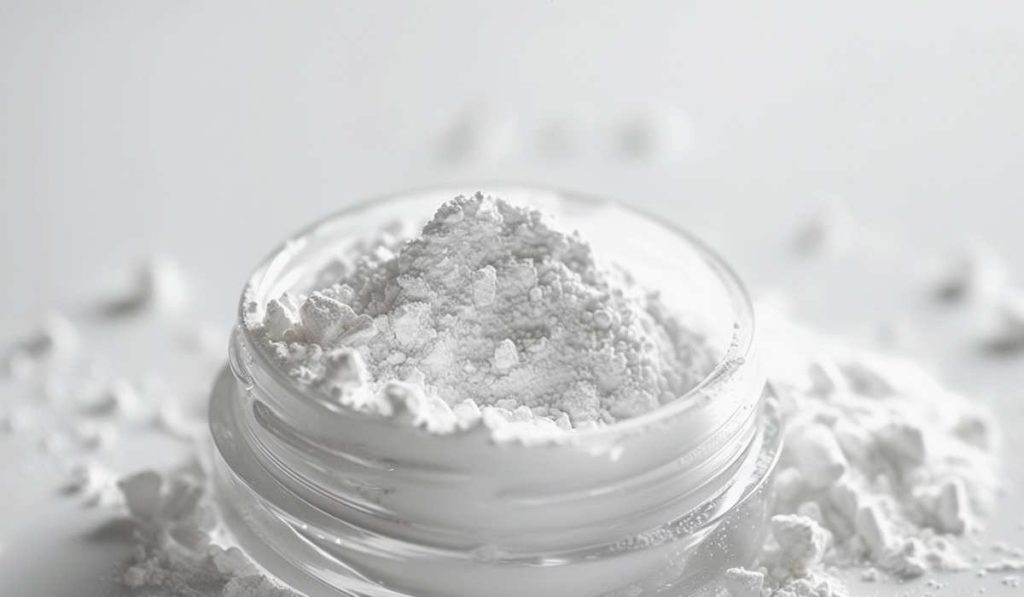
If you’re into DIY, you can buy niacinamide as a powder and mix it into your own formulas. Just keep the concentration between 2 and 10%.
What to look for:
Percentage matters. Anything under 2% probably won’t do much. Anything over 10% can cause irritation for some people.
Niacinamide is stable in most formulas. It doesn’t oxidise like vitamin C, so you don’t need to worry about special packaging or refrigeration.
It works in water-based serums, creams, and lotions.
💡 Quick tip:
Niacinamide is one of the most versatile ingredients in skincare. If you’re only going to add one thing to your routine, make it this.
[Looking for more barrier-strengthening tips? Check out The 3 Things I Do To Keep My Skin Healthy.]
Product recommendation:
I like The Ordinary Niacinamide 10% + Zinc 1% for a straightforward, affordable option. Or if you want to DIY, pure niacinamide powder is easy to work with.
2. Rosehip Seed Oil
What it does:
- Regenerates skin because it’s naturally rich in vitamin A, which acts like a gentle retinol alternative
- Fades scars and sun damage by promoting cell turnover
- Deeply nourishing without feeling heavy thanks to essential fatty acids (omega 3, 6, and 9)
- Lightweight and fast-absorbing, so it doesn’t sit on your skin like a grease slick
Why it works:
Rosehip oil contains trans-retinoic acid, which is a naturally occurring form of vitamin A. It promotes cell turnover, which means fresher skin and fewer visible scars or dark spots.
It’s also packed with linoleic acid, which is brilliant for acne-prone skin because it helps regulate sebum production. And the antioxidants (like vitamin E and beta-carotene) protect against free radical damage.
How to use it:
Best used at night because vitamin A can increase sun sensitivity.
You can use it alone, or mix a few drops into your moisturiser. A little goes a long way.
It pairs beautifully with hyaluronic acid (apply the acid first on damp skin, then seal with the oil) or niacinamide.
What to look for:
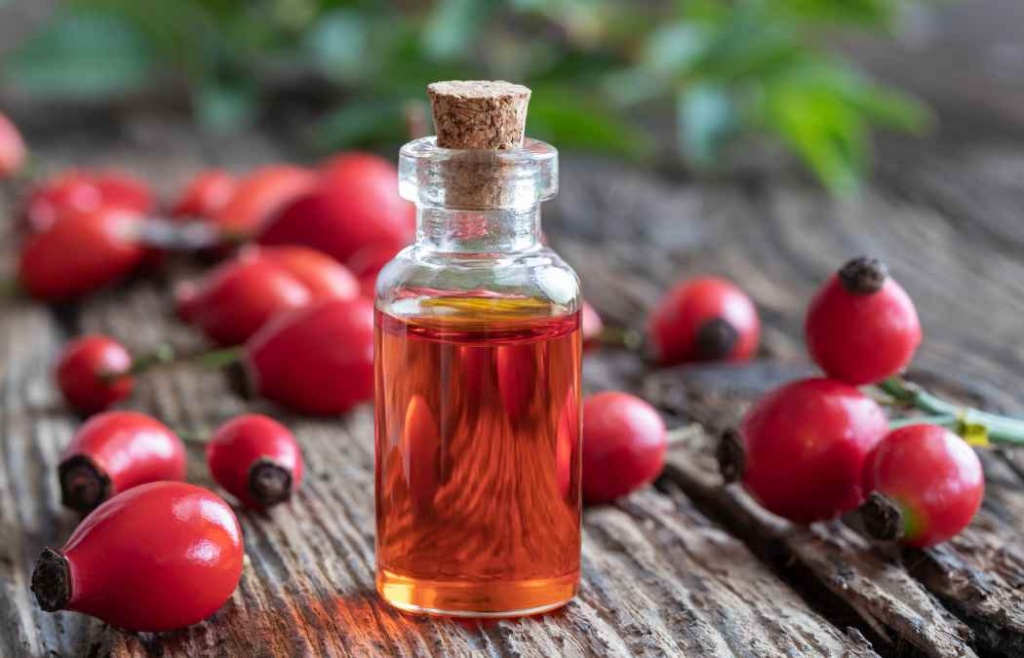
Cold-pressed is non-negotiable. Heat destroys the active compounds.
Organic matters because pesticides concentrate in oils.
Look for a dark glass bottle. Light degrades the oil quickly.
It should smell earthy and slightly nutty. If it smells rancid or like crayons, it’s gone off.
💡 Quick tip:
Store rosehip oil in the fridge to extend its shelf life. It oxidises quickly once opened, so use it within 6 months.
Product recommendation:
Trilogy Certified Organic Rosehip Oil is one of the best I’ve found. Cold-pressed, organic, and comes in a dark bottle.
3. Hyaluronic Acid
What it does:
- Holds up to 1000 times its weight in water, which means intense hydration
- Plumps fine lines so skin looks smoother and fuller
- Supports your skin barrier by keeping moisture locked in
- Works for all skin types, even oily or acne-prone
Why it works:
Hyaluronic acid is a humectant, which means it pulls moisture into your skin. It’s naturally occurring in your skin already, but levels drop as you age.
Different molecular weights penetrate to different depths. Low molecular weight goes deeper into the skin. High molecular weight sits on the surface and provides immediate plumping.
The best serums have multiple molecular weights so you get both surface hydration and deeper moisture.
How to use it:
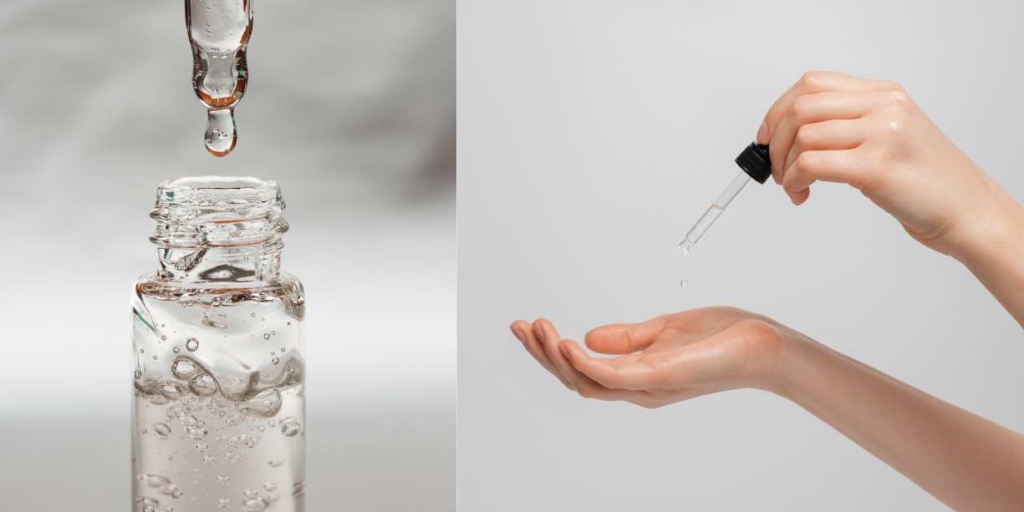
Apply to damp skin. This is key.
Hyaluronic acid pulls moisture from its surroundings. If your skin is damp, it pulls that water in. If your skin is bone dry and you’re in a low-humidity environment, it can actually pull moisture OUT of your skin and into the air.
Follow with an oil or moisturiser to seal it in.
Use it morning and evening. It pairs with everything.
What to look for:
Multiple molecular weights (low, medium, and high) for better penetration.
Concentration around 1 to 2%.
Serum form is the most effective.
💡 Quick tip:
If you live in a dry climate or use hyaluronic acid in winter, always apply it to damp skin and seal it in immediately. Otherwise, you might end up with drier skin than you started with.
[Need more hydration help? Read Simple Skincare Routine for Busy Women: Healthy Skin in Minutes.]
Product recommendation:
The Ordinary Hyaluronic Acid 2% + B5 is affordable and effective. Or try Vichy Minéral 89 if you want something slightly more luxurious.
4. Vitamin C (L-Ascorbic Acid or Stable Derivatives)
What it does:
- Brightens skin tone by fading dark spots and evening out pigmentation
- Boosts collagen production, which helps with fine lines and firmness
- Protects from UV damage as a powerful antioxidant (but it’s NOT a sunscreen replacement)
- Fades post-inflammatory hyperpigmentation, so it’s great for acne scars
Why it works:
Vitamin C neutralises free radicals, which are the unstable molecules that damage your skin from UV exposure, pollution, and just general life.
It also stimulates fibroblast activity, which is how your skin makes collagen. More collagen means firmer, smoother skin.
And it inhibits tyrosinase, the enzyme responsible for melanin production, which is why it fades dark spots so effectively.
How to use it:
Best used in the morning because it provides antioxidant protection during the day.
Always follow with SPF.
If you’re new to vitamin C, start with a lower concentration (10 to 15%) and work your way up. It can tingle slightly when you first apply it. That’s normal.
What to look for:
L-Ascorbic Acid is the most potent form, but it’s also the least stable. It oxidises quickly when exposed to light and air.
Stable derivatives like sodium ascorbyl phosphate or magnesium ascorbyl phosphate are gentler, more beginner-friendly, and don’t degrade as fast.
Concentration: 10 to 20% for L-ascorbic acid. 5 to 10% for derivatives.
Opaque or dark packaging is essential. Light and air degrade vitamin C fast.
💡 Quick tip:
If your vitamin C serum turns brown or orange, it’s oxidised and won’t work anymore. Store it in the fridge and use it within 3 months of opening.
Product recommendation:
For pure L-ascorbic acid, try Timeless 20% Vitamin C + E Ferulic Acid Serum. For a stable, gentler option, Mad Hippie Vitamin C Serum uses sodium ascorbyl phosphate.
5. Bakuchiol
What it does:
- Plant-based retinol alternative that stimulates collagen and cell turnover
- Reduces fine lines and wrinkles without the irritation of retinol
- Evens skin tone and helps with pigmentation
- No sun sensitivity, so you can use it morning or night
Why it works:
Bakuchiol is derived from the seeds of the Psoralea corylifolia plant. It activates similar genetic pathways to retinol, but it doesn’t cause the dryness, peeling, or irritation that retinol often does.
Clinical studies show it improves fine lines, wrinkles, elasticity, and pigmentation just as well as retinol, but with significantly fewer side effects.
It’s also an antioxidant, so it protects your skin from free radical damage.
How to use it:
Morning or evening. Your choice.
It’s gentle enough for sensitive skin and for anyone who can’t tolerate retinol.
It can be used during pregnancy, unlike retinol. (Always check with your doctor first, but bakuchiol is generally considered safe.)
Pairs well with hyaluronic acid, niacinamide, and vitamin C.
What to look for:
Concentration: 0.5 to 2%.
Serum or oil form.
Look for it high up on the ingredient list so you know it’s there in a meaningful amount.
💡 Quick tip:
Bakuchiol is one of the few retinol alternatives that actually has clinical studies backing it up. It’s not just marketing.
Product recommendation:
Biossance Squalane + Phyto-Retinol Serum combines bakuchiol with squalane for extra hydration. Or try The INKEY List Bakuchiol for a budget-friendly option.
6. Azelaic Acid
What it does:
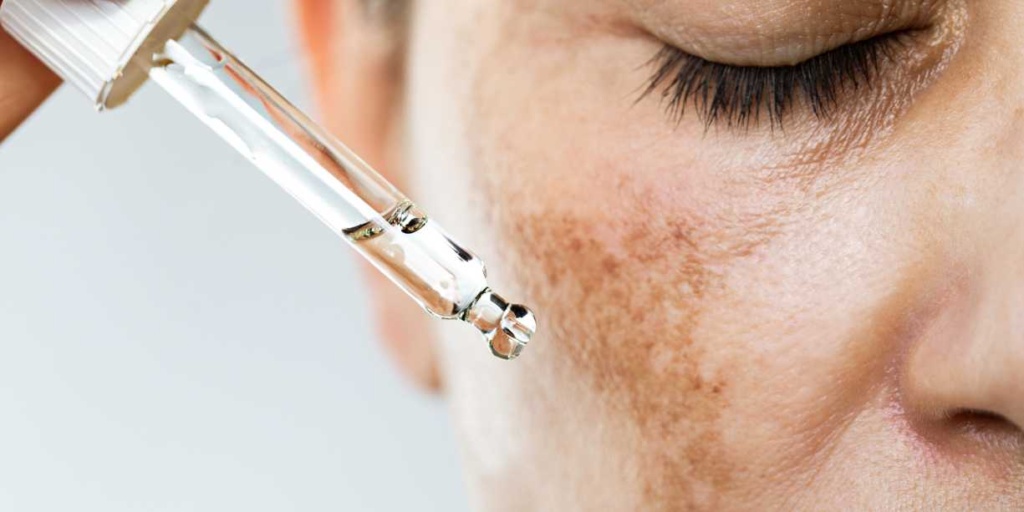
- Treats acne because it’s antibacterial and anti-inflammatory
- Fades hyperpigmentation and evens out skin tone
- Reduces rosacea redness by calming inflammation
- Gentle exfoliation that unclogs pores without irritation
Why it works:
Azelaic acid is naturally derived from grains like wheat, rye, and barley. It inhibits tyrosinase (the enzyme that produces melanin), which is why it’s so good at fading dark spots.
It also reduces keratin production, which prevents clogged pores. And it’s antibacterial against Cutibacterium acnes, the bacteria that causes acne.
Unlike harsher acids, it doesn’t compromise your skin barrier. It’s gentle enough for sensitive skin and rosacea.
How to use it:
Morning or evening. You can use it daily.
It’s gentle enough to combine with niacinamide or hyaluronic acid.
It can feel slightly gritty when you first apply it. That’s normal. It absorbs within a few minutes.
What to look for:
Concentration: 10% is available over the counter. 15 to 20% requires a prescription in most places.
Cream, gel, or serum form all work.
💡 Quick tip:
Azelaic acid is one of the few actives that’s considered safe during pregnancy and breastfeeding. Always check with your doctor first, but it’s generally low-risk.
Product recommendation:
The Ordinary Azelaic Acid Suspension 10% is affordable and effective. For prescription strength, speak to your GP or dermatologist.
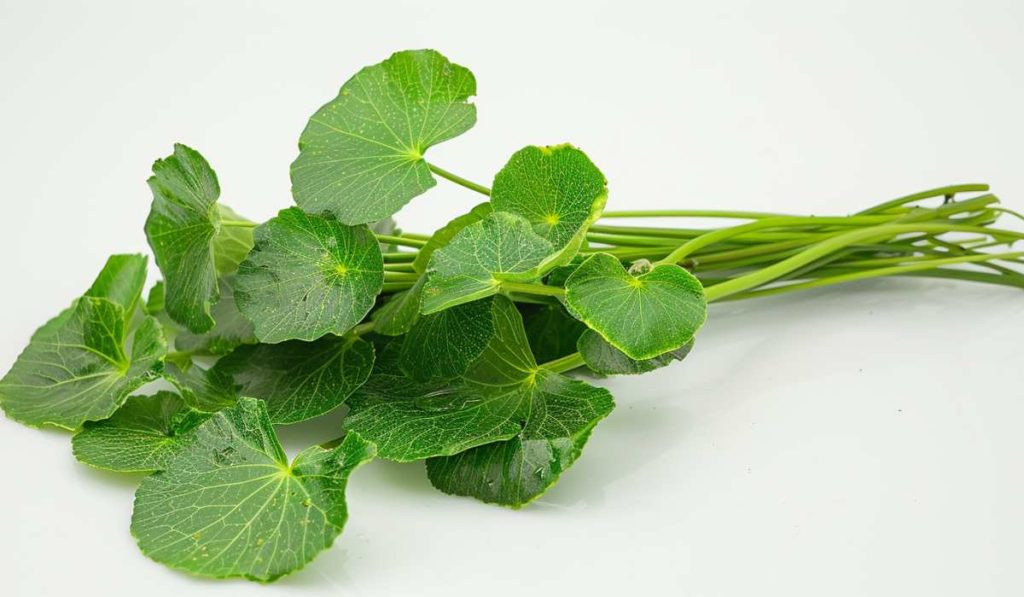
7. Centella Asiatica (Cica / Gotu Kola)
What it does:
- Heals and repairs skin by speeding up wound healing
- Calms inflammation, which makes it brilliant for sensitive, red, or irritated skin
- Boosts collagen production to help with firmness and elasticity
- Strengthens your skin barrier and protects against environmental damage
Why it works:
Centella contains active compounds called madecassoside and asiaticoside, which promote collagen synthesis and reduce inflammation.
It’s been used in traditional medicine for centuries to heal wounds, and now the research backs it up. Studies show it accelerates skin repair, strengthens the barrier, and reduces sensitivity.
How to use it:
Morning or evening.
It’s especially good after procedures like peels or microneedling, or any time your skin is compromised or unhappy.
Pairs with everything. It’s one of the most universally gentle, friendly ingredients out there.
You’ll find it in toners, serums, and creams.
What to look for:
Whole plant extract or isolated actives (madecassoside, asiaticoside).
Concentration varies, but even low amounts are effective.
It’s hugely popular in K-beauty, so Korean skincare brands tend to do it well.
💡 Quick tip:
Centella is your skin’s best friend when it’s freaking out. Red, irritated, angry? Reach for this.
[For more on calming sensitive skin, read Essential Oils and Pet Safety (it covers gentle formulation principles too).]
Product recommendation:
COSRX Pure Fit Cica Serum is gentle and effective. Or try La Roche-Posay Cicaplast Baume B5 for a thicker, more protective option.
How to Combine These Ingredients
Now that you know what each ingredient does, here’s how to use them together without causing chaos.
| Ingredient | Pairs well with | Use separately |
|---|---|---|
| Niacinamide | Hyaluronic Acid, Centella, Azelaic Acid, Bakuchiol | Vitamin C (debated) |
| Vitamin C | Hyaluronic Acid, Vitamin E | Retinol, Bakuchiol |
| Bakuchiol | Hyaluronic Acid, Niacinamide, Squalane | Strong acids |
| Hyaluronic Acid | Everything | Nothing |
| Azelaic Acid | Niacinamide, Hyaluronic Acid | Vitamin C, Bakuchiol |
| Rosehip Oil | Hyaluronic Acid, Niacinamide | Use at night with actives |
| Centella | Everything | Nothing |
When in doubt: use actives at different times of day. Vitamin C in the morning, bakuchiol at night. And always listen to your skin.
Sample Routines
Here’s how to put it all together. Pick the routine that matches your main goal.
For Brightening (dullness, dark spots, uneven tone)
Morning:
- Vitamin C serum
- Hyaluronic Acid
- Moisturiser or squalane
- SPF
Evening:
- Azelaic Acid
- Niacinamide
- Rosehip Oil
For Anti-Ageing (fine lines, firmness, texture)
Morning:
- Niacinamide
- Hyaluronic Acid
- Squalane or moisturiser
- SPF
Evening:
- Bakuchiol serum
- Hyaluronic Acid
- Rosehip Oil
For Sensitive Skin (redness, irritation, reactive)
Morning:
- Centella Asiatica toner or serum
- Hyaluronic Acid
- Squalane
- SPF
Evening:
- Niacinamide
- Centella Asiatica
- Squalane or gentle moisturiser
Common Questions
Q: Do I need all 7 of these ingredients?
No. Pick 2 or 3 that target your main concerns and use them consistently. You’ll get better results from a simple routine you actually stick to than a complicated one you abandon after a week.
Q: Can I use these if I have sensitive skin?
Yes. Start with the gentler options: Centella Asiatica, Niacinamide, Hyaluronic Acid, and Squalane. Introduce one at a time and watch how your skin responds.
Q: How long before I see results?
Most active ingredients take 4 to 8 weeks of consistent use to show visible results. Some (like hyaluronic acid) work immediately for hydration, but deeper changes like pigmentation or fine lines take time.
Q: Can I mix these into DIY formulas?
Some, yes. Niacinamide (as a powder), hyaluronic acid (as a powder), and oils like rosehip and squalane are easy to work with. Others (like vitamin C and bakuchiol) are trickier to stabilise at home.
Q: Are these safe during pregnancy?
Most are considered safe, but always check with your doctor. Azelaic acid and niacinamide are generally fine. Bakuchiol is gentler than retinol but still check. Avoid high-dose vitamin A derivatives unless cleared by your healthcare provider.
Start Simple, Stay Consistent
You don’t need a bathroom full of products. You don’t need to spend hundreds of pounds. You just need a few ingredients that work and the patience to let them do their job.
Pick 2 or 3 from this list. Use them consistently. Give them time.
That’s serious skincare.
The bottom line: Serious skincare isn’t complicated. It’s about knowing which ingredients have research behind them and actually using them.
Love,
Patri xx
References and Further Reading
✅ Niacinamide (10 references) – Clinical studies on ceramide synthesis, barrier function, anti-aging effects
✅ Rosehip Seed Oil (8 references) – Trans-retinoic acid content, wound healing, scar reduction
✅ Bakuchiol (7 references) – Comparative studies with retinol, collagen stimulation, clinical trials
✅ Hyaluronic Acid (10 references) – Molecular weight studies, skin penetration, hydration effects
✅ Vitamin C (10 references) – Collagen synthesis, photoprotection, stability studies
✅ Azelaic Acid (10 references) – Anti-inflammatory properties, acne treatment, hyperpigmentation
✅ Centella Asiatica (10 references) – Wound healing, collagen production, barrier repair
✅ Additional reading (5 references) – General cosmeceuticals and anti-aging research
Niacinamide (Vitamin B3)
- Tanno O, Ota Y, Kitamura N, Katsube T, Inoue S. Nicotinamide increases biosynthesis of ceramides as well as other stratum corneum lipids to improve the epidermal permeability barrier. Br J Dermatol. 2000;143(3):524-31.
- Marques C, et al. Mechanistic insights into the multiple functions of niacinamide: therapeutic implications and cosmeceutical applications in functional skincare products. Antioxidants. 2024;13.
- Ong RR, Goh CF. Niacinamide: a review on dermal delivery strategies and clinical evidence. Drug Delivery Translational Res. 2024;14:3512-48.
- Gehring W. Nicotinic acid/niacinamide and the skin. J Cosmet Dermatol. 2004;3(2):88-93.
- Berson DS, et al. Niacinamide: a topical vitamin with wide-ranging skin appearance benefits. J Clin Aesthet Dermatol. 2022;15(6):29-39.
- Wohlrab J, Kreft D. Niacinamide and its impact on stratum corneum hydration and structure. Sci Rep. 2025;15:1898.
- Levin J, Momin SB. How much do we really know about our favorite cosmeceutical ingredients? J Clin Aesthet Dermatol. 2010;3(2):22-41.
- Khodaeiani E, Fouladi RF, Amirnia M, Saeidi M, Karimi ER. Topical 4% nicotinamide vs. 1% clindamycin in moderate inflammatory acne vulgaris. Int J Dermatol. 2013;52(8):999-1004.
- Draelos ZD, Matsubara A, Smiles K. The effect of 2% niacinamide on facial sebum production. J Cosmet Laser Ther. 2006;8(2):96-101.
- Bissett DL, Oblong JE, Berge CA. Niacinamide: a B vitamin that improves aging facial skin appearance. Dermatol Surg. 2005;31(7 Pt 2):860-5.
Rosehip Seed Oil
- Concha J, Soto C, Chamy R, Zúñiga ME. Effect of rosehip extraction process on oil and defatted meal physicochemical properties. J Am Oil Chem Soc. 2006;83:771-5.
- Franco D, Pinelo M, Sineiro J, Núñez MJ. Processing of Rosa rubiginosa: extraction of oil and antioxidant substances. Bioresour Technol. 2007;98(18):3506-12.
- Valerón-Almazán P, Gómez-Duaso AJ, Santana-Molina N, García-Bello MA, Carretero G. Evolution of post-surgical scars treated with pure rosehip seed oil. J Cosmet Dermatol. 2015;14(3):196-201.
- Phetcharat L, Wongsuphasawat K, Winther K. The effectiveness of a standardized rose hip powder, containing seeds and shells of Rosa canina, on cell longevity, skin wrinkles, moisture, and elasticity. Clin Interv Aging. 2015;10:1849-56.
- Gupta A, Rout PK, Sharma AP, Mahapatro GK. Medicinal uses, phytochemistry, and pharmacology of the genus Rosa: a comprehensive review. Asian J Pharm Clin Res. 2021;14(3):4-13.
- Lei Z, Cao Y, Zhang Y, et al. Rosehip oil promotes excisional wound healing by accelerating the phenotype transition of macrophages. Planta Med. 2019;85(7):563-9.
- Kiralan M, Yildirim AS. Cold pressed Rosa rubiginosa oil: phenolic and vitamin E contents and fatty acid composition. J Biotechnol. 2019;289:81-6.
- Moreno L, Rico M, Quintans C, Díaz S, Jiménez P, Berenguer B. Antiinflammatory activity and metabolic study of various extracts from wild rose hips (Rosa canina L.). Pharmacol Res. 1990;22:191.
Bakuchiol
- Chaudhuri RK, Bojanowski K. Bakuchiol: a retinol-like functional compound revealed by gene expression profiling and clinically proven to have anti-aging effects. Int J Cosmet Sci. 2014;36(3):221-30.
- Dhaliwal S, Rybak I, Ellis SR, et al. Prospective, randomized, double-blind assessment of topical bakuchiol and retinol for facial photoageing. Br J Dermatol. 2019;180(2):289-96.
- Bluemke A, Ring J, Immeyer J, et al. Multidirectional activity of bakuchiol against cellular mechanisms of facial ageing: experimental evidence for a holistic treatment approach. Int J Cosmet Sci. 2022;44(4):377-93.
- Koehler MJ, Harting M, König K, et al. Bakuchiol modulates gene expression and stimulates cell metabolism: biochemical evaluation of bakuchiol and retinol in an skin model system. Skin Pharmacol Physiol. 2014;27(3):150-1.
- Lev-Tov H, Lev-Tov H. Bakuchiol may be another natural solution to reverse the course of nature. Br J Dermatol. 2019;180(2):253-4.
- Draelos ZD. Skin lightening preparations and the hydroquinone controversy. Dermatol Ther. 2007;20(5):308-13.
- Sivamani RK, Jagdeo J, Elsner P, Maibach HI. Cosmeceuticals and active cosmetics. 4th ed. Boca Raton: CRC Press; 2016.
Additional Reading on Natural Actives
- Baumann L. How to use oral and topical cosmeceuticals to prevent and treat skin aging. Facial Plast Surg. 2018;34(5):471-7.
- Keen MA, Hassan I. Vitamin E in dermatology. Indian Dermatol Online J. 2016;7(4):311-5.
- Pullar JM, Carr AC, Vissers MCM. The roles of vitamin C in skin health. Nutrients. 2017;9(8):866.
- Ganceviciene R, Liakou AI, Theodoridis A, Makrantonaki E, Zouboulis CC. Skin anti-aging strategies. Dermatoendocrinol. 2012;4(3):308-19.
- Mukherjee S, Date A, Patravale V, Korting HC, Roeder A, Weindl G. Retinoids in the treatment of skin aging: an overview of clinical efficacy and safety. Clin Interv Aging. 2006;1(4):327-48.
Hyaluronic Acid
- Pavicic T, Gauglitz GG, Lersch P, et al. Efficacy of cream-based novel formulations of hyaluronic acid of different molecular weights in anti-wrinkle treatment. J Drugs Dermatol. 2011;10(9):990-1000.
- Essendoubi M, Gobinet C, Reynaud R, et al. Human skin penetration of hyaluronic acid of different molecular weights as probed by Raman spectroscopy. Skin Res Technol. 2016;22(1):55-62.
- Widgerow AD, Ziegler ME, Garruto JA, et al. Designing topical hyaluronic acid technology: size does matter. J Cosmet Dermatol. 2022;21(7):2865-70.
- Bravo B, Correia P, Gonçalves Junior JE, Sant’Anna B, Kerob D. Benefits of topical hyaluronic acid for skin quality and signs of skin aging: from literature review to clinical evidence. Dermatol Ther. 2022;12:1239-52.
- Kawada C, Yoshida T, Yoshida H, et al. Ingestion of hyaluronans (molecular weights 800 k and 300 k) improves dry skin conditions: a randomized, double blind, controlled study. J Clin Biochem Nutr. 2015;56(1):66-73.
- Robinson DM, McMichael AJ, Lain EL, et al. Multicenter evaluation of a topical hyaluronic acid serum. J Cosmet Dermatol. 2022;21(10):4186-95.
- Gao YR, et al. Oral administration of hyaluronic acid to improve skin conditions via a randomized double-blind clinical test. Skin Res Technol. 2023;29(11):e13531.
- Hsu TF, Su ZR, Hsieh YH, et al. Oral hyaluronan relieves wrinkles and improves dry skin: a 12-week double-blinded, placebo-controlled study. Nutrients. 2021;13(7):2220.
- Papakonstantinou E, Roth M, Karakiulakis G. Hyaluronic acid: a key molecule in skin aging. Dermatoendocrinol. 2012;4(3):253-8.
- Litwiniuk M, Krejner A, Speyrer MS, Gauto AR, Grzela T. Hyaluronic acid in inflammation and tissue regeneration. Wounds. 2016;28(3):78-88.
Vitamin C (Ascorbic Acid)
- Pullar JM, Carr AC, Vissers MCM. The roles of vitamin C in skin health. Nutrients. 2017;9(8):866.
- Farris PK. Topical vitamin C: a useful agent for treating photoaging and other dermatologic conditions. Dermatol Surg. 2005;31(7 Pt 2):814-7.
- Telang PS. Vitamin C in dermatology. Indian Dermatol Online J. 2013;4(2):143-6.
- Humbert PG, Haftek M, Creidi P, et al. Topical ascorbic acid on photoaged skin. Clinical, topographical and ultrastructural evaluation: double-blind study vs. placebo. Exp Dermatol. 2003;12(3):237-44.
- Matsuda S, Shibayama H, Hisama M, Ohtsuki M, Iwaki M. Inhibitory effects of a novel ascorbic derivative, disodium isostearyl 2-O-L-ascorbyl phosphate on melanogenesis. Chem Pharm Bull. 2008;56(3):292-7.
- Stamford NP. Stability, transdermal penetration, and cutaneous effects of ascorbic acid and its derivatives. J Cosmet Dermatol. 2012;11(4):310-7.
- Al-Niaimi F, Chiang NYZ. Topical vitamin C and the skin: mechanisms of action and clinical applications. J Clin Aesthet Dermatol. 2017;10(7):14-17.
- Pinnell SR, Yang H, Omar M, et al. Topical L-ascorbic acid: percutaneous absorption studies. Dermatol Surg. 2001;27(2):137-42.
- Vitamin C. Drugs and Lactation Database (LactMed). Bethesda (MD): National Library of Medicine (US); 2006.
- Telang PS, Chatterjee S, Vartak S. Vitamin E and vitamin C combination improve photoprotection against UVB rays when compared with sunscreen alone: an in vivo assessment. Indian J Dermatol Venereol Leprol. 2020;86(2):152-7.
Azelaic Acid
- Fitton A, Goa KL. Azelaic acid. A review of its pharmacological properties and therapeutic efficacy in acne and hyperpigmentary skin disorders. Drugs. 1991;41(5):780-98.
- Schulte BC, Wu W, Rosen T. Azelaic acid: evidence-based update on mechanism of action and clinical application. J Drugs Dermatol. 2015;14(9):964-8.
- Breathnach AS. Azelaic acid: potential as a general antitumoural agent. Med Hypotheses. 1999;52(3):221-6.
- Mastrofrancesco A, Ottaviani M, Aspite N, et al. Azelaic acid modulates the inflammatory response in normal human keratinocytes through PPARγ activation. Exp Dermatol. 2010;19(9):813-20.
- Nazzaro-Porro M, Passi S, Picardo M, Mercantini R, Breathnach AS. Lipoxygenase activity of Pityrosporum in vitro and in vivo. J Invest Dermatol. 1986;87(1):108-12.
- Schaller M, Loewenstein M, Borelli C, et al. Induction of a chemoattractive proinflammatory cytokine response after stimulation of keratinocytes with Propionibacterium acnes and coproporphyrin III. Br J Dermatol. 2005;153(1):66-71.
- Graupe K, Cunliffe WJ, Gollnick HP, Zaumseil RP. Efficacy and safety of topical azelaic acid (20 percent cream): an overview of results from European clinical trials and experimental laboratory studies. Cutis. 1996;57(1 Suppl):20-35.
- Poostiyan N, Hashempur MH, Rostami S, et al. Efficacy and safety of topical niacinamide gel versus 5% topical fluorouracil cream in the treatment of facial actinic keratosis: a randomized clinical trial. Galen Med J. 2024;13:e3163.
- Searle T, Ali FR, Carolides S, Al-Niaimi F. Rosacea and diet: what is new in 2021? J Clin Aesthet Dermatol. 2021;14(7):49-54.
- Passi S, Picardo M, Nazzaro-Porro M, Breathnach A, Confaloni AM, Serlupi-Crescenzi G. Antioxidant and prooxidant properties of azelaic acid in free radical reactions. Free Radic Res Commun. 1991;15(1):17-28.
Centella Asiatica (Cica / Gotu Kola)
- Brinkhaus B, Lindner M, Schuppan D, Hahn EG. Chemical, pharmacological and clinical profile of the East Asian medical plant Centella aslatica. Phytomedicine. 2000;7(5):427-48.
- Bylka W, Znajdek-Awiżeń P, Studzińska-Sroka E, Dańczak-Pazdrowska A, Brzezińska M. Centella asiatica in dermatology: an overview. Phytother Res. 2014;28(8):1117-24.
- Hashim P, Sidek H, Helan MH, Sabery A, Palanisamy UD, Ilham M. Triterpene composition and bioactivities of Centella asiatica. Molecules. 2011;16(2):1310-22.
- Shukla A, Rasik AM, Jain GK, Shankar R, Kulshrestha DK, Dhawan BN. In vitro and in vivo wound healing activity of asiaticoside isolated from Centella asiatica. J Ethnopharmacol. 1999;65(1):1-11.
- Lee J, Jung E, Kim Y, et al. Asiaticoside induces human collagen I synthesis through TGFβ receptor I kinase (TβRI kinase)-independent Smad signaling. Planta Med. 2006;72(4):324-8.
- Maquart FX, Chastang F, Simeon A, Birembaut P, Gillery P, Wegrowski Y. Triterpenes from Centella asiatica stimulate extracellular matrix accumulation in rat experimental wounds. Eur J Dermatol. 1999;9(4):289-96.
- Kimura Y, Sumiyoshi M, Samukawa K, Satake N, Sakanaka M. Facilitating action of asiaticoside at low doses on burn wound repair and its mechanism. Eur J Pharmacol. 2008;584(2-3):415-23.
- Ratz-Łyko A, Arct J. Resveratrol as an active ingredient for cosmetic and dermatological applications: a review. J Cosmet Laser Ther. 2019;21(2):84-90.
- Somboonwong J, Thanamittramanee S, Jariyapongskul A, Patumraj S. Therapeutic effects of Centella asiatica extract on acetic acid induced colitis rats. BMC Complement Altern Med. 2012;12:103.
- Gohil KJ, Patel JA, Gajjar AK. Pharmacological review on Centella asiatica: a potential herbal cure-all. Indian J Pharm Sci. 2010;72(5):546-56.
