
The 3 Things I Do To Keep My Skin Healthy (That Most People Get Wrong)
After 8 years of formulating organic skincare and countless hours researching natural ingredients, I’ve learnt something that might surprise you.
The healthiest skin doesn’t come from the most expensive products or the longest routines.
It comes from doing three simple things consistently, things that most people either skip entirely or get completely wrong.
I’m Patri, and I’ve been making my own skincare for nearly a decade. I’ve tested hundreds of ingredients, made every mistake you can imagine, and finally cracked the code on what actually works.
Today, I want to share the three non-negotiables that keep my skin happy, healthy, and glowing.
These aren’t trendy secrets or expensive treatments. They’re simple, science-backed habits that anyone can start today.
And, yes, I love sharing these with you.
DISCLAIMER: Below you will find affiliate links. If you purchase products through these links I may make a commission.
Thing 1: I Feed My Skin From The Inside (And It’s Not What You Think)
Most people think “nutrition for skin” means expensive collagen supplements or popular superfood powders.
I take a completely different approach.
I focus on the building blocks my skin actually needs to repair and protect itself.
The omega-3 habit that changed everything
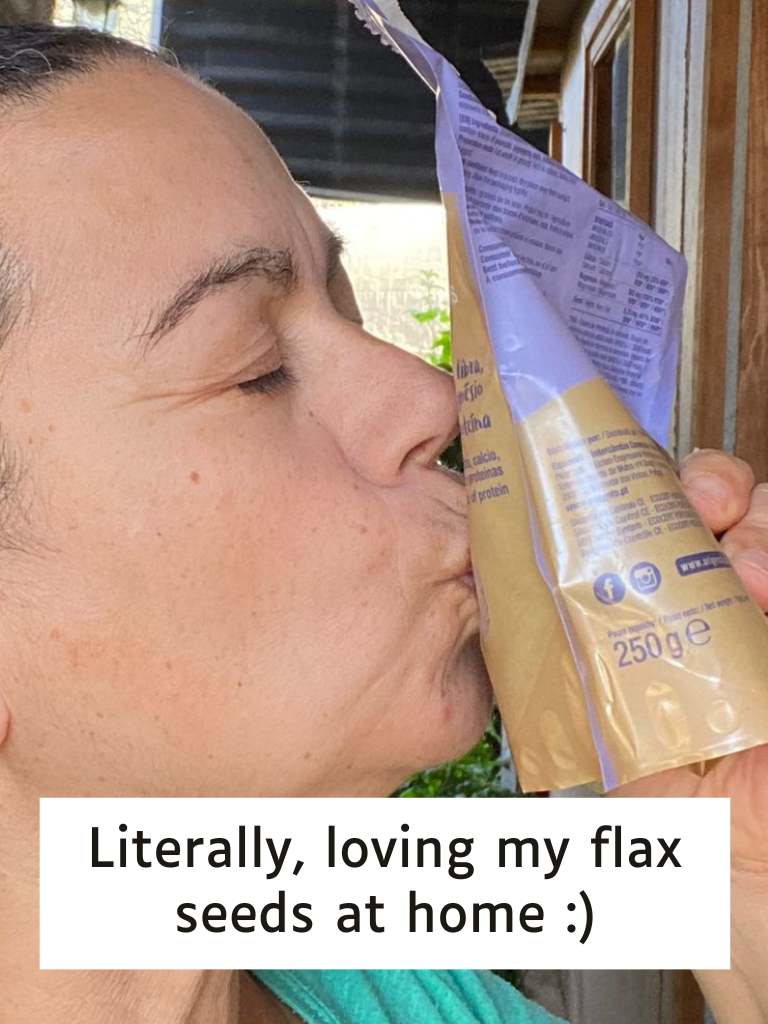
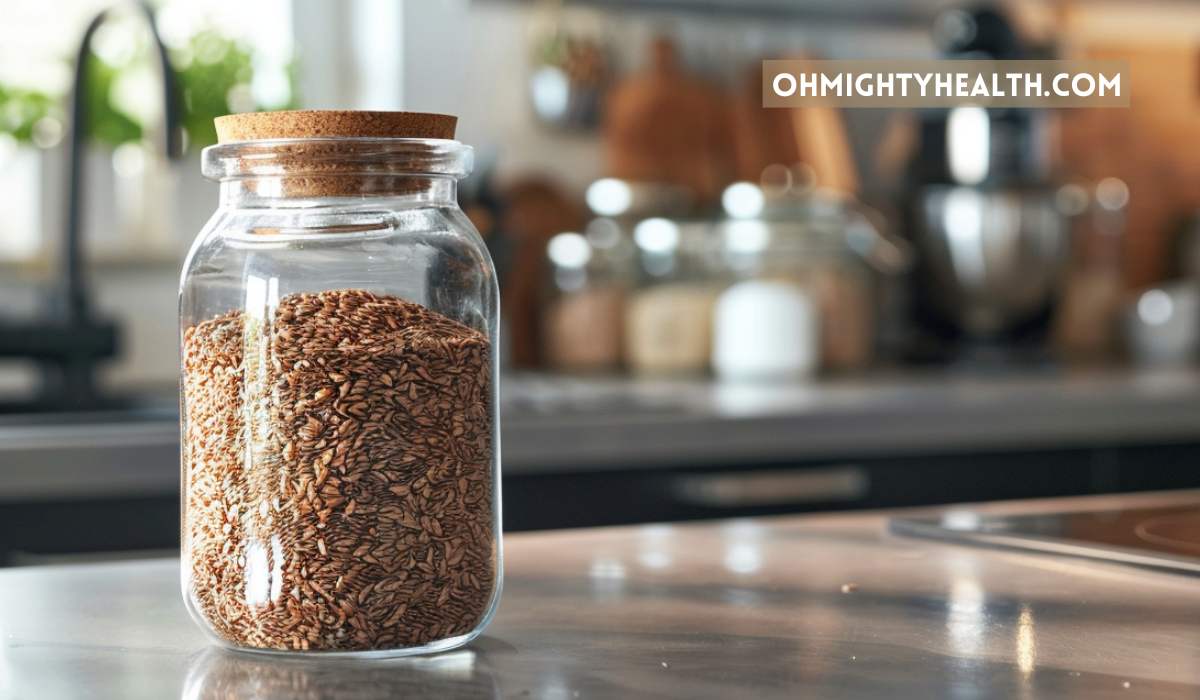
Every morning, I try to have omega-3. Either I take it as a herb (I grow purslane – Portulaca oleracea– which I add to my omelette in the mornings or I try to have a tablespoon of freshly ground flaxseed in my breakfast (check my post here on different ways to eat your flaxseeds).
And, yes, this matters. Your skin cell membranes are made of fatty acids. When you don’t get enough omega-3s, these membranes become rigid and can’t hold moisture properly. (Check the science here).
Research shows that omega-3 fatty acids reduce skin inflammation and improve barrier function. This means your skin stays hydrated and protected naturally.
The crucial bit most people miss is that the flaxseed needs to be freshly ground.
Whole flaxseeds pass through your system undigested. Pre-ground ones lose their potency within weeks (Check Mayo clinic on this). Grind your flaxseeds ladies. A coffee grinder is all you need. It takes 30 seconds and makes ALL THE DIFFERENCE.
If you don’t have a coffee grinder, a cheap one like this will do the job very nicely indeed.
The vitamin C strategy that actually works

Instead of expensive serums that degrade in their bottles, I eat vitamin C throughout the day.
My go-to sources:
- A handful of berries with breakfast (I try to stick to what’s in season if possible, at the moments I eat lots of mangoes which I grow but I understand not everyone can do this).
- Bell peppers in my salads (which I also grow at times)
- We have kiwis and passion fruits at home. Kiwi will give you about 92.7 mg of vitamin C per 100 grams and passion fruit contains approximately 30 mg of vitamin C per 100 grams, a lot less but we also grow them and hey, we’re talking thousands of passion fruits!)
Your skin uses vitamin C to build collagen from the inside out. When you eat it regularly, you’re giving your skin the raw materials it needs for repair and renewal. Makes sense, right?
The timing matters too. Vitamin C helps iron absorption, so I pair it with iron-rich foods like spinach or pumpkin seeds. And, yes, you guessed it, we grow both 🙂
The importance of hydration
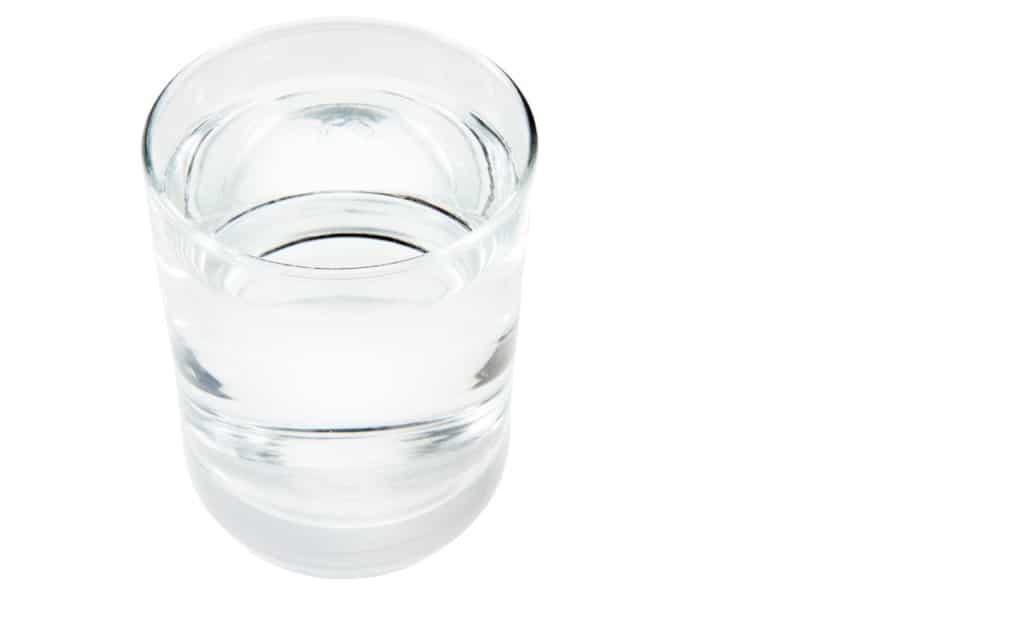
I drink a glass of room temperature water first thing every morning, before coffee, before anything else. WITHOUT FAIL.
Your skin is 64% water. After 7-8 hours without fluids, it’s genuinely dehydrated. That morning glass kickstarts your skin’s hydration for the entire day.
Don’t worry if you’re not used to it. When you do it for a while (it might take long, but this works, trust me) your body will crave that water first thing in the morning.
By the way, room temperature water absorbs faster than ice-cold water, which your body has to warm up before it can use it.
Simple? Yes. Effective? Absolutely.
Thing 2: I Protect My Skin Barrier Like It’s Sacred. Because it is.
Your skin barrier is everything.
Get this wrong, and no amount of expensive products will help.
Most people unknowingly damage their barrier daily, then wonder why their skin is sensitive, dry, or constantly breaking out.
Yes, mostly from so many layers of products that end up doing… well, not much. Read my article on simple skincare routines. It will help you.
I never, ever over-cleanse
This is probably the biggest mistake I see people make.
Your skin produces natural oils (sebum) to protect and moisturise itself. When you strip these away with harsh cleansers or cleanse too frequently, your skin panics and either:
- Produces more oil (yes, can lead to breakouts)
- Shuts down oil production (hence, dry, flaky skin)
My cleansing rule: Oil cleanse at night, water rinse in the morning.
That’s it.
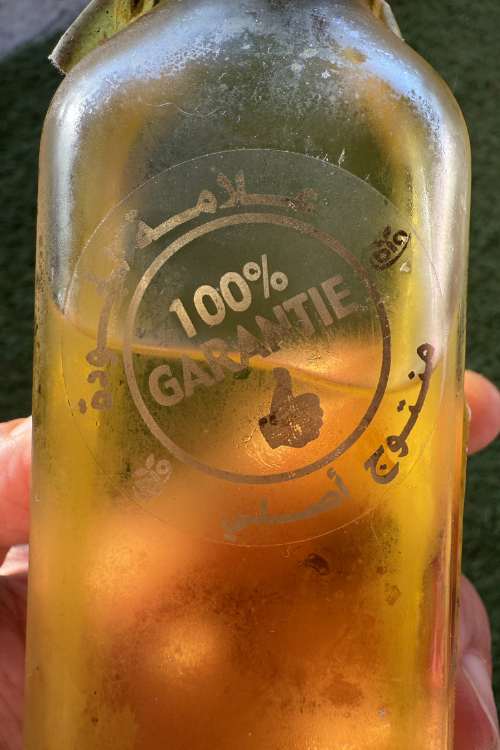
At night, I massage a teaspoon (you might prefer a few drops) of organic jojoba oil onto dry skin for 60 seconds. The oil dissolves grime, sunscreen if, and daily dirty without disrupting your natural pH balance.
In the morning, I splash my face with lukewarm water and pat dry. Sometimes I use my cleanser (a very mild surfactant that I absolutely love) but splashing with lukewarm water is great to do often.
This approach maintains your skin’s natural protective layer whilst still keeping it clean.
I layer moisture whilst my skin is damp
Here’s a trick that multiplies your moisturiser’s effectiveness: apply it to slightly damp skin.
Water draws moisture into your skin. Oil seals it in. When you layer them properly, you create what I call a “moisture sandwich” (hydration that should last all day).
A good evening routine:
- Oil cleanse (wipe with wet cloth)
- Pat face if needed (but leave it slightly damp)
- Apply a few drops of argan, rosehip, or your favourite oil whilst skin is still moist
- Seal with a tiny amount of shea butter if needed (very dry skin or harsh weather conditions)
The damp skin helps the oil penetrate deeper, and the oil prevents water from evaporating off your skin.
I protect my pH balance religiously
Your skin’s pH is around 4.5–5.5, so it’s slightly acidic. That acidity keeps bad bacteria from growing and helps your skin barrier lock in moisture and stay healthy.
Most conventional cleansers have a pH of 8-10 (very alkaline), which disrupts this protective acidity. It BOTHERS your skin, basically.
Use pH strips to test any new product before putting it on your face. Here’s inexpensive ones you can get. It’s worth it.

Natural options that maintain proper pH:
- Apple cider vinegar toner (diluted 1:4 with water)
- Rose water (it is naturally pH balanced)
- Fresh aloe gel (but you have to know how to make it yourself, store-bought will differ when it comes to pH)
When your skin’s pH is balanced, it can protect itself. When it’s disrupted, you’re fighting an uphill battle.
Thing 3: I Work WITH My Skin’s Natural Renewal Cycle
Your skin renews itself approximately every 28 days. Most people don’t know this cycle exists, let alone how to support it.
After the age of 40 to 50 this renewal process slows down significantly, the cycle may take 45 to 60 days or longer.
Understanding this rhythm can literally transform how you can care for your skin.
I time my exfoliation properly
Dead skin cells naturally shed as new ones form underneath. The problem happens when this process slows down (from age, stress, or harsh products), causing buildup that looks dull and feels rough.
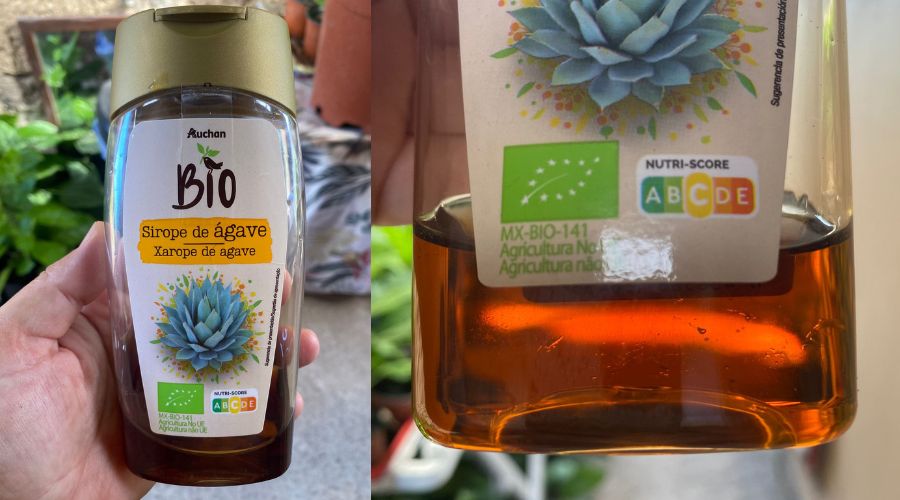
I exfoliate gently, once or twice a week, never more and many times I don’t.
My go-to exfoliant: equal parts fine sugar and agave. The sugar dissolves as I massage, providing gentle physical exfoliation. The agave adds hydration and a bit of stickiness, so it clings to the skin just long enough to soften and smooth without stripping away moisture.
I do this when I have time. Sometimes I just mix oats with a little bit of warm water. Just a touch is enough. I use this mix to exfoliate.
Oats will gently polish the skin while calming any irritation. They’re naturally soothing, so this simple scrub leaves my skin soft and comfortable without overdoing it.
I support nighttime repair
Your skin does most of its repair work whilst you sleep. Growth hormone peaks at night, cell division increases, and collagen production ramps up.
Sounds amazing.
So this is when I give my skin the richest, most nourishing ingredients.
My nighttime skin food:
- A few drops of organic rosehip oil (natural retinoids for cell turnover)
- A thin layer of pure shea butter (cinnamic acid esters for natural sun protection the next day – also please only buy organic and unrefined shea butter, here’s my recommendation)
- Sometimes a drop of vitamin E oil for extra antioxidant protection
I apply these to clean, slightly damp skin and let them work whilst I sleep.
I respect my skin’s monthly fluctuations
Just as your skin has a daily rhythm, it also follows monthly patterns (especially for women).
Week 1 (after your period): Skin tends to be clearest. Perfect time for any new products or gentle treatments.
Week 2: Oestrogen peaks, skin glows naturally. Maintain your routine.
Week 3: Progesterone rises, oil production increases. I add an extra cleansing step if needed.
Week 4 (before your period): Skin may become sensitive or break out. I keep things simple and gentle.
Working with these natural fluctuations instead of fighting them has eliminated most of my skin frustrations.
The Common Mistakes That Undermine Everything
Even when people know what to do, I see the same mistakes repeatedly:
Mistake 1: Changing products too often Your skin needs 4-6 weeks to show real improvement. Switching products every week creates chaos, not results.
Mistake 2: More is better mentality Your skin can only absorb so much. Layering 8 products doesn’t give you 8x the results. In fact, it often causes irritation.
Mistake 3: Ignoring your skin type’s actual needs Oily skin still needs moisture. Dry skin still needs gentle cleansing. Work with your skin type, don’t fight it.
Why These 3 Things Work (The Science Bit)
These approaches work because they support your skin’s natural functions instead of overriding them.
Feeding from within gives your skin the raw materials for healthy cell production and barrier repair.
Protecting the barrier maintains your skin’s ability to regulate moisture, pH, and protection against environmental damage.
Working with natural cycles optimises your skin’s own renewal and repair processes.
Research consistently shows that gentle, consistent care produces better long-term results than aggressive treatments or complex routines.
Your skin is remarkably good at maintaining itself when you give it what it needs and stop interfering with what it’s trying to do.
Getting Started: Your Simple Action Plan
Don’t try to implement everything at once. Pick one thing and make it a habit before adding the next.
Week 1-2: Start the morning flaxseed habit. Notice how your skin feels.
Week 3-4: Simplify your cleansing routine. Oil cleanse at night, water rinse in the morning.
Week 5-6: Add the moisture layering technique. Apply products to slightly damp skin.
Week 7-8: Introduce gentle exfoliation twice weekly.
Week 9+: Fine-tune based on what your skin is telling you.
3 Approaches, 1 Big Result!
Healthy skin isn’t complicated, but it is personal.
These three approaches: feeding from within, protecting your barrier, and working with natural cycles, form the foundation that everything else builds on.
No matter what products you use or treatments you try, these fundamentals need to be solid.
I’ve seen women transform their skin not by buying expensive products, but by understanding and supporting their skin’s basic needs.
Your skin wants to be healthy. Sometimes the kindest thing you can do is step back and let it do what it does best.
Trust the process. Be consistent. Listen to your skin.
The results will follow.
Love,
Patri xx
