

Argan Oil for Hair: Your Ultimate Guide (According to Skincare Formulator)
I’m obsessed with argan oil.
So obsessed that I wrote a long article about argan oil for hair below with everything you would ever want to know about the topic (and watch out for my argan oil for skin piece!).
For starters, I am crazy about the way it smells. And what it does to my hair… well, hm, how can I put it? It makes it SOFT like there’s no tomorrow. I’m not kidding… my hair feels LIKE SILK after I apply this oil.
Every single time, without fail.
This doesn’t happen with the other oils, so there’s something about this particular oil that stands out when it comes to hair.
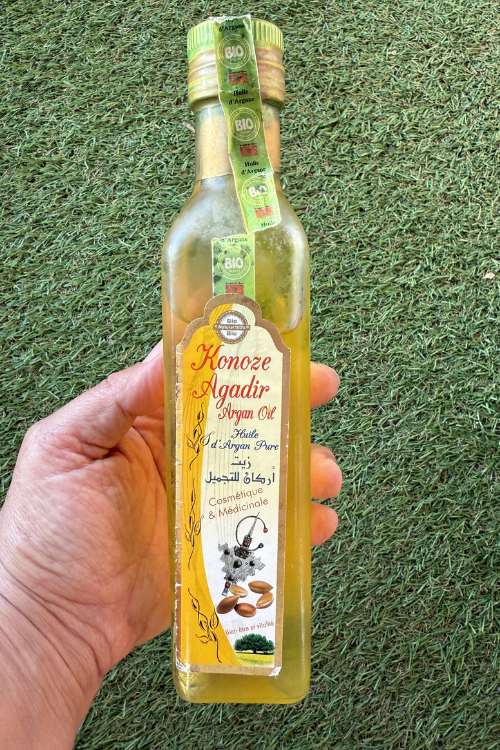
Honestly, it feels like liquid gold for your hair. You just have to try it.
But, you will be wondering many things like what hair type is it best for EXACTLY, how and when to use, can it be mixed, time of day, amounts, etc etc etc…
Well… find below the ultimate guide on how to use argan oil for hair.
Thank you very much.
DISCLAIMER: Yes, I do link to affiliate products below at no extra cost to you if you decide to purchase through my links.
Is Argan Oil the Best One for Your Hair?
Now, let’s get into why argan oil is seriously worth the hype.
First off, it’s not just about how it works, it’s about what it does.
This oil takes my hair from dull and argh to soft, silky, and full of life.
Like, FULL of life.
Frizz? Gone. Shine? Oh, it’s there. Protection from all the stuff life throws at your hair? In my experience, yes.
And it’s not just about looking good (though it does that brilliantly). It’s also about supporting your hair’s health: strengthening it, nourishing it, and helping it grow.
Argan oil has this magical way of making your hair feel alive again.
What’s in Argan Oil and Why It Works so Well with Your Hair
Check the components out below. Even if you’re not into this stuff as I am, it will give you a window on why it is that makes the oil work on hair so well.
- Oleic Acid (Omega-9): Locks in moisture, smooths the hair shaft, boosts shine.
- Linoleic Acid (Omega-6): Keeps hair hydrated and elastic, prevents breakage.
- Vitamin E (Tocopherol): Protects against damage, improves elasticity, adds a healthy shine.
- Squalene: Provides lightweight hydration and softness.
- Polyphenols: Antioxidants that minimise damage from free radicals, boost shine.
- Carotenoids: Protect hair from UV damage and maintain its natural strength and colour.
If you are into the chemical composition and want to learn more, check this scientific journal out.
Anyway, below you can find the exact amounts of each component to give you a clearer idea of the power of this oil:
| Component | Approximate Percentage | Benefits for Hair |
|---|---|---|
| Oleic Acid (C18:1) | 43–49% | Enhances hair’s suppleness and manageability by providing deep hydration. Frontiers |
| Linoleic Acid (C18:2) | 29–37% | Strengthens hair structure, promotes elasticity, and supports healthy hair growth. Frontiers |
| Palmitic Acid (C16:0) | 11.5–15% | Offers protective properties, contributing to hair’s smoothness and resilience. Frontiers |
| Stearic Acid (C18:0) | 4.3–7.2% | Provides conditioning effects, enhancing hair’s softness and sheen. Frontiers |
| Tocopherols (Vitamin E) | 0.06–0.09% | Acts as a potent antioxidant, protecting hair from environmental damage and promoting overall scalp health. Frontiers |
The real magic lies in the synergy of all these components. Argan oil works so well because its tocopherols, fatty acids, and other unsaponifiables (like squalene and carotenoids) work together to moisturise, protect, and repair.
FIND HERE THE ARGAN OIL I RECOMMEND.
Is Argan Oil the Best for YOUR Hair?
The answer is… it depends…
While argan oil is amazing for many hair types (more on that below), other oils are also very good.
The table below can help you decide—I’ve listed oils that are similar to argan oil, with notes on when they might be a better fit for your specific hair needs.
Here’s the updated table without castor oil and coconut oil:
| Oil | Best For | Key Benefits | Why Choose This Over Argan? |
|---|---|---|---|
| Argan Oil | Dry, frizzy, curly or damaged hair | Hydrates, reduces frizz, and protects from damage | Lightweight yet deeply nourishing; great for most hair types. |
| Jojoba Oil | Oily or fine hair | Balances sebum production, lightweight hydration | Ideal for scalp care and oily hair types since it mimics natural sebum. |
| Avocado Oil | Thick or over-processed hair | Rich in nutrients, deeply conditions | Better for extremely dry or coarse hair as it’s heavier than argan oil. |
| Sweet Almond Oil | Normal to dry hair | Softens, strengthens, and smooths | A lighter alternative for those who want hydration without the richness of argan oil. |
| Grapeseed Oil | Fine or thin hair | Lightweight moisture, adds shine | Perfect for finer hair types that need shine without weight. |
I hope this table makes it easier for you to choose what truly works for your hair type and needs.
Here’s How to Decide
- If you want a lightweight, versatile oil: Argan.
- If you need intense repair: Avocado.
- If you have fine or oily hair: Try jojoba or grapeseed oil for a lighter feel.
The best oil for your hair depends on your unique needs, but argan oil’s balance of hydration, protection, and lightweight feel makes it a standout choice for most!
FIND HERE THE ARGAN OIL I RECOMMEND.
Which Hair Types Benefit from Argan Oil
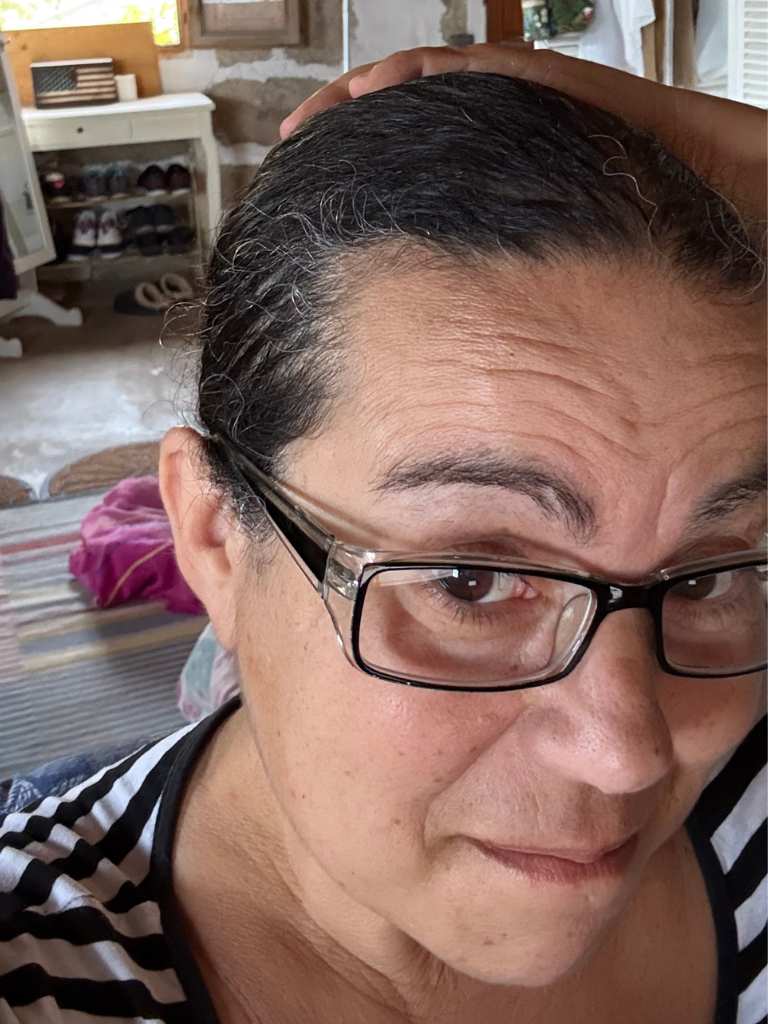
1. Highly beneficial for:
- Dry or damaged hair (mine is VERY dry): Argan oil offers deep hydration and repair from fatty acids and vitamin E
- Frizzy or coarse hair (mine is VERY frizzy): Tames flyaways and adds smoothness with antioxidants
- Coloured or chemically treated hair: Protects and restores using nourishing nutrients
- Curly or wavy hair (mine is curly): Defines curls and reduces frizz with lightweight moisture
2. Okay but not game-changing:
- Normal hair: Adds shine but may not show drastic results
- Oily hair: Can be used sparingly on ends to avoid weighing down
3. Not recommended for:
- Hair prone to build-up: Frequent use can overcoat strands and affect texture
- Fine or very thin hair: May feel too heavy and leave hair limp
Argan oil is PERFECT for dry, damaged, frizzy, or curly hair. It gives it the moisture and shine it craves, belive me.
(But if your hair is fine or tends to get build-up, it’s best to go easy with this oil to keep things balanced. Make sure to remember that).
Do I have to patch-test?
Yes! Even though argan oil is generally gentle, it’s always a good idea to patch tes, especially if you have sensitive skin or a history of allergies.
(Just dab a small amount behind your ear or on your inner wrist, wait 24 hours, and check for any redness or irritation. Better safe than sorry, trust me.)
How to Get Started (Step-by-Step Guide to Applying Argan Oil)
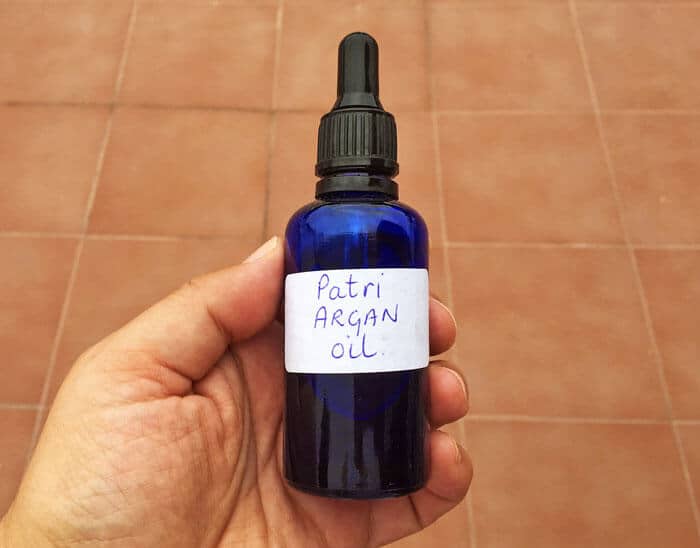
Once you’ve picked your argan oil (here’s the one I recommend), it’s time to learn how to use it.
So, how do you use argan oil? Let me break it down for you, step by step:
1. Apply a few drops to the ends after washing
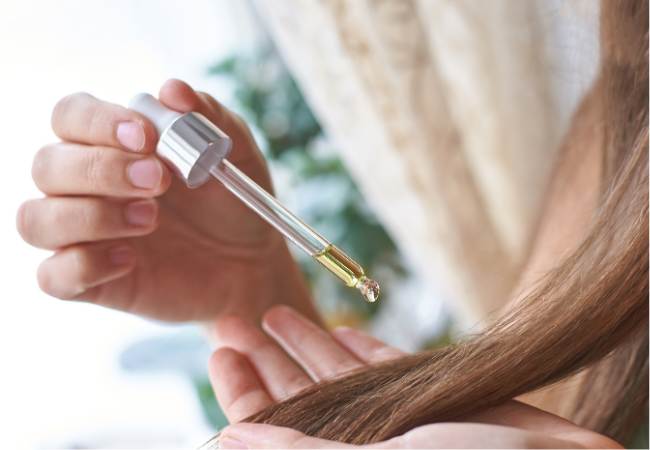
Once you’ve washed and towel-dried your hair, warm 2-3 drops of argan oil between your palms and gently run it through the ends of your hair. This little trick works wonders as a leave-in conditioner, locking in moisture, reducing frizz, and keeping your ends looking smooth and healthy. No need to rinse it out, let your hair dry naturally.
2. Massage it into damp hair before styling
Want that soft, glossy finish without the flyaways? Before you style, take a few drops, rub them between your hands, and work them through your damp hair, focusing on the mid-lengths and ends. This is the move to protect your hair from heat styling tools while adding shine and taming those wild bits. Bonus: It smells amazing.
3. Mix it into a hair mask for a deep treatment
Take your favourite hair mask (or DIY one—love a good avocado and banana moment!) and add 2-3 drops of argan oil to the mix. Apply it to your hair from roots to tips, wrap it in a shower cap, and let it sit for 20-30 minutes. This little addition supercharges the mask, giving your hair an extra dose of hydration and nourishment. Rinse out, and voilà, silky, shiny hair!
4. Use it as an overnight treatment
Feeling like your hair needs a serious pick-me-up? Coat your strands in argan oil before bed—just a few drops for fine hair or more for thicker hair. Focus on the mid-lengths and ends, then wrap your hair in a silk scarf or use a satin pillowcase to avoid the mess. When you wake up? Your hair will feel soft, hydrated, and completely transformed.
OR… you could do all of the above, depending on what your hair needs! The beauty of argan oil is how versatile it is—it can fit into your routine however you like. Experiment, find what works best for you, and let your hair soak up all the goodness.
FIND HERE THE ARGAN OIL I RECOMMEND.
By the way, you might be interested in these other articles of mine on argan oil, they’ll be very helpful if you’re interested in this oil:
- Why I’ll Never Be Without Argan Oil: 12 Reasons You’ll Love It Too!
- How to Use Argan & Rose Oils for Premature Ageing (VERY SIMPLE!)
- This DIY Argan Oil Serum Is the Secret to Frizz-Free Hair!
Pairing Argan Oil with Essential Oils
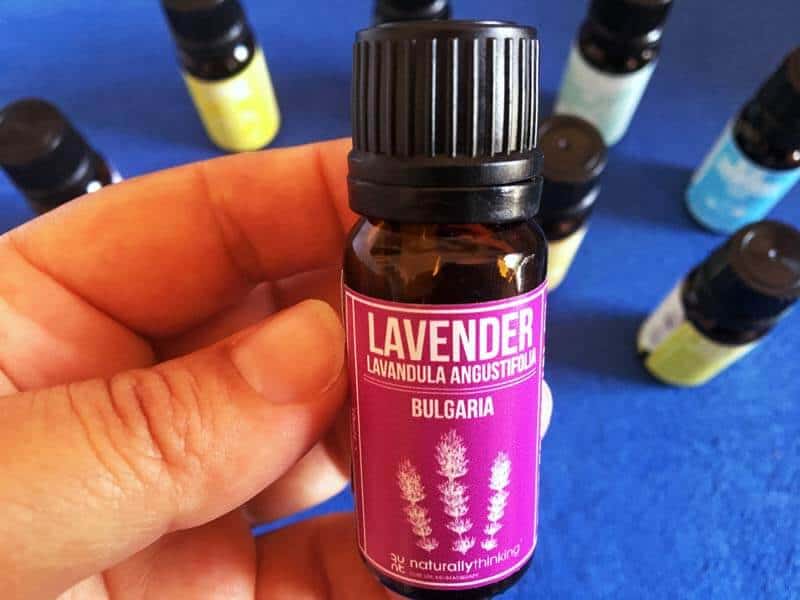
**Check below this article I have fantastic DIY mixes for you!!
If you want to take your argan oil game to the next level, pairing it with essential oils is a brilliant idea.
Not only does this add a subtle fragrance to your hair, but it also boosts the benefits of the oil, depending on which essential oils you choose. Here are some combos to try:
- For an irritated scalp: Pair argan oil with tea tree oil to help calm itchiness and reduce dandruff.
- For dry, brittle hair: Add a drop of lavender oil or sandalwood oil to your argan oil. Both are fantastic for hydration and soothing the scalp.
- For hair growth: Mix in a drop of rosemary oil or peppermint oil. These oils are known for stimulating blood flow to the scalp, which can support healthier hair growth.
- For frizz control: A drop of ylang-ylang oil works wonders for smoothing the hair and keeping it soft and shiny.
How to use these blends
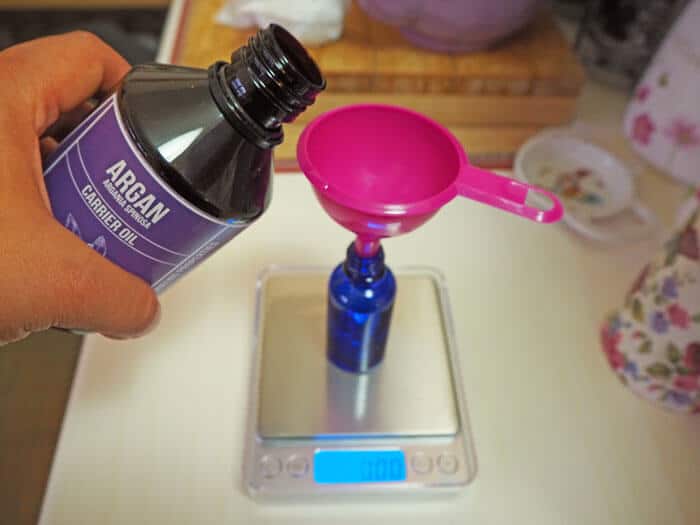
Mix 1-2 drops of your chosen essential oil with a few drops of argan oil in your palm. Rub your hands together to blend, then apply it to the mid-lengths and ends of your hair. For scalp treatments, massage it in gently and leave it on for 15-30 minutes before washing as usual.
Essential oils add an extra layer of customisation to your haircare routine, so you can really make your argan oil work for your specific needs. Plus, it smells amazing!
Pairing Argan Oil with Carrier Oils
Argan oil is incredible on its own, but when you pair it with other carrier oils, you can create a customised blend that suits your hair’s unique needs even better. Each oil brings its own benefits to the table, making the combo even more effective.
Here’s how to mix and match (you can do a 50/50 mix):
- For ultra-dry hair: Combine argan oil with coconut oil. Coconut oil penetrates the hair shaft deeply, locking in moisture, while argan oil smooths and protects the outer layer. This combo is a hydration powerhouse.
- For fine or thin hair: Mix argan oil with grapeseed oil. Grapeseed oil is much lighter, so it balances out argan’s richness, leaving your hair soft without weighing it down. Perfect for a lightweight shine boost.
- For damaged or over-processed hair: Pair argan oil with avocado oil. Avocado oil is packed with nutrients like biotin and vitamin D, which strengthen brittle hair and support repair. Together, they’re a dream team for reviving stressed-out strands.
- For oily hair: Blend argan oil with jojoba oil. Jojoba is similar to your scalp’s natural oils, so it helps balance sebum production while argan oil nourishes without adding extra grease.
How to Mix
Start with a 1:1 ratio—equal parts argan oil and your chosen carrier oil. You can adjust the amounts based on your hair type (for finer hair, use more of the lighter oil).
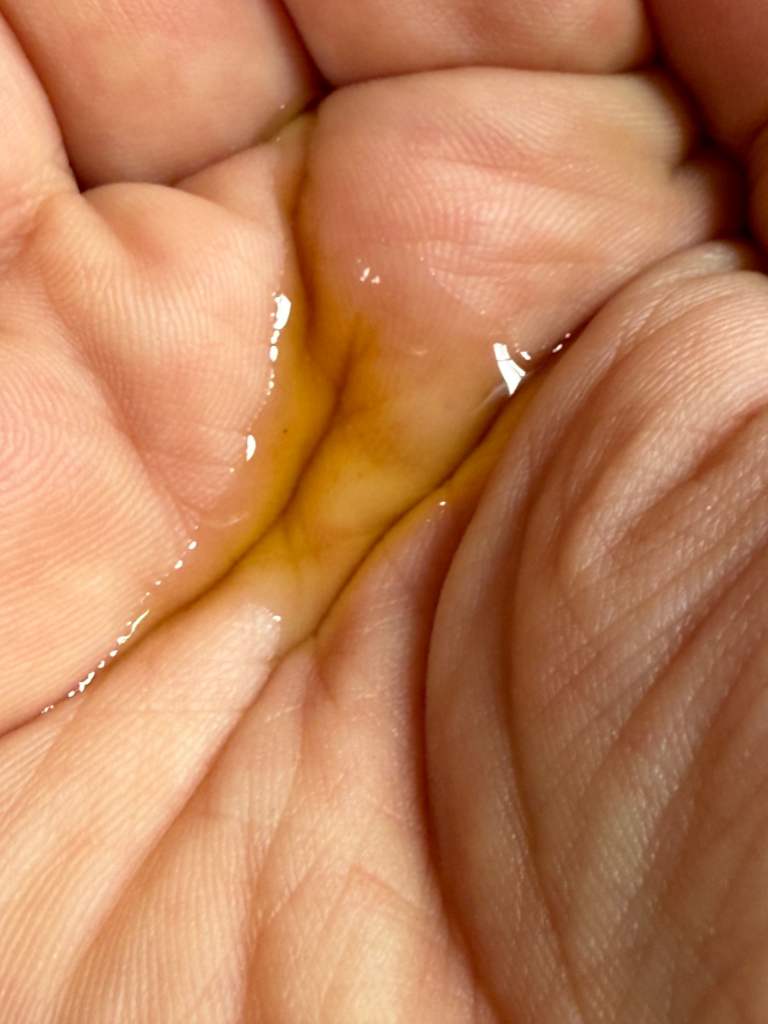
Mix the oils in your palm or a small bowl, then apply to your hair as you normally would.
What’s the Best Option for Beginners: Use It Alone, Create a DIY Blend, or Add Essential Oils?
If you’re new to argan oil, it’s totally normal to feel a bit unsure about where to start. Should you keep it simple or go all out with custom blends?
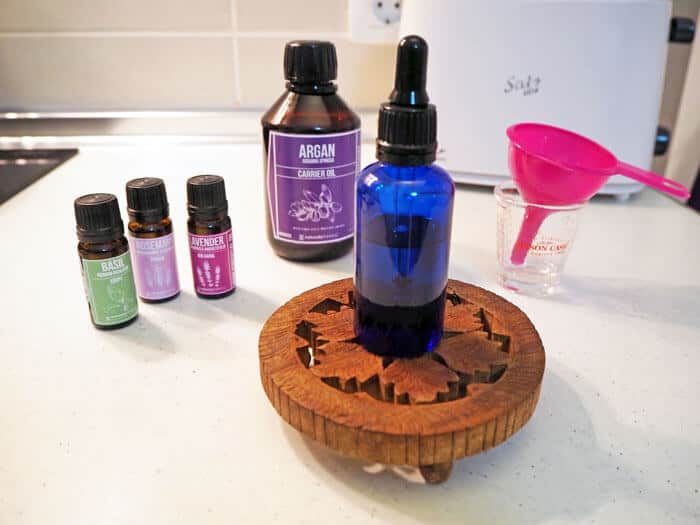
Here’s how to decide:
- On its own: This is the easiest and safest option for beginners. Just a few drops of pure argan oil applied to your hair (mid-lengths to ends) can work wonders. It’s lightweight, non-greasy, and you’ll instantly see the difference in softness and shine. Perfect for keeping things fuss-free!
- DIY oil blend: If you’re ready to experiment a little, mixing argan oil with another carrier oil (like coconut or jojoba) can give your hair a boost tailored to its needs. For example, add coconut oil for deep hydration or grapeseed oil for a lighter finish. Start with a simple 1:1 ratio to see how your hair responds.
- With essential oils: Feeling adventurous? Adding a drop of essential oil to your argan oil can target specific concerns. Rosemary or peppermint for hair growth, tea tree for an irritated scalp, or ylang-ylang to tame frizz. Just remember to dilute the essential oil properly—1-2 drops per tablespoon of argan oil is a good starting point.
If you’re a total newbie, start with pure argan oil on its own to get a feel for how your hair responds. Once you’re comfortable, try experimenting with blends and essential oils to level up your routine. Keep it simple and enjoy the process—it’s all about finding what works best for you!
How Often Should You Use Argan Oil?
The frequency of use depends on your hair type, condition, and how you’re applying it. Here’s a quick guide to help you make the most of argan oil without overdoing it:
1. For Dry or Damaged Hair
- How often: 2-3 times a week.
- Why: Regular use helps restore moisture, repair damage, and protect your hair from further dryness.
- How to use: Apply a few drops to damp hair after washing or use as a leave-in treatment for the ends.
2. For Normal Hair
- How often: 1-2 times a week.
- Why: Helps maintain softness, shine, and overall health without weighing your hair down.
- How to use: Apply sparingly to mid-lengths and ends for a lightweight finish.
3. For Oily Hair
- How often: Once a week or as needed.
- Why: Too much can weigh down oily hair, so use it sparingly to keep it balanced.
- How to use: Focus on the ends and avoid the roots entirely.
4. For Scalp Treatments
How to use: Mix argan oil with an essential oil (like rosemary or tea tree), massage into the scalp, and leave for 15-30 minutes before washing it out.
How often: Once a week or every two weeks.
Why: Helps nourish the scalp, reduce dandruff, and encourage hair growth without overloading.
FIND HERE THE ARGAN OIL I RECOMMEND.
Can You Use Argan Oil Daily?
Yes, but only in small amounts and on certain hair types. For dry or frizzy hair, a tiny amount on the ends daily can help keep it smooth and manageable. However, if your hair tends to get oily or feels heavy, stick to occasional use to avoid build-up.
Night vs Day: When’s the Best Time?
- Daytime Use: Use a small amount to tame frizz, add shine, or protect hair from environmental stress. Perfect before styling!
- Nighttime Use: Apply more generously as a deep-conditioning treatment. Leave it overnight and rinse in the morning for silky results.
The key is to listen to your hair: always start with less, adjust as needed, and let argan oil do its thing.
Essential Oils to Mix with Argan Oil and Their Benefits
Here’s a handy list of essential oils, what they bring to your haircare routine, and how to dilute them properly:
1. Rosemary Oil Because it Promotes Hair Growth
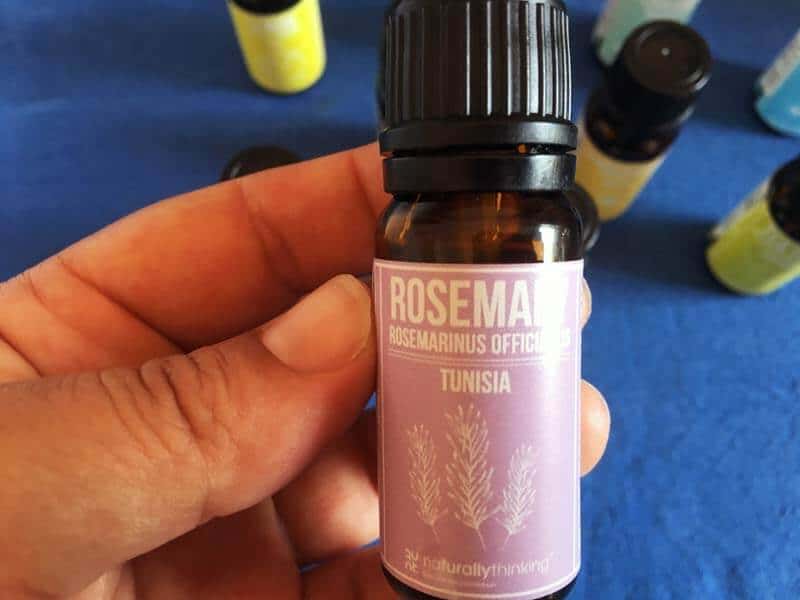
Benefits: Stimulates blood flow to the scalp, promoting hair growth and reducing hair thinning.
Dilution: 1-2 drops per tablespoon of argan oil. Massage into the scalp and rinse after 30 minutes.
2. Peppermint Oil Because it Refreshes the Scalp
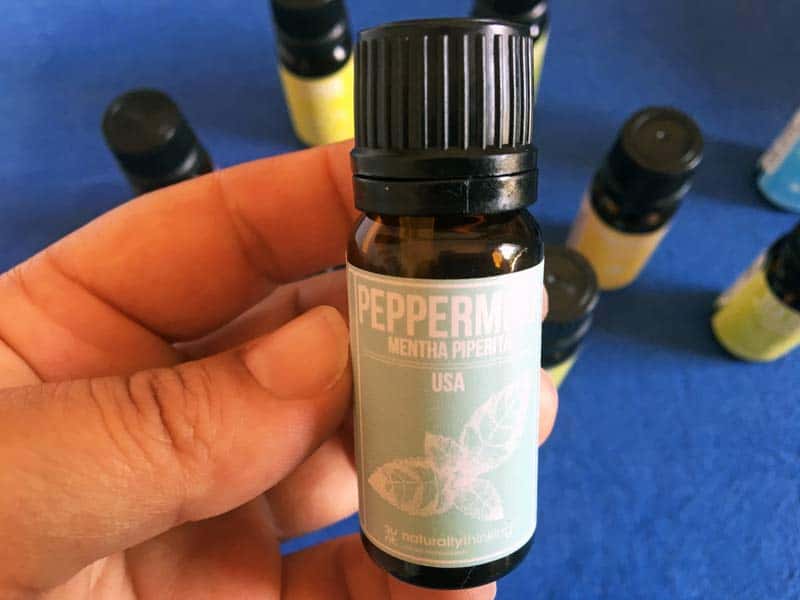
Benefits: Refreshes the scalp, soothes itchiness, and can help with hair growth by improving circulation.
Dilution: 1 drop per tablespoon of argan oil. Perfect for scalp massages.
3. Tea Tree Oil Because it Fights Dandruff
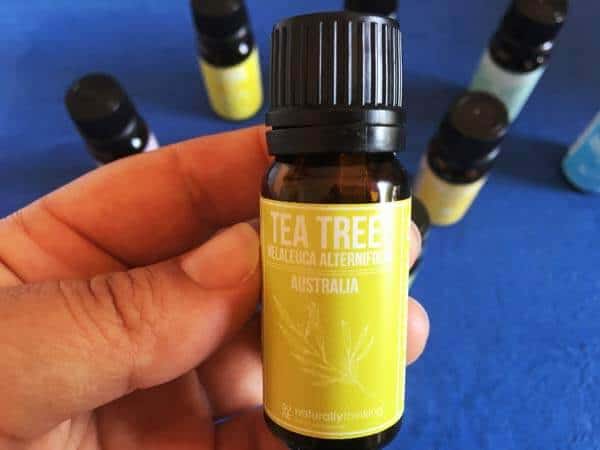
Benefits: Fights dandruff, soothes irritation, and helps reduce scalp build-up with its antibacterial properties.
Dilution: 1 drop per tablespoon of argan oil. Apply to the scalp for 15-30 minutes before shampooing.
4. Lavender Oil Because it Calms the Scalp
Benefits: Calms the scalp, reduces dryness, and can help with hair growth by improving overall scalp health.
Dilution: 1-2 drops per tablespoon of argan oil. Ideal as a leave-in treatment.
5. Ylang-Ylang Oil Because it Adds Shine and Softness
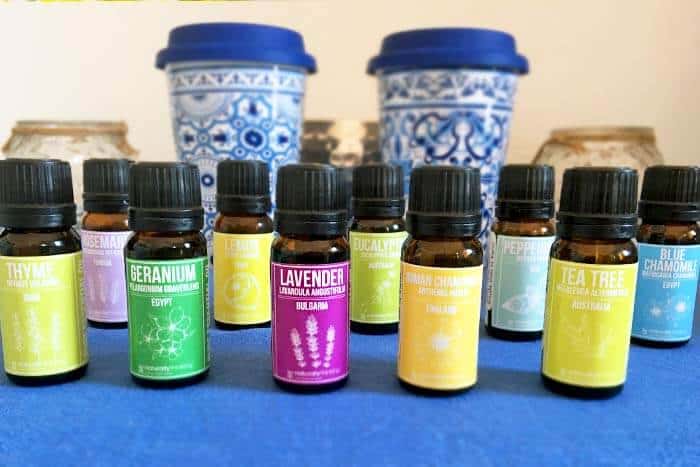
Benefits: Adds softness and shine while taming frizz. Great for dry or coarse hair.
Dilution: 1-2 drops per tablespoon of argan oil. Apply to hair mid-lengths and ends.
6. Chamomile Oil Because it Soothes Sensitive Scalp
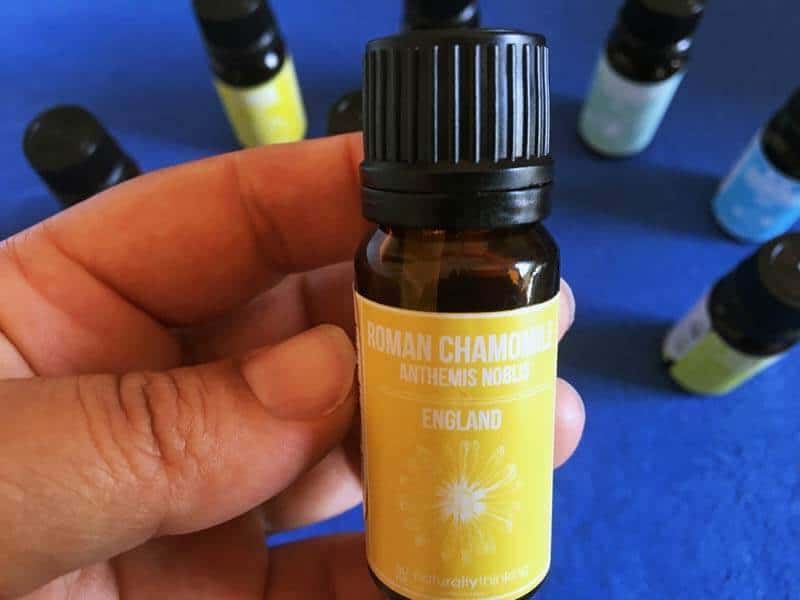
Benefits: Soothes a sensitive scalp, reduces inflammation, and adds natural highlights to lighter hair tones.
Dilution: 1-2 drops per tablespoon of argan oil. Use as a leave-in for the ends or scalp.
7. Cedarwood Oil Because it Balances Scalp Oils
Benefits: Balances oil production on the scalp, promotes hair growth, and reduces dandruff.
Dilution: 2 drops per tablespoon of argan oil. Great for oily hair types.
8. Geranium Oil Because it Strengthens Hair
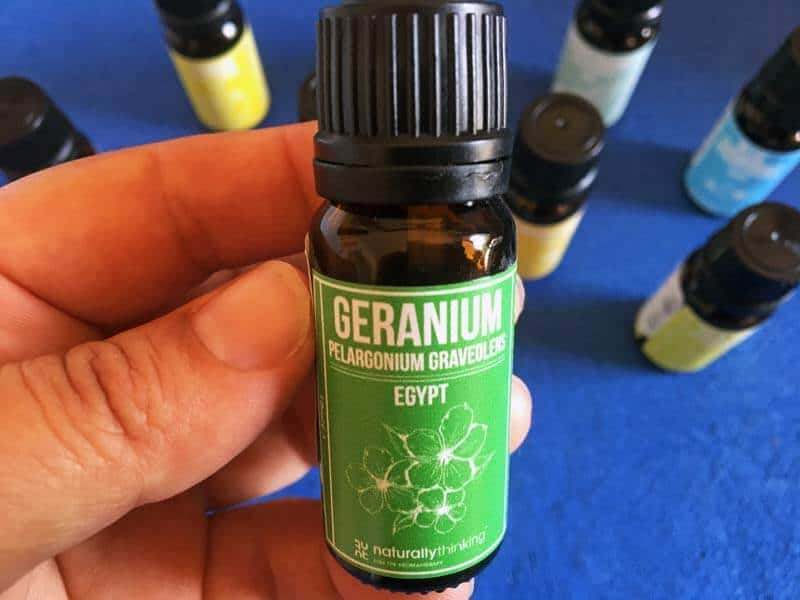
Benefits: Strengthens hair, improves shine, and helps balance scalp oils.
Dilution: 1-2 drops per tablespoon of argan oil. Use as a mid-length and end treatment.
9. Lemongrass Oil Because it Reduces Dandruff
Benefits: Reduces dandruff and improves overall scalp health.
Dilution: 1 drop per tablespoon of argan oil. Focus on the scalp for a quick refresh.
**Quick Dilution Guidelines**
- For scalp treatments: Use 1 drop of essential oil per tablespoon of argan oil. Massage gently and rinse after 15-30 minutes.
- For hair ends or mid-lengths: Use 1-2 drops of essential oil per tablespoon of argan oil and leave in.
- For leave-in treatments: Stick to 1 drop per tablespoon to keep it light and gentle.
Essential oils are a great way to customise your argan oil routine, but always patch test first to ensure your scalp and hair agree with your blend!
I Help You Choose the Best Argan Oil
Choosing the right argan oil for hair can be tough with so many options. I’ve found that quality, packaging, and price are key. These factors are important when picking a product.
So, what makes a good argan oil product? Look for certifications like organic or pure argan oil. These ensure the oil is top-notch and free from additives. Reading reviews can also help you understand a product’s effectiveness and benefits.
Here are some things to consider when choosing an argan oil product:
- Check the ingredient list to ensure it’s 100% argan oil
- Look for products that are cold-pressed and extracted without heat
- Consider the price – while cheaper options may be tempting, they may not be of the same quality as more expensive products
By carefully choosing a high-quality argan oil product, you can enjoy its benefits. You’ll get the healthy, beautiful hair you’ve always dreamed of. The right product can make your hair soft and silky, saying goodbye to dryness and damage.
FIND HERE THE ARGAN OIL I RECOMMEND.
Here are the common mistakes to avoid by the way
Using argan oil is pretty straightforward, but there are a few things to watch out for so you don’t end up with greasy hair or lacklustre results:
- Using too much oil. Trust me, a little goes a long way! Argan oil is rich and concentrated, so start with just a couple of drops. You can always add more if needed, but overdoing it will leave your hair looking oily rather than silky.
- Applying it to your roots. This is where most people go wrong. Unless you’re using it as a scalp treatment, stick to applying argan oil to the mid-lengths and ends of your hair. Putting it on your roots can weigh them down and make your scalp greasy.
- Not checking the quality of the oil. Not all argan oils are created equal! Look for one that’s labelled as 100% pure, organic, and cold-pressed for the best results. Some products contain fillers or silicone, which won’t give you the same benefits. Always read the label!
You might be interested in these other articles I wrote on argan oil:
- Can Argan Oil Cause Acne? Understanding Clogged Pores and Argan Oil’s Effects
- Why Argan Oil is Not Suitable for Fungal Acne
What You Should Expect from Regular Use
Exploring argan oil for hair growth is exciting. I’ve found out what regular use can do. You’ll see your hair become luscious and healthy.
1. Short-Term Benefits
- Softer hair instantly: You’ll notice smoother, silkier strands after just one use.
- Tamed frizz: Say goodbye to flyaways and hello to sleek, manageable hair.
- Added shine: Hair looks glossy and vibrant without feeling greasy.
- Moisture boost: Dry or brittle ends feel hydrated and healthier right away.
2. Long-Term Benefits
- Stronger hair: With regular use, argan oil helps repair damage and reduce breakage.
- Improved scalp health: Keeps dryness, itchiness, and dandruff at bay.
- Enhanced elasticity: Hair becomes more resilient, reducing split ends and damage from styling.
- Steady growth: By nourishing your scalp and strands, argan oil supports healthier, fuller-looking hair over time.
Regular use of argan oil is like giving your hair a long-term spa treatment, it gets better and better the more you use it.
How to Store Argan Oil and Its Shelf Life
Proper storage is key to keeping your argan oil fresh and effective. Here’s everything you need to know:
Storage Tips…
- Keep it cool and dark: Store argan oil in a cool, dry place, away from direct sunlight. Heat and light can break down its nutrients and reduce its effectiveness.
- Use a tinted bottle: Most high-quality argan oils come in amber or dark glass bottles to protect the oil from UV damage. If yours doesn’t, transfer it to one.
- Seal it tight: Always ensure the bottle is tightly closed after use to prevent air from getting in, which can cause oxidation and spoilage.
About Shelf Life
- How long it lasts: Pure argan oil typically has a shelf life of 1-2 years, depending on how it’s stored.
- Signs it’s gone bad: If the oil smells sour, has changed colour, or feels sticky, it’s time to toss it. Fresh argan oil has a light nutty smell and a smooth consistency.
Here’s a Pro Tip
If you’re not using your argan oil frequently, you can store it in the refrigerator to extend its shelf life. Just bring it to room temperature before use.
Check for Authenticity Verification!!
With many argan oils out there, checking authenticity is vital. Look for USDA Organic or ECOCERT labels. Also, check the ingredients to make sure it’s pure argan oil. This ensures you get a quality product.
FIND HERE THE ARGAN OIL I RECOMMEND.
So, Is Argan Oil Worth It?
Absolutely. If there’s one thing I’ve learned, it’s that argan oil really is as good as people say.
It softens, smooths, adds shine, and actually makes your hair healthier over time.
That’s a lot for one little bottle.
The fatty acids and antioxidants in argan oil do the heavy lifting, and when used properly (just a few drops, trust me!), the results are visible.
Still not sure? Start small. Use it alone, mix it with your favourite oils, or add a touch of essential oil for something custom. You’ve got all the info you need above. The key is finding what works for your hair and sticking with it.
Love,
Patri ❤️❤️
Time for the FAQs!
1. What makes argan oil special for hair?
Argan oil is packed with antioxidants, essential fatty acids, and vitamin E. These ingredients nourish and protect your hair. They make it soft, silky, and full of life. It also promotes hair growth, reduces frizz, and protects against environmental damage.
2. How does argan oil’s hair-healing properties work?
Argan oil’s antioxidants and fatty acids repair and restore damaged hair. It locks in moisture, reduces inflammation, and promotes healthy hair growth.
3. What are the key benefits of using argan oil for hair?
Argan oil moisturises and hydrates your hair. It protects against environmental damage, strengthens and repairs, and improves scalp health.
4. How do I choose the best argan oil products for my hair?
Look for quality, packaging, and price when choosing argan oil. Opt for organic or pure argan oil. Read reviews to ensure high quality.
5. How do I properly apply argan oil to my hair?
You can use argan oil in pre-shampoo treatments, leave-in applications, or hot oil treatments. Use the right amount and apply at the right time for best results.
6. How do I match argan oil usage to my specific hair type?
Your hair type affects argan oil usage. Dry and damaged hair may need more oil. Oily or fine hair may need less. Experiment to find what works best for you.
7. What are the common mistakes to avoid when using argan oil?
Avoid using too much oil, applying at the wrong time, and choosing low-quality products. Follow dosage guidelines and choose quality products for the best results.
8. How can I combine argan oil with other hair care products?
Argan oil can be used alone or with other products like shampoos and conditioners. Mixing it with natural ingredients can enhance its benefits and create a customised routine.
9. What kind of results can I expect from regular use of argan oil?
Regular use of argan oil improves moisture, hydration, and hair growth. It reduces frizz and makes hair healthier and more vibrant. Consistency is key to seeing results.
10. How can I maximise the benefits of argan oil with professional stylist tips?
Stylists suggest using argan oil as a pre-shampoo treatment or adding it to hair masks. Experiment with different methods to get the most from this powerful ingredient.
11. How do I address common concerns about argan oil usage?
Address concerns about oil weight, hair type, storage, shelf life, and authenticity. Choose high-quality products for the best results.
Research
1. Bejaoui M, Taarji N, Saito M, Nakajima M, Isoda H. Argan (Argania Spinosa) press cake extract enhances cell proliferation and prevents oxidative stress and inflammation of human dermal papilla cells. Journal of Dermatological Science [Internet]. 2021 [cited 2025 Jul 29]; 103(1):33–40. Available from: https://www.sciencedirect.com/science/article/pii/S0923181121001316.
2. Gharby S, Charrouf Z. Argan Oil: Chemical Composition, Extraction Process, and Quality Control. Front Nutr [Internet]. 2022 [cited 2025 Jul 29]; 8:804587. Available from: https://www.ncbi.nlm.nih.gov/pmc/articles/PMC8850956/.
3. Sharifi N, Hamedeyazdan S, Shokri J, Monajjemzadeh F. Argan oil as a pretreatment of human hair before exposure to oxidative damage: Attenuated total reflectance and protein loss studies. J Cosmet Dermatol. 2022; 21(10):5010–7.
4. Faria PM, Camargo LN, Carvalho RSH, Paludetti LA, Velasco MVR, Gama RM da. Hair Protective Effect of Argan Oil (Argania spinosa Kernel Oil) and Cupuassu Butter (Theobroma grandiflorum Seed Butter) Post Treatment with Hair Dye. Journal of Cosmetics, Dermatological Sciences and Applications [Internet]. 2013 [cited 2025 Jul 29]; 3(3):40–4. Available from: https://www.scirp.org/journal/paperinformation?paperid=36776.
