

Hair growth tips that actually work (and the ones that don’t)
If you’ve spent any time on social media lately, you’ll have seen the promises. Grow your hair two inches in a month. Extreme hair growth overnight.
A spray you mix in your kitchen that outperforms anything in a salon.
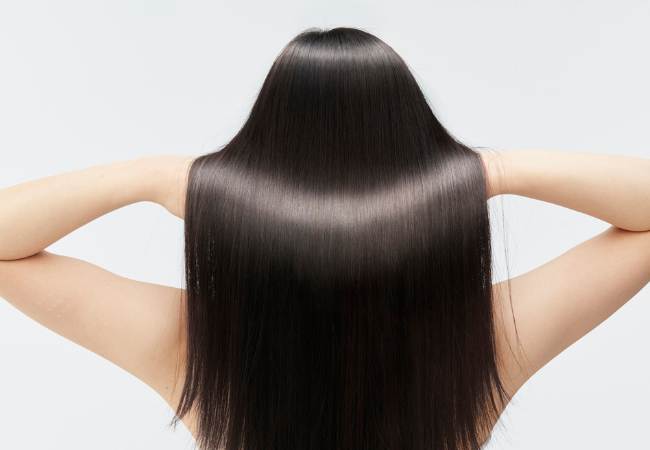
I get why it’s tempting. I really do. But as a formulator, I have to be honest with you: most of what’s circulating right now isn’t hair growth advice. It’s hope, dressed up as a tutorial.

So here’s what I want to do instead. I’m going to walk you through natural hair growth tips that are actually grounded in something real, be upfront about what the evidence does and doesn’t support, and give you a routine you can stick to without chasing miracles.
Because CONSISTENCY, not intensity, is what your hair actually responds to. Trust me.
This post contains Amazon affiliate links. If you purchase through one, I may earn a small commission at no extra cost to you.
Why “extreme hair growth” claims don’t add up
Here’s the bit nobody puts on the pin: hair grows in cycles, not in straight lines.
Each strand spends years in a growth phase (anagen), a few weeks winding down (catagen), then months resting before it sheds and a new one takes its place (telogen). On average, hair grows around half an inch to just over half an inch a month.
That’s biology, not a lack of effort on your part.
So when a pin claims “grow hair in one week” or “triple your growth overnight,” it’s not describing a faster growth rate. It’s usually describing:
- Less breakage, so existing length stops snapping off and looks longer
- A gentler haircare routine, so hair simply retains what it already grew
- Swelling or plumping from a product, which fades once you stop using it
None of that is dishonest exactly. It’s just not what “growth” means. And once you know the difference, you can stop chasing the wrong thing.
Hair growth tips for faster, more consistent results
If you want hair growth tips that work faster, the honest answer is: nothing works instantly, but some things genuinely support the process. Here’s where I’d put my energy.
1. The two minute scalp habit worth stealing
Your follicles need blood flow to do their job well.
A two to three minute scalp massage with your fingertips (or a soft silicone brush) before bed is one of the simplest, lowest-risk habits you can build.
It costs nothing and takes less time than most things in life!
2. Rosemary oil: the one that’s actually earned its reputation
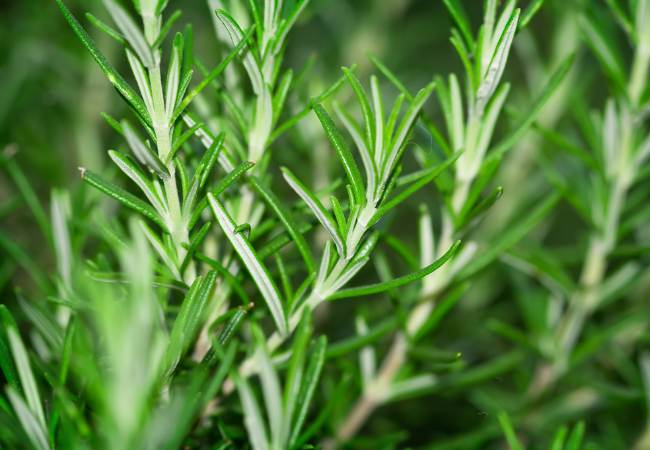
This is the one ingredient from your screenshots I’d actually stand behind. A well-known 2015 randomised trial compared rosemary oil with 2% minoxidil in 100 people with pattern hair loss over six months.[1] Both groups showed no significant change in hair count at three months, but a significant increase at six months compared with baseline, with no meaningful difference between the two treatments at either point. Scalp itching was actually more common in the minoxidil group. That’s a genuinely promising result, but it’s one study of 100 people, not a guarantee. Give it a full six months before deciding whether it’s working for you.
To use it: dilute 3 to 5 drops of rosemary essential oil into 2 tablespoons of jojoba oil (get it here) and massage into your scalp two to three times a week.
3. The unglamorous tip that beats every serum on this list
This sounds boring, but it’s where most “long hair growing tips” content misses the point entirely. Loose braids instead of tight ones. A microfibre towel or old t-shirt instead of rough terry cloth. Reducing heat styling where you can.
None of this makes hair grow faster, but it stops you losing length to breakage, which is often what people are actually chasing when they search for growth tips.
Natural hair growth tips at home: what’s worth your kitchen cupboard
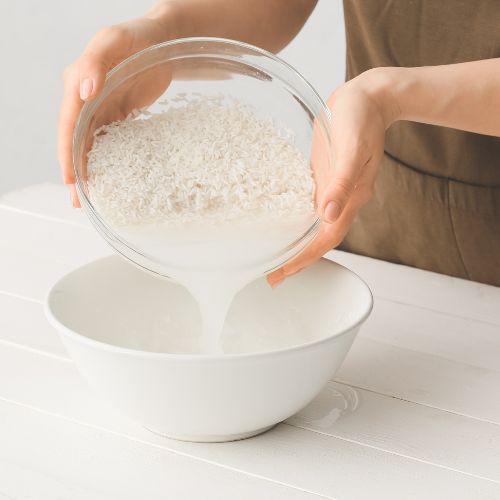
A lot of the “at home” trends in your screenshots (onion juice, rice water, fenugreek sprays) are genuinely old remedies with cultural roots, not internet inventions.
I don’t want to dismiss them. But I do want to separate tradition from proof.
1. Castor oil: the myth I have to gently bust
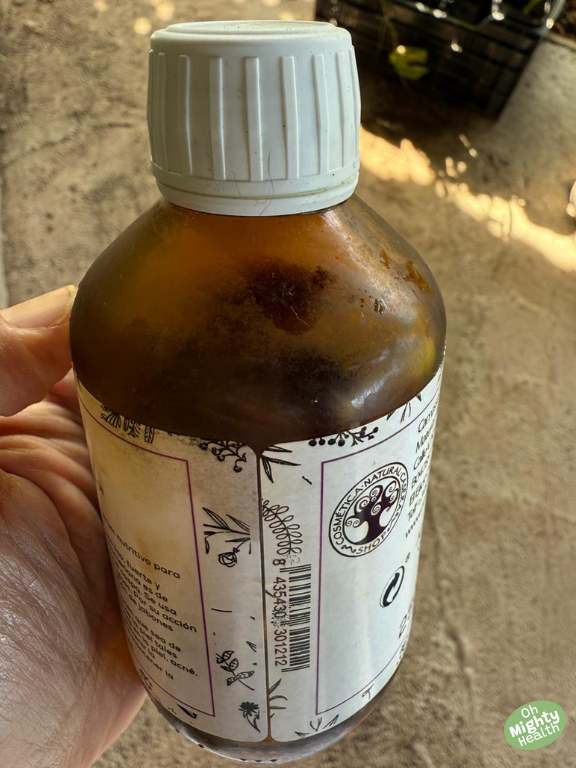
This is the one I get asked about the most, and it pains me a little to say it: the evidence for castor oil growing hair simply isn’t there. A 2022 systematic review looking at coconut, castor and argan oil found only weaker evidence for castor oil improving hair quality by increasing shine, and no strong evidence supporting its use for hair growth.[2]
What it’s genuinely good at is conditioning: its thick, occlusive texture coats the hair shaft, reduces friction, and can make hair feel less prone to snapping.
So use castor oil (get it here) as a conditioning treatment, not a growth serum, and you’ll get exactly what it’s capable of giving you.
2. Rice water and onion juice: tradition, not proof
Both have loyal followings and long folk histories, but neither has the kind of controlled human trial data that rosemary oil has. Onion juice in particular can irritate sensitive scalps, so patch test first. If you enjoy the ritual and it’s not upsetting your skin, there’s no harm in it. Just hold your expectations loosely.
3. The scalp scrub that clears the way for growth
This one I like for a different reason. It’s not a growth stimulant, but it gently lifts product buildup and excess oil from the scalp, which keeps follicles from sitting under a layer of gunk.
Mix a tablespoon of bentonite clay (get it here) with enough water to form a paste, work it into damp hair at the roots, leave for five minutes, then rinse thoroughly.
Thick hair growth vs long hair growth: they’re not the same goal
Here’s something I don’t think gets said enough. “How to get thicker hair” and “how to grow hair longer” are actually two different problems, and treating them the same way is why so many routines fail.
Thickness is mostly about the diameter of each individual strand and how many follicles are actively growing at once. It responds to scalp health, hormones, and reducing shedding.
Length is about retention. It’s a war against breakage, not a race to grow faster.
If your goal is genuinely thicker hair, scalp care and reducing inflammation matter more than any single oil. If it’s length, your haircare routine (gentle detangling, protective styling, minimal heat) matters more than anything you put in a bottle.
Does biotin actually help hair growth?
Quickly, because it’s everywhere: biotin supplements are one of the most searched hair growth products, but the research doesn’t back the hype for most people.
A 2024 literature review in the Journal of Clinical and Aesthetic Dermatology found that the highest-quality study included, a double-blind placebo-controlled trial, showed no difference between biotin and placebo groups for hair growth.[3]
Meaningful benefit was really only seen in people with a diagnosed biotin deficiency, which is genuinely uncommon if you’re eating a varied diet. If you suspect a deficiency, that’s a conversation for your GP/doctor, not a supplement aisle decision.
Hair growth tips for men and hair growth tips for women: what actually differs
The biology of hair growth cycles doesn’t change by gender, but the reasons hair struggles to grow often do.
Male and female pattern hair loss follow different hormonal pathways, and textured or coily hair carries its own retention challenges because the curl pattern itself makes strands more prone to breakage at the bend points.
Whoever you are, the underlying principles hold: protect what you have, support your scalp, and be patient with anything that claims to speed up biology.
If you’re dealing with noticeable shedding, thinning patches, or sudden hair loss rather than slow growth frustration, that’s worth a dermatologist visit rather than a Pinterest board.
Natural tips support healthy hair. They don’t replace a medical diagnosis.
A simple, realistic hair care routine for growth
Pulling it together, here’s what I’d actually do:
| When | What |
|---|---|
| 2-3x a week | Scalp massage with diluted rosemary oil in jojoba oil |
| Weekly | Bentonite clay scalp scrub to clear buildup |
| Daily | Gentle detangling, low-tension styling, minimal heat |
| Ongoing | Balanced diet with enough protein and iron; supplement only if a deficiency is confirmed |
That’s it. No 15-step routine, no miracle serum. Just enough consistency for your hair to actually show you what it can do.
For more on building out a full routine, I’ve written a deeper piece on natural hair growth tips and on natural remedies for thicker hair if you want to go further.
A note before you go
I know it’s frustrating watching hair grow at what feels like a snail’s pace while your feed insists everyone else is doing it faster. But biology doesn’t move for algorithms. Give your scalp the conditions it needs, protect the length you’ve already got, and let time do the rest.
Love, Patri xx
This post is for educational purposes and written from my experience as a certified organic skincare formulator and health coach. It isn’t a substitute for personalised medical advice. If you’re experiencing sudden or significant hair loss, please see a dermatologist or GP.
References
- Panahi Y, Taghizadeh M, Marzony ET, Sahebkar A. Rosemary oil vs minoxidil 2% for the treatment of androgenetic alopecia: a randomized comparative trial. Skinmed. 2015 Jan-Feb;13(1):15-21. PMID: 25842469.
- Phong C, Lee V, Yale K, Sung C, Mesinkovska N. Coconut, castor, and argan oil for hair in skin of color patients: a systematic review. J Drugs Dermatol. 2022 Jul 1;21(7):751-757. PMID: 35816075.
- Yelich A, Jenkins H, Holt S, Miller R. Biotin for hair loss: teasing out the evidence. J Clin Aesthet Dermatol. 2024 Aug;17(8):56-61. PMID: 39148962.
