
Herbal hair care: rinses, oils and scalp massage that actually work
I’ve poured more homemade rinses down the drain than I’d like to admit. Flat rosemary water, vinegar rinses that left my hair smelling like a chip shop, herbal blends that did precisely nothing. If you’ve had the same experience, I promise it’s not you. It’s almost always the method.

Herbal hair rinses aren’t magic. But done properly, they can genuinely help with buildup, shine, and scalp comfort. Done wrong, you’re just tipping cold tea over your head for no reason. Let’s fix that.

This post contains Amazon affiliate links. If you buy through them, I earn a small commission at no extra cost to you. I only link things I’d actually use myself.
What a herbal hair rinse actually does
A rinse isn’t a replacement for shampoo or conditioner. Think of it as a finishing step, a bit like toner for your face.
Depending on the ingredient, a rinse can:
- Lower the pH of your hair and scalp after shampoo, which tends to be alkaline
- Smooth the outer cuticle layer, so hair reflects light better and looks shinier
- Cut through mineral buildup left behind by hard water
- Support a comfortable scalp environment, which some botanicals do better than others
Most hair care products sit at a higher pH than your scalp’s natural range of around 4 to 5.5, and it’s at that acidic level that the cuticle layer stays closed and flat.
A rinse’s job is to nudge things back there.
Where the evidence is genuinely strong: rosemary
Rosemary gets thrown around a lot in hair care circles, but this is one of the rare cases where the science holds up. A randomised trial compared rosemary oil directly against 2% minoxidil, a treatment regulators approve for hair loss, over six months.
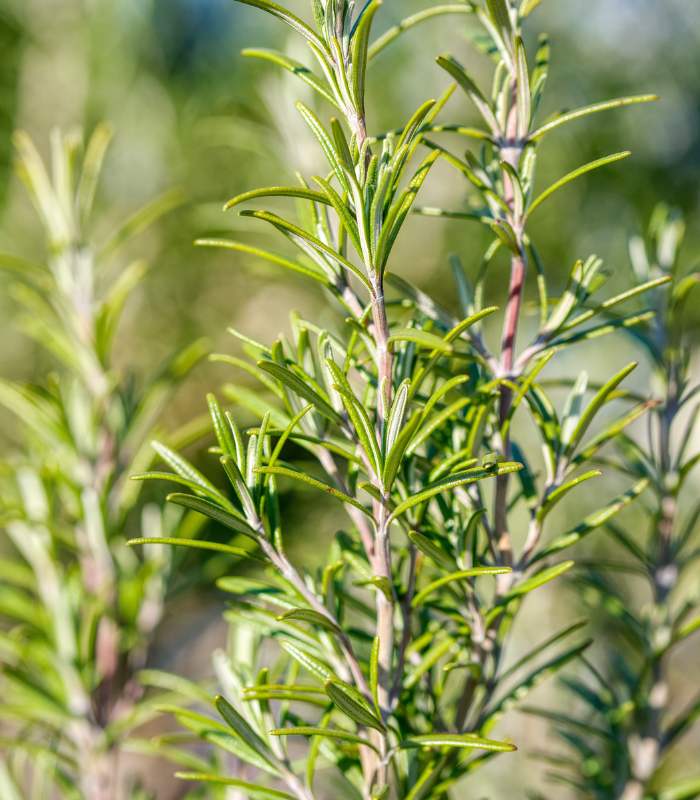
Both groups saw a significant increase in hair count by the six-month mark compared to baseline, with no meaningful difference between rosemary oil and minoxidil.
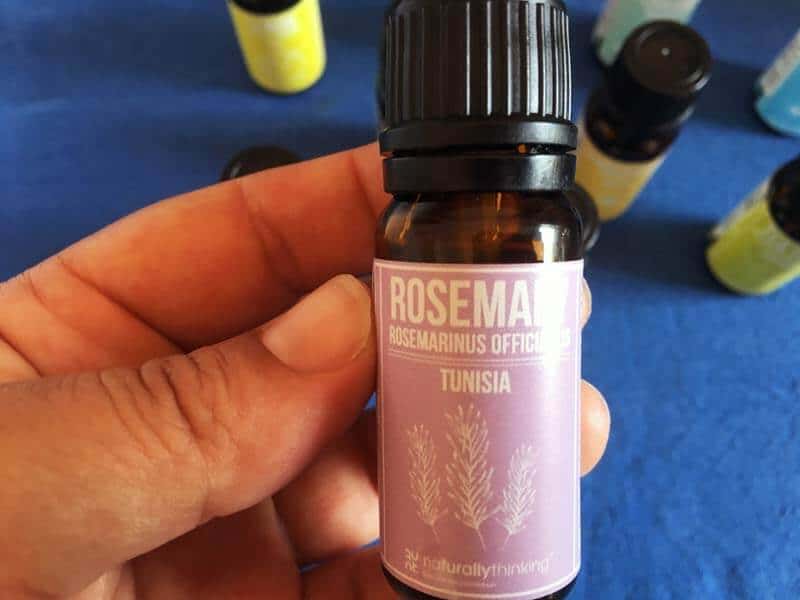
Rosemary also came out ahead on one front: scalp itching was reported more frequently in the minoxidil group at both check-ins.
That’s about oil applied to the scalp for hair growth, not a diluted tea rinse for shine, so don’t expect the same results from a quick rinse. But it’s a useful reminder that rosemary isn’t just a trend. There’s real research behind it.
Where the evidence is thinner: vinegar
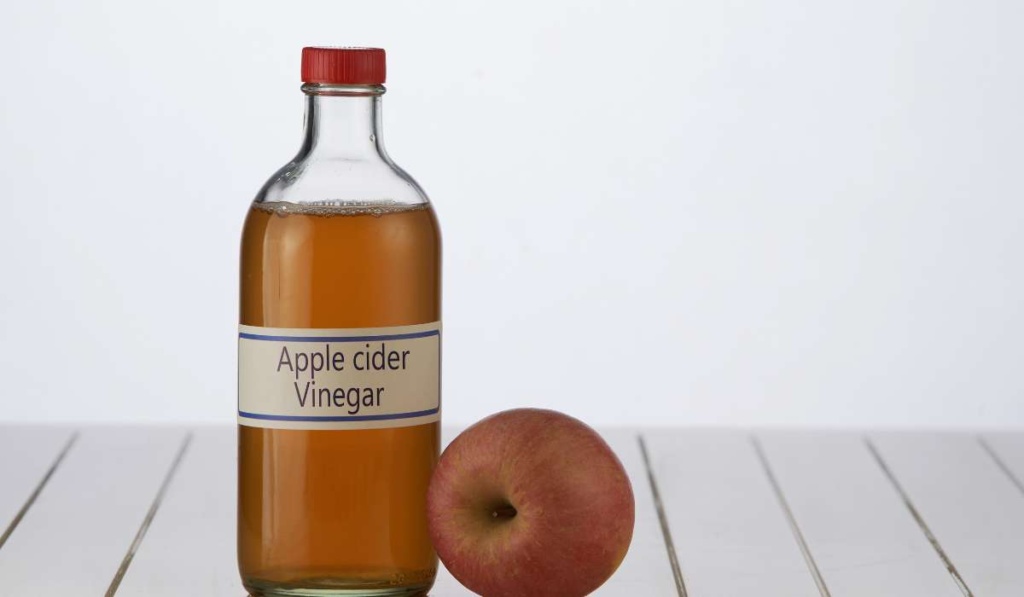
Vinegar rinses are everywhere online, and the theory is sound: <cite index=”17-1″>hair and scalp sit at a natural pH of around 5, and it’s at that level the cuticle stays closed and flattened</cite>, which keeps moisture locked in and reduces frizz. Since vinegar is acidic, it can help nudge pH back down after alkaline shampoo.
I’ll be honest with you though: most of what’s written about vinegar rinses and hair is theory and anecdote rather than controlled research. It’s a low-risk, low-cost thing to try, not a miracle fix. If your hair already feels dry or damaged, go gently, or skip it altogether.
The base method: how to do any herbal rinse properly
This is the bit almost everyone gets wrong, and it’s the reason rinses “don’t work.” Follow this order and you’ll get a far better result no matter which herb you’re using.
Step-by-step
- Shampoo as normal first. Rinses work on clean hair, not as a substitute for washing.
- Prepare your rinse (herbal infusion or diluted vinegar, recipes below).
- Tip your head back over the sink or shower, not forward, so the rinse runs down the length of your hair rather than pooling at your roots.
- Pour slowly and evenly, working from roots to ends, saving the last bit for your ends specifically.
- Let it sit for one to two minutes. This is the step people skip, and it’s the one that actually matters.
- Rinse lightly with cool water, or leave it in if your recipe is a leave-in rinse (I’ll flag which is which below).
- Detangle gently with a wide-tooth comb while hair is still damp and slippery.
Rosemary rinse: the one worth doing properly
Given the research above, rosemary is my go-to. Here’s the version that actually holds its scent and doesn’t go to waste.
What you’ll need
- A large handful of fresh rosemary, or 3 tablespoons dried
- 500ml just-boiled water
- A jar with a lid
Method
- Bruise the rosemary lightly with your hands to release the oils, then place it in the jar.
- Pour the just-boiled water over it and put the lid on straight away. This traps the aromatic compounds instead of letting them evaporate into the air.
- Leave to steep for at least 20 minutes, ideally a few hours or overnight for a stronger infusion.
- Strain out the rosemary and use the liquid as your rinse, following the base method above.
If you’d rather use rosemary at oil strength rather than as a tea, a few drops of rosemary essential oil diluted into jojoba oil as a pre-shampoo scalp treatment is closer to what the clinical research actually tested.
Why dried rosemary can outperform fresh
This surprises people, but drying concentrates the essential oil content in the leaves rather than diluting it in the plant’s water content. If you’re making a rinse for scent and shine rather than a fresh infusion for immediate use, dried rosemary often gives you a stronger result.
Dry it properly first: spread sprigs in a single layer somewhere warm, dry, and out of direct sun, and give them one to two weeks.
Vinegar rinse: for hard water buildup specifically
This one is a targeted tool, not a weekly habit. Reach for it when your hair feels coated, dull, or stiff, which is usually a sign of mineral buildup from hard water rather than something a herbal rinse alone will fix.
What you’ll need
- 2 tablespoons apple cider vinegar
- 500ml cool water
Method
- Mix the vinegar into the water in a jug.
- Follow the base method above, letting it sit on your hair for the full one to two minutes.
- Rinse with cool water afterwards. Don’t leave a vinegar rinse in overnight or skip the final rinse, as it can leave hair feeling stripped over time.
Use this once every one to two weeks at most. Daily or even every-wash use is one of the most common reasons people end up with drier, more brittle hair and then blame the whole idea of rinses.
Why your rinse might not be working
If you’ve tried a rinse and felt nothing changed, it’s almost always one of these:
| Mistake | What’s actually happening |
|---|---|
| Pouring it on for two seconds and rinsing straight off | No contact time means no effect. Give it the full one to two minutes. |
| Using room-temperature water for a rosemary infusion | Cooler water extracts less. Steep in hot water, then let it cool if needed. |
| Vinegar rinse too strong, too often | Over-stripping the cuticle causes the exact dryness you’re trying to fix. |
| Applying to unwashed, product-heavy hair | The rinse is fighting through layers of buildup instead of doing its actual job. |
| Rinsing herbal infusions out with hot water immediately | Hot water reopens the cuticle you just worked to close. Finish cool. |
The scalp massage that makes everything else work better

A rinse treats the hair shaft. Your scalp is a different job, and it’s one people skip entirely.
Massaging your scalp supports circulation, which matters because <cite index=”6-1″>rosemary’s hair growth mechanism partly relies on stimulating that same circulation, extending the growth phase of the hair follicle</cite>.
How to do it without tangling your hair
- Section your hair loosely rather than working through it all at once.
- Use your fingertips, not your nails, in small circular motions.
- Start at your hairline and work backwards towards your crown.
- Spend around five minutes total, working in one direction to avoid creating knots as you go.
- Do this before shampooing, ideally with a scalp oil, so any tangling brushes out easily during the wash.
Finishing tip: the cool water rinse
Whatever you’ve used, always finish with cool water. It’s the simplest step here and the one with the clearest logic behind it: cool water helps the cuticle lie flat after your rinse has done its work, which is the whole point of doing a rinse in the first place. Warm to hot final rinses undo a lot of what you just achieved.
Putting it together: a realistic routine
You don’t need to do all of this every wash day. Here’s how I’d actually space it out:
- Every wash: finish with a cool water rinse. Free, quick, no prep.
- Once or twice a week: rosemary infusion rinse, or a rosemary oil scalp massage before shampooing.
- Every one to two weeks, only if hair feels coated: vinegar rinse for buildup.
If you’re new to natural hair care more broadly, I’ve also written about natural remedies for thicker, fuller hair, which pairs well with everything above.
A note before you start
Herbal rinses are a low-risk, genuinely useful part of a hair care routine, but they work with consistency, not overnight. If you have a scalp condition, colour-treated hair, or notice irritation from any rinse, stop and check in with a dermatologist.
This post is for general education and isn’t a substitute for personalised advice from a healthcare professional.
Love, Patri xx
