

Hydrating Skincare Ideas: Simple Tricks for Dewy Skin in Minutes
Your skin feels tight.
Again.
Even though you just smoothed on that expensive cream everyone raves about.
Fine lines look deeper by lunchtime. Your foundation clings to dry patches. And no matter how much moisturiser you pile on, nothing seems to help.
Here’s what nobody tells you: your skin isn’t crying out for more cream. It’s gasping for water.
I’ve watched this same mistake play out hundreds of times. Women layering on thick, rich products whilst their skin stays parched underneath. Because here’s the thing, you can’t seal in hydration that was never there to begin with.
After years of formulating organic skincare, I can tell you this much: the solution isn’t another £50 jar. It’s understanding what your skin actually needs and giving it to your skin in the right order.
Let me show you how.
(Disclaimer: Some links may be affiliate links. If you buy through them, I may earn a small commission, always at no extra cost to you).
Hydration vs moisture: why your skin needs both
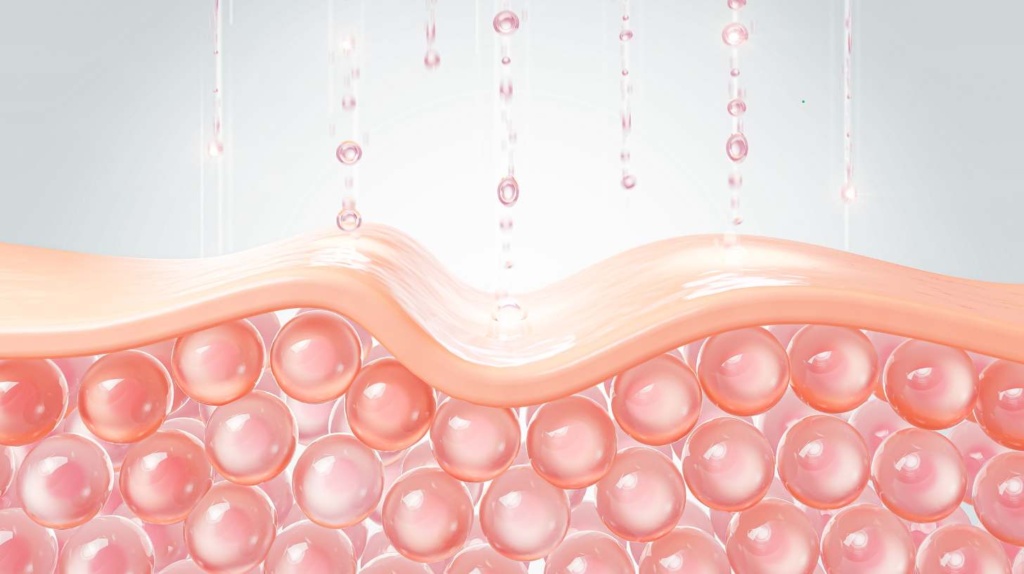
Think of your skin like a sponge.
Hydration is the water content inside that sponge. It plumps it up, keeps it soft and flexible. When your skin is hydrated, it holds water in its cells. That’s what gives you that fresh, dewy look.
Moisture is the oil or cream you spread on top to stop that water from evaporating. It seals everything in, like cling film over a bowl.
You need both. But if your sponge is bone-dry to begin with, adding oil won’t help. You’ve got to get water in first, then lock it down.
That’s why people with oily skin can still feel dehydrated. And why slapping on rich creams sometimes makes zero difference. (If you’re dealing with oily skin specifically, I’ve written a complete guide on oily skin care routines that covers this in detail.)
Signs your skin is dehydrated (not just dry)
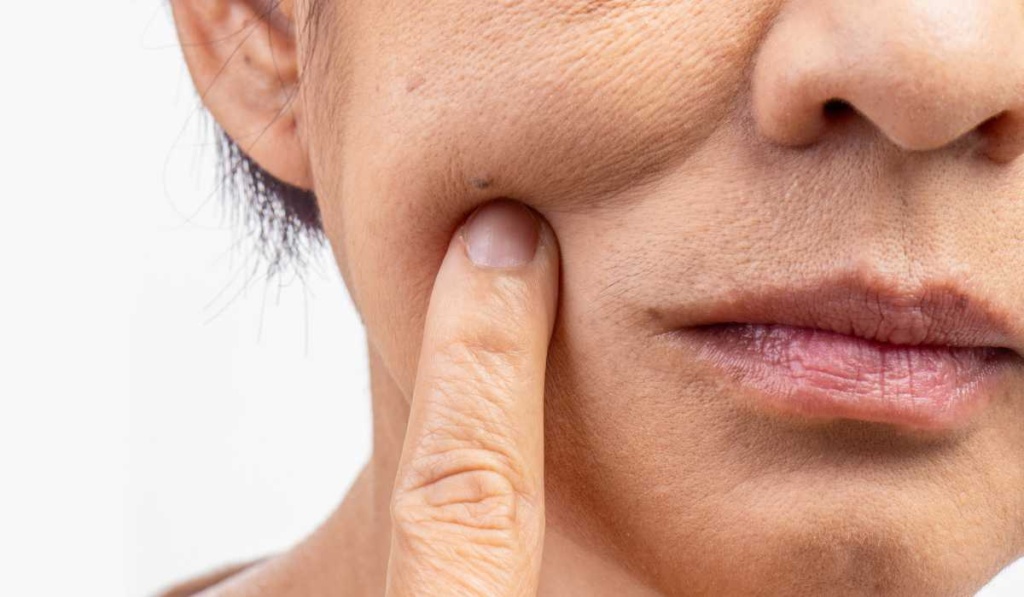
Dehydrated skin isn’t a skin type. It’s a condition. Anyone can have it, even if you’re naturally oily.
Before we go further, it helps to understand your skin type properly, because dehydration can affect all types differently.
Here’s what it looks like:
- Tightness or discomfort, especially after cleansing
- Dullness or a greyish tone
- Fine lines that seem to appear out of nowhere (they’re less obvious when skin is plump)
- Flakiness, even with regular moisturising
- Increased sensitivity or redness
- Makeup that clings to dry patches
If that sounds familiar, your skin barrier is struggling to hold onto water. The good news? It’s fixable, and you don’t need expensive serums to do it.
Everyday habits that steal moisture from your skin
Before we talk about what to add, let’s cover what might be working against you.
Over-cleansing. Washing your face multiple times a day or using foaming cleansers that strip your skin can damage the barrier. If your skin feels squeaky clean, it’s too clean. Choosing the best oil for cleansing your face can make all the difference.
Hot showers. I know they feel amazing, but hot water pulls moisture straight out of your skin. Lukewarm is kinder.
Too many actives. Retinol, acids, and strong exfoliants are brilliant, but if you’re using them daily without balancing hydration, they’ll leave your skin parched and irritated.
Skipping humectants. These are ingredients that pull water into your skin. Without them, even the best moisturiser won’t work properly.
Low humidity environments. Heated rooms, air conditioning, and dry climates all suck moisture from your skin faster than you realise.
Natural ingredients that actually hydrate your skin
Let’s talk about what actually works, and why.
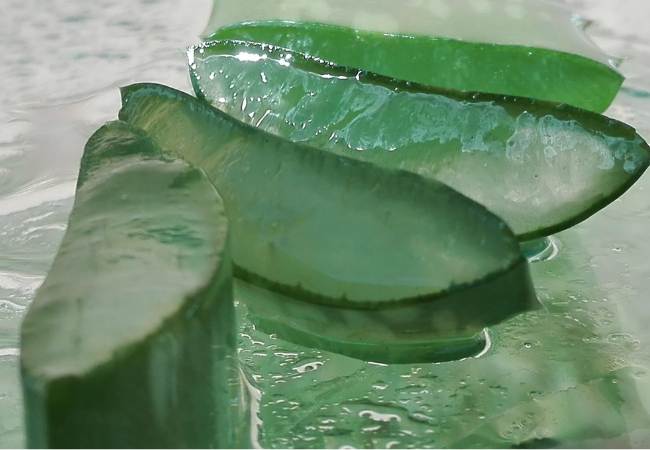
Aloe vera is a hydration hero. It’s packed with polysaccharides that help your skin hold onto water, plus it soothes inflammation. Use pure aloe gel (not the bright green stuff with alcohol) as a lightweight hydrating layer. I’ve covered everything you need to know in my complete guide to aloe vera for skin and health.
Agave nectar is a brilliant vegan humectant that draws moisture from the air into your skin. It’s also soothing and works beautifully as a mask or mixed into cleansers for extra hydration. I love using agave for skincare as a natural alternative to honey (get it here).
Glycerin (plant-derived) is one of the most effective humectants out there. It’s affordable, gentle, and works beautifully in DIY toners or serums. Just make sure it’s from a vegetable source, not synthetic.
Tremella mushroom is nature’s hyaluronic acid. It holds up to 500 times its weight in water and has smaller molecules than HA, so it penetrates deeper. You’ll find it in some natural serums, or you can buy tremella powder to add to homemade skincare.
Rose hydrosol (not rose water with added fragrance but proper hydrosol from distillation) is hydrating, balancing, and smells incredible. It’s gentle enough for sensitive skin and works as a toner or refreshing mist. Rose is one of my favourite ingredients for beauty and health.
Hyaluronic acid (plant-sourced) is a powerhouse humectant. It draws moisture into the deeper layers of your skin and plumps it from within. Look for low and high molecular weight HA for the best results (get it here).
Panthenol (provitamin B5) improves skin barrier function and helps your skin retain moisture. It’s soothing, non-irritating, and works well in serums or creams.
Oat extract is deeply hydrating and calming. It strengthens the skin barrier and helps lock in moisture. You’ll find it in sensitive-skin products, or you can make a simple oat milk toner at home.
Cucumber is over 95% water and contains silica, which supports collagen production. Fresh cucumber juice makes a brilliant hydrating toner, or you can blend it into masks.
Your simple morning and night hydration routine

Here’s how to layer hydration properly, morning and night. No complicated 10-step routines, just what your skin actually needs. Getting your skin care steps in the right order is absolutely key.
Morning
Step 1: Gentle cleanser
Use a creamy or oil-based cleanser that doesn’t foam. Your skin should feel soft after, not tight.
Step 2: Hydrating toner or mist
Apply rose hydrosol, aloe vera juice, or a DIY glycerin toner (mix 1 part vegetable glycerin with 9 parts distilled water). Pat it in while your skin is still damp. If you want more options, I’ve got easy toner recipes with essential oils you can make at home.
Step 3: Hydrating serum
This is where humectants go to work. Use a hyaluronic acid serum or a tremella-based one. Apply to damp skin. It needs moisture to grab onto. Understanding facial serums and how they work can really transform your routine.
Step 4: Light oil or cream
Seal everything in with a few drops of jojoba oil, rosehip oil, or a simple natural moisturiser. You don’t need much. If you’re not sure which oil suits you, check out my guide on the best oils for your skin type.
Evening
Repeat the same steps, but you can add a treatment oil or a richer cream if your skin needs it. This is also when you’d use any actives (retinol, acids), but always follow with hydration and moisture.
For mature skin specifically, I’ve written about natural oils for mature skin that work beautifully in evening routines.
DIY hydrating toner you can make at home
If you want to make your own:
- 90ml distilled water or rose hydrosol
- 10ml vegetable glycerin
- 3 drops geranium or lavender essential oil (optional)
Mix in a glass bottle. Shake before each use. Apply with a cotton pad or spritz directly onto your face.
For more homemade options, browse through my natural skincare ingredients and recipes collection.
How to hydrate your skin from the inside out
Your skincare routine matters, but hydration starts deeper than that.
Drink water throughout the day, not just when you’re thirsty. Your skin is the last organ to receive hydration, so if you’re chronically dehydrated, it shows on your face first.
Eat water-rich foods. Cucumber, watermelon, oranges, celery, and leafy greens all help. So do foods high in omega-3s, like walnuts, chia seeds, and flaxseed. They support your skin barrier. I’ve got loads of ways to eat flax seed that make it easy to add to your daily routine.
Herbal teas can be incredibly hydrating. Dandelion tea supports lymphatic drainage and reduces puffiness. Nettle tea is mineral-rich and nourishing. Rooibos is packed with antioxidants that protect your skin from environmental stress. For relaxation and skin benefits, explore these herbal teas for mind-blowing relaxation.
Chia water is an old wellness trick I love. Soak a tablespoon of chia seeds in water overnight and drink it in the morning. The mucilage (gel-like coating) hydrates from within and supports digestion, which shows up in your skin.
Use a humidifier if you live in a dry climate or spend time in air-conditioned spaces. It makes a genuine difference, especially overnight.
5 hydration rules that will change your skin
Let me leave you with this: five simple rules that’ll transform how your skin feels.
- Apply hydrating products to damp skin. Humectants need water to work. Mist first, then layer.
- Don’t skip the serum. That’s where the real hydration happens. Moisturiser alone won’t cut it.
- Seal it in. Always finish with oil or cream, even if your skin is oily. Otherwise, water evaporates and you’re back where you started.
- Hydrate from within. Skincare can only do so much. Water, herbal teas, and omega-3s matter.
- Be consistent. Dewy, healthy skin doesn’t happen overnight. Give it two weeks of steady hydration and you’ll see the difference.
Start with hydration, support it with moisture, and be patient. You’ll get there.
If you want more no-nonsense advice on keeping your skin healthy without the hype, read about the 3 things I do to keep my skin healthy that most people get wrong.
Save this for the next time your skin feels off, and if you want more natural skincare tips that actually work, come explore the rest of Oh Mighty Health.
Love,
Patri xx
Resources
- Auret A. Hydration vs. Moisture in Skincare: Differences, Science, Ingredients. Beauty By Ane. 2025 Oct 2.
- Krysiak J, Marek B. Effect of Amount of Daily Water Intake and Use of Moisturizer on Skin Hydration. NIH. [PMC Article].
- Chantarasataporn RH et al. Clinical Study on Panthenol-Based Formulations for Skin Moisture and Barrier Function. Kuatra. 2025.
- Asserin J, Lati E, Shioya T, Packer M. Oral administration of hyaluronic acid to improve skin conditions via a double-blind, randomized clinical trial. Skin Res Technol. 2023 Nov 27;29(6):879-887.
- Finco C et al. The role of aloe vera in skin hydration. Fincacanarias. 2025 Jul 23.
- Spillane N, et al. The 24-hour skin hydration and barrier function effects of a hyaluronic acid and glycerin containing formulation. J Cosmet Sci. 2017 Aug 10;68(4):231-241.
- Sharif M et al. Randomized study of muscat hamburg grape seed extract moisturizing effect. Sci Rep. 2024.
- UpCircle Beauty. 5 Aloe Vera Benefits For Skin. UpCircle Beauty Blog. 2024.
- MedicalNewsToday. Hydration vs. Moisture: How to know what your skin needs. 2023 Sep 20.
- Kate Somerville. Hydration vs Moisture for Healthy Skin. 2024.
