
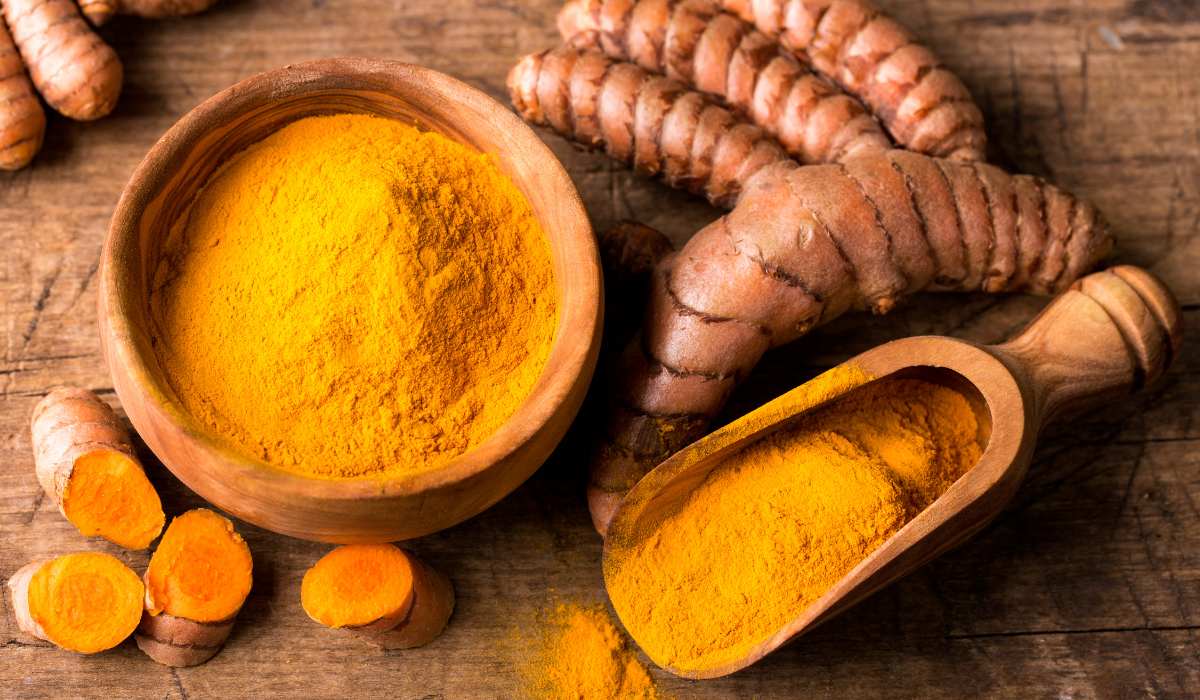
11 Clever Things to Do With Turmeric That Make Every Last Pinch Count!
You bought a big bag of turmeric with the best of intentions. It’s been sitting in your cupboard ever since, slowly losing its glow while you use it exclusively for the occasional curry.
Sound familiar?
Most people know turmeric as a cooking spice, the golden powder that goes into curries, soups, rice dishes, and that golden milk everyone made during lockdown. It’s also well known as a wellness supplement, taken in capsules or stirred into warm drinks for its anti-inflammatory properties. And yes, someone probably told you to put it in your smoothie.
Here’s the thing. Turmeric is wildly versatile, and most people are barely scratching the surface of what it can do. It’s not just a spice. It’s a dye, a skin treatment, a garden booster, a cleaning agent, and an anti-inflammatory powerhouse all rolled into one gloriously golden powder.
So let’s put it to work. Properly.
These 11 uses go well beyond the soup pot, and yes, some of them will surprise you.
Disclaimer: If you click on some of the links in this post and make a purchase, I may receive a small commission at no extra cost to you. It’s a simple way to help support the site so I can keep creating content. Thanks for the love!
1. Turn It Into a Skin-Brightening Face Oil (That Actually Works)
You’ve heard about turmeric face masks. But here’s a more elegant, longer-lasting idea: infuse turmeric into a carrier oil and use it as part of your skincare routine.
Add 1 teaspoon of turmeric powder to 100ml of jojoba oil or sweet almond oil. Warm it very gently (no boiling, just warm) for 20 minutes, then strain through a coffee filter. What you’re left with is a softly golden oil with real anti-inflammatory and brightening benefits, courtesy of curcumin.
Use it as a facial oil at night, or blend a few drops into your usual moisturiser. It won’t stain — the oil extracts colour compounds without the mess.
Pair it with a couple of drops of turmeric essential oil for extra potency.
Tip: If you want a deeper dive into building a simple, natural face routine, have a look at this guide to minimal natural skincare, it’s a good starting point.
2. Use It as a Natural Fabric Dye
This one blows people’s minds, and it genuinely works.
Turmeric is one of the easiest and most accessible natural dyes available. It produces a stunning, warm golden-yellow on natural fabrics like cotton, linen, silk, and wool.
Dissolve 2–3 tablespoons of turmeric in a large pot of hot water. Add your pre-wetted, mordanted fabric (alum mordant works best to help the dye fix). Simmer gently for an hour, then rinse and dry in shade. The colour will be a beautiful, earthy gold.
Fair warning: turmeric is a fugitive dye, meaning it will fade with washing and sun exposure over time. That’s not a flaw, it’s how natural dyeing works. Overdye it every few months to refresh. Or embrace the fade. It’s beautifully imperfect.
3. Make a Turmeric Tooth Powder (Yes, Really)
This sounds completely backwards, but stick with it.
Turmeric is mildly abrasive, strongly anti-inflammatory, and has demonstrated antibacterial properties in multiple studies. Rubbing a golden powder on your teeth feels alarming, it will turn your toothbrush yellow and stain your sink temporarily, but it does not stain your teeth. Enamel is non-porous. Turmeric actually helps lift surface stains and reduce gum inflammation.
Mix 1 teaspoon turmeric powder with ½ teaspoon coconut oil and a drop of peppermint essential oil. Rub it gently onto your teeth, leave for 2 minutes, spit, then brush as normal with your regular toothpaste.
Once or twice a week is plenty. Your dentist might raise an eyebrow. Your gums will thank you.
4. Feed It to Your Plants
Your garden wants in on this too.
Turmeric contains natural antifungal and antibacterial compounds that make it surprisingly effective as a gentle plant treatment. If you have plants suffering from fungal issues — yellowing leaves with black spots, powdery mildew, or root rot in the early stages — a turmeric drench can help.
Dissolve 1 teaspoon of turmeric in 1 litre of warm water. Let it cool, then water your plants with it at the base. It won’t harm the soil microbiome the way synthetic fungicides do, and it’s completely safe for edible plants.
It’s also worth sprinkling dry turmeric powder around seedlings as an ant deterrent. Ants genuinely dislike it.
5. Use It to Colour Food Naturally (Especially at Easter)
Food colouring is almost always synthetic and adds absolutely nothing of value to whatever you’re making. Turmeric is a perfect natural swap.
It produces a gorgeous, vivid yellow that works brilliantly in:
- Easter egg dyeing (boil eggs with turmeric water and a splash of white vinegar)
- Homemade pasta (add ½ teaspoon to flour)
- Icing and buttercream
- Lemonade (a pinch + a slice of ginger = instant upgrade)
- Rice and grain dishes where saffron would be used but your wallet says no
This is the original “Indian saffron” — it was literally nicknamed that in Medieval Europe for this reason. Use it accordingly.
6. Make a Body Scrub Base That Does Double Duty
A turmeric body scrub sounds messy. It is slightly messy. But it’s also deeply effective and costs almost nothing.
Mix 2 tablespoons of turmeric with 3 tablespoons of coconut oil (solid), 4 tablespoons of fine sugar or salt, and a few drops of lavender essential oil. Use it in the shower on legs, arms, and elbows. Rinse thoroughly.
The curcumin exfoliates, brightens, and reduces inflammation all at once. It’s particularly good for skin that tends towards redness, keratosis pilaris, or dullness.
Rinse off well, and if you do get any staining on grout or tiles, white vinegar removes it immediately.
7. Blend It Into a Golden Oat Mask for Irritated Skin
This is one of those recipes that sounds too simple to actually work — and then you try it and feel smug.
Mix 1 tablespoon of ground oats with ½ teaspoon turmeric, 1 teaspoon aloe vera gel, and enough water to form a paste. Apply to clean skin, leave for 10 minutes, rinse gently with warm water.
Oats calm irritation. Turmeric reduces redness and inflammation. Aloe soothes and hydrates. Together they’re very effective for reactive skin, post-sun exposure, or any time your face just feels angry at the world.
This works particularly well before an event when you want your skin calm and even.
For more ideas on feeding your skin naturally, this natural skin treatments guide is worth bookmarking.
8. Use It as a Natural Wood and Brass Polish (With a Caveat)
Here’s one almost nobody talks about.
A paste of turmeric and coconut oil works as a gentle polish for unfinished or oiled wood, and also for brass and copper items. The antimicrobial properties help protect wood grain, and the oil nourishes it beautifully.
Apply a small amount, rub in with a soft cloth, leave for 5 minutes, then buff off.
The caveat: don’t use this on light-coloured wood, unsealed stone, or anything porous you’d be upset about turning golden. Test in a hidden spot first, always.
For sealed or light wood surfaces, stick to the polishing cloth and skip the turmeric entirely. Dark woods, antique metals, and oiled surfaces? This is genuinely lovely.
9. Make a Turmeric Paste for Your Immunity Toolkit (Golden Paste)
This one is ancient. It works. And it belongs in every kitchen.
Golden paste is one of the most effective ways to get curcumin into your body daily, and it takes five minutes to make.
Combine 2 tablespoons of turmeric powder with ½ cup of water in a small saucepan. Warm gently, stirring, until it forms a thick paste. Remove from heat and stir in 1 teaspoon of coconut oil and a generous pinch of black pepper.
The coconut oil matters, curcumin is fat-soluble, meaning your body absorbs it far better when paired with a fat. The black pepper increases absorption by up to 2,000% thanks to piperine. That’s not marketing hype; it’s well-documented biochemistry.
Store in a small jar in the fridge for up to two weeks. Take half a teaspoon daily stirred into warm plant milk, oat porridge, or even just warm water with lemon. It’s earthy, warming, and genuinely effective as a daily anti-inflammatory ritual.
10. Use It to Repel Insects Naturally
This is the underrated garden and home hack that turmeric deserves far more credit for.
Ants, aphids, and various crawling insects dislike curcumin intensely. Sprinkle dry turmeric powder along ant trails, around plant bases, or near entry points in your home. It disrupts their scent trails and discourages them from crossing it.
It’s not quite as aggressive as diatomaceous earth, but it’s completely non-toxic, safe around pets, children, and food-growing areas, and it costs almost nothing.
On plants, you can also mix turmeric with water and a few drops of neem oil to create a light spray that keeps soft-bodied insects at bay without harming beneficial pollinators.
11. Turn It Into a Natural Ink or Paint
This might be your new favourite weekend experiment — especially if you have children, or just a creative streak.
Turmeric dissolved in water makes a vivid golden-yellow ink that works beautifully for watercolour-style painting, calligraphy, or journalling. Mix 1 tablespoon of turmeric with enough water to reach your desired intensity. Add a tiny drop of white vinegar to help fix the colour slightly.
It’s photosensitive — meaning it will fade in sunlight — which makes it especially interesting for art that’s meant to change over time. Or just use it indoors, away from direct light, and it holds remarkably well.
It’s a wonderful way to involve children in natural art-making, or to add a warm gold to hand-lettered cards and notes.
The Golden Rule of Turmeric (That Makes Everything Work Better)
Before you go off and dye fabric, polish brass, and feed your garden all in one afternoon — a quick note.
Turmeric stains. Enthusiastically. Wear old clothes. Use gloves when working with it in higher concentrations. And keep white vinegar nearby, it cuts turmeric stains from surfaces immediately.
Beyond that? Lean in. This humble, ancient, unglamorous powder in your spice rack is genuinely extraordinary. You’ve been underusing it.
Time to fix that.
Patri xx
Disclaimer: This article is for informational purposes only and is not intended as medical advice. Always consult a qualified healthcare professional before making changes to your health routine, especially if you are pregnant, breastfeeding, or taking medication.
References & Research
- Hewlings SJ, Kalman DS. Curcumin: a review of its effects on human health. Foods. 2017;6(10):92.
- Shoba G, Joy D, Joseph T, Majeed M, Rajendran R, Srinivas PS. Influence of piperine on the pharmacokinetics of curcumin in animals and human volunteers. Planta Med. 1998;64(4):353–6.
- Gupta SC, Patchva S, Aggarwal BB. Therapeutic roles of curcumin: lessons learned from clinical trials. AAPS J. 2013;15(1):195–218.
- Akbik D, Ghadiri M, Chrzanowski W, Rohanizadeh R. Curcumin as a wound healing agent. Life Sci. 2014;116(1):1–7.
- Nagpal M, Sood S. Role of curcumin in systemic and oral health: an overview. J Nat Sci Biol Med. 2013;4(1):3–7.
- Prasad S, Tyagi AK, Aggarwal BB. Recent developments in delivery, bioavailability, absorption and metabolism of curcumin. Cancer Res Treat. 2014;46(1):2–18.
- Moghadamtousi SZ, Kadir HA, Hassandarvish P, Tajik H, Abubakar S, Zandi K. A review on antibacterial, antiviral, and antifungal activity of curcumin. Biomed Res Int. 2014;2014:186864.
- Chainani-Wu N. Safety and anti-inflammatory activity of curcumin: a component of tumeric (Curcuma longa). J Altern Complement Med. 2003;9(1):161–8.
- Vaughn AR, Branum A, Sivamani RK. Effects of turmeric (Curcuma longa) on skin health: a systematic review of the clinical evidence. Phytother Res. 2016;30(8):1243–64.
- Chattopadhyay I, Biswas K, Bandyopadhyay U, Banerjee RK. Turmeric and curcumin: biological actions and medicinal applications. Curr Sci. 2004;87(1):44–53.
