

Your Winter Skincare Routine, Simplified (and Natural)
Your skin felt fine in October.
Now it’s tight, flaky, and no amount of moisturiser seems to help.
I hear you. Winter does this. It strips your skin barrier, pulls moisture out of the air, and leaves you wondering why nothing works anymore.
Here’s what nobody tells you: you don’t need a whole new routine.
You just need to change how you’re doing it.
Three small shifts. That’s it.
Let me show you what’s actually happening to your skin right now, and exactly how to fix it without buying ten new products or spending an hour in front of the mirror.
(Disclaimer: Some links may be affiliate links. If you buy through them, I may earn a small commission, always at no extra cost to you)
What winter actually does to your skin (and why it feels so tight)
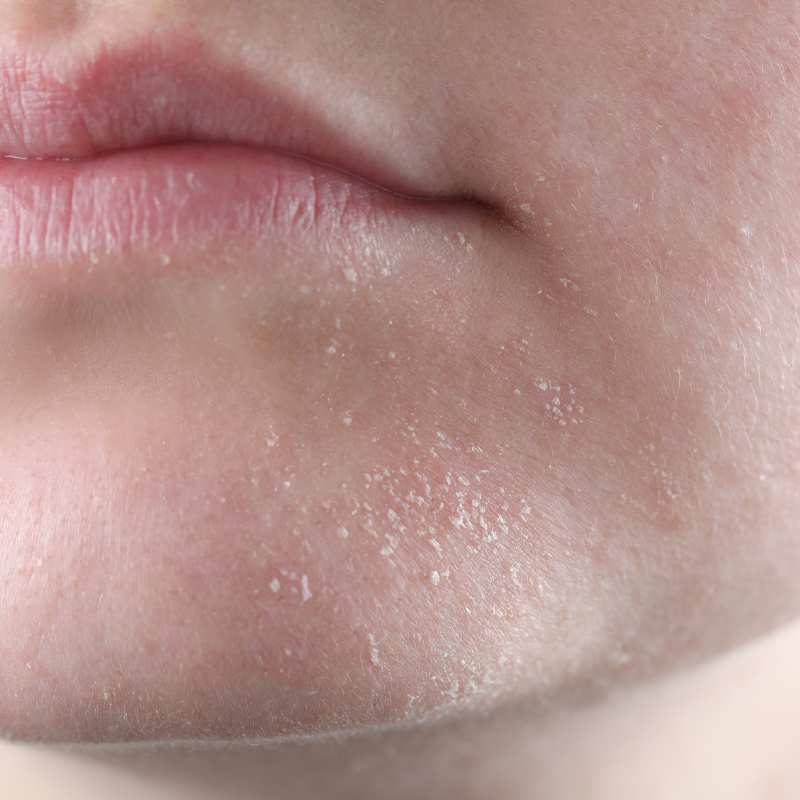
When the air outside gets cold, humidity drops. Sometimes dramatically.
Indoor heating doesn’t help either. It pulls even more moisture from the air, creating this double assault on your skin. Your natural oils thicken in the cold, so they don’t spread as easily across your skin’s surface. Meanwhile, the protective barrier that normally keeps water locked in starts to weaken.
The result is dehydration, irritation, and that tight, uncomfortable feeling that no amount of moisturiser seems to fix.
Winter’s cold, dry conditions challenge your skin barrier, leading to dehydration and sensitivity. Understanding these changes can help you support your skin more effectively, though every individual’s needs may vary.
The 3-step natural winter routine that actually works
Forget ten-step routines. Winter skincare comes down to three essential actions: cleanse gently, nourish deeply, and seal everything in.
Let’s break each one down properly.
Step 1: Cleanse without stripping

Winter is not the time for foaming face washes that leave your skin squeaky clean. That tight, “clean” feeling? That’s actually your skin barrier being stripped of the oils it desperately needs right now.
Look for:
- Creamy, oil-based, or micellar cleansers that don’t foam much
- Ingredients like coconut oil, jojoba oil, or sweet almond oil
- Products that rinse away makeup and dirt without leaving your face feeling raw
I use a simple oil cleanser most evenings. Just massage it onto dry skin, add a splash of warm water to emulsify, then rinse. It removes everything without that stripped-down feeling. If you’re curious about which oils work best for different skin types, I’ve got a complete guide on best natural oils for face.
If you prefer something even gentler, try micellar water on a reusable cotton pad. It lifts away impurities without any rubbing or rinsing.
Morning cleansing: Many people can skip cleanser entirely in the morning during winter. A splash of lukewarm water or a quick swipe of micellar water is often enough. Your skin produces natural oils overnight, which can be beneficial. Depending on your skin type, you might skip morning cleansing or choose a gentle rinse.
Step 2: Nourish with humectants (key ingredients for hydration)
Here’s where a lot of winter skincare routines fall short. People reach for thick creams and wonder why their skin still feels dry.
The problem? Heavy moisturisers seal your skin, but they don’t add water to it. And in winter, your skin is often dehydrated, not just dry.
You need humectants. These are ingredients that actually pull moisture into your skin and hold it there.
The best natural humectants:
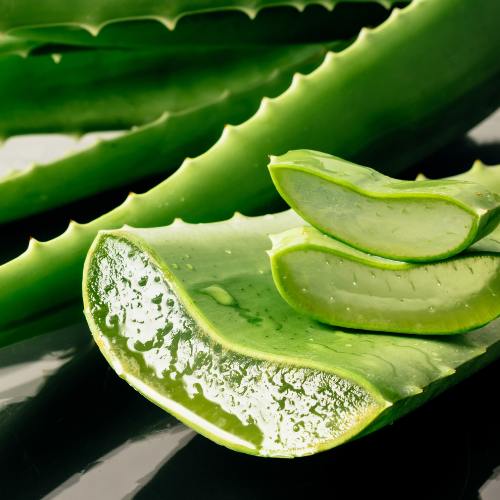
- Aloe vera gel (straight from the leaf or pure bottled gel)
- Vegetable glycerin (mix a few drops into your moisturiser or serum)
- Agave nectar (while some use this in masks or balms, its effects on skin are not widely studied and it may cause irritation for some skin types)
- Hyaluronic acid (yes, it’s natural. Your body makes it)
Apply these to damp skin. This is key. Splash your face with water or spritz it with a hydrating mist, then immediately apply your humectant-rich serum or gel while your skin is still slightly wet. This locks in that extra water.
I keep a simple aloe mist in the fridge (just aloe vera juice in a spray bottle with a drop of lavender essential oil). If you add essential oils, use only very low concentrations and patch test first to avoid irritation. Store the mist refrigerated and use within a few days to prevent spoilage. A quick spritz before applying anything else can make a noticeable difference.
Step 3: Seal with oils and butters (lock in all that moisture)
Now comes the protective layer. The one that stops all that lovely moisture from evaporating.
This is where natural oils and butters shine. They mimic your skin’s natural lipid barrier, creating a breathable seal that keeps water in and harsh winter air out.
My favourite natural sealants:
- Squalane oil: lightweight, absorbs beautifully, works for all skin types
- Jojoba oil: nearly identical to your skin’s sebum, non-greasy
- Rosehip oil: rich in fatty acids, helps with redness and irritation (learn more about what rosehip oil can do for your skin)
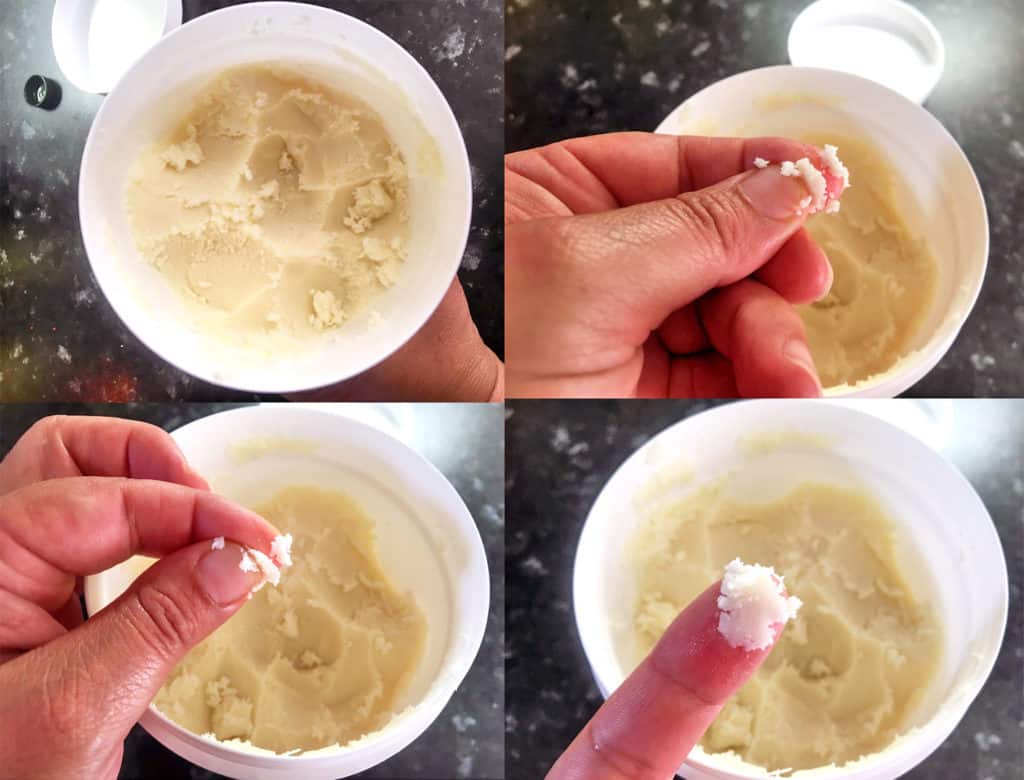
- Shea butter: deeply protective and often beneficial for very dry or eczema-prone skin, though patch testing is recommended to rule out any sensitivity
- Cocoa butter: thicker, best for body care or extremely dry patches
You don’t need much. A few drops of oil or a pea-sized amount of butter, warmed between your palms and pressed gently onto your face, is enough. (If you’ve never worked with shea butter before, here’s everything you need to know about shea butter.)
For oily or combination skin: Yes, even oily skin needs this step in winter. Stick with lighter oils like squalane or jojoba, and use them sparingly. When your skin is properly moisturised, it actually produces less excess oil, not more.
For sensitive skin: Choose single-ingredient oils rather than blends, so you know exactly what you’re putting on your face. Jojoba and squalane are usually well-tolerated.
Easy DIY winter skincare recipes (using what you already have)
You don’t need to buy every product. Some of the most effective winter skincare solutions are sitting in your kitchen right now.
1. Soothing oatmeal mask (for irritated, flaky skin)
Grind 2 tablespoons of plain oats into a fine powder. Mix with enough warm water or milk to form a paste. Smooth onto clean skin, leave for 10 to 15 minutes, then rinse gently.
Oats contain compounds called avenanthramides that calm inflammation and strengthen your skin barrier. This is one of my go-to remedies when winter weather has been particularly harsh.
2. Hydrating nourishing balm (for extra-dry patches)
Melt 2 tablespoons of shea butter with 1 tablespoon of jojoba oil over a double boiler. Remove from heat, stir in 1 teaspoon of vegetable glycerin and, if desired, 1 to 2 drops of chamomile essential oil.
Use caution with essential oils and patch test before applying widely. Pour into a small tin and let it solidify. Store the balm in a cool, dark place and use within 3 months.
Use this on dry patches, lips, cuticles, anywhere that needs serious moisture.
3. Aloe & glycerin mist (for midday hydration)
Mix 60ml of pure aloe vera juice with 1 teaspoon of vegetable glycerin and, if desired, 1 to 2 drops of rose geranium essential oil. Essential oils can cause irritation and photosensitivity, so patch test before use and avoid direct sun exposure after application. Pour into a spray bottle. Keep it in your bag or on your desk.
A quick spritz over makeup (yes, really) or on bare skin gives you an instant moisture boost without feeling heavy or greasy.
Winter skincare mistakes to avoid (you might be doing these)
Even with the best intentions, it’s easy to accidentally make winter skin worse. Here’s what to watch out for:
Hot showers and baths. I know they feel amazing when it’s freezing outside, but hot water strips your skin’s natural oils faster than anything else. Keep water lukewarm and limit your time to 10 minutes max. Pat yourself dry gently, then apply oil or butter while your skin is still slightly damp.
Over-exfoliating. Your skin is already more vulnerable in winter. Daily scrubs or strong chemical exfoliants can damage your barrier further. Scale back to once a week at most, and choose gentle options like oatmeal or a very mild lactic acid toner. If you’re looking for gentler ways to exfoliate, I have homemade body scrub recipes that are perfect for winter skin.
Skipping sun protection. Winter sun might feel weak, but UV rays still damage your skin, especially when reflected off snow. If you’re using oils that absorb quickly (like squalane), you can layer a mineral sunscreen on top without feeling greasy.
Using the same products all year. What works in humid August might not work in dry January. It’s okay to switch things up. Your skin’s needs change with the seasons, so let your routine change too. Not sure if you’re layering your products correctly? Check out my guide on skin care steps in the right order.
Forgetting your body. Your face isn’t the only part of you dealing with winter air. Apply oil or butter to damp skin after every shower, paying extra attention to hands, elbows, knees, and feet. Keep a small tin of shea butter by the sink for your hands throughout the day. For a complete approach to body care in winter, my body skin care routine guide has you covered.
When to adjust your routine (for different skin types)
Not every winter day is the same, and not every skin type needs the exact same approach.
If you’re oily or acne-prone: Focus on lightweight humectants like aloe and hyaluronic acid. Use squalane or jojoba as your sealing layer, just a few drops. You might find you can skip the morning cleanse entirely and just rinse with water. I’ve written a detailed oily skin care routine if you want more specific guidance for your skin type.
If you’re sensitive or reactive: Simplify even further. Stick to single-ingredient products so you know exactly what’s touching your skin. Avoid essential oils if they irritate you. The routine works just as well without them.
If you have eczema or very dry skin: You might need to apply your sealing layer twice a day, or even add a thicker balm at night. Shea butter or cocoa butter over your usual moisturiser creates a deeply protective barrier while you sleep.
If you’re somewhere extremely cold: Consider adding a facial oil before your humectant layer, then sealing with butter. This “oil sandwich” approach gives extra protection when the air is truly harsh.
A final word on winter skincare (keep it simple)
Your skin doesn’t need perfection. It needs consistency, gentleness, and the right support for the season you’re in.
Winter skincare isn’t about chasing trendy products or following complicated routines. It’s about understanding what your skin is missing right now (usually water and protective oils) and giving it exactly that. If you’ve been told you need a dozen products to have healthy skin, you might want to read about the skincare myths that drive me nuts.
Start with the basics: a gentle cleanse, something that adds moisture, and something that seals it in. Then adjust based on how your skin responds. Pay attention to what feels good, what makes your skin calmer, what keeps that tight, uncomfortable feeling away.
Your winter glow doesn’t come from fighting your skin or forcing it to behave like it does in summer. It comes from working with it, supporting its natural barrier, and keeping things beautifully simple.
Trust me, your skin knows what to do. It just needs a little help getting through the cold months. And now you know exactly how to give it that.
Love,
Patri xx
Related articles you might find helpful:
- Simple Skincare Routine for Busy Women: Healthy Skin in Minutes
- The 3 Things I Do To Keep My Skin Healthy
- Best Natural Oils for Face: Your Complete Guide to Glowing Skin
- I Stopped Buying Products and My Skin Got Better
Resources
- Verdier-Sévrain S, Bonté F. Skin hydration: a review on its molecular mechanisms. J Cosmet Dermatol. 2007;6(2):75-82.
- Rawlings AV, Harding CR. Moisturization and skin barrier function. Dermatol Ther. 2004;17 Suppl 1:43-48.
- Proksch E, Brandner JM, Jensen JM. The skin: an indispensable barrier. Exp Dermatol. 2008;17(12):1063-1072.
- Lin TK, Zhong L, Santiago JL. Anti-inflammatory and skin barrier repair effects of topical application of some plant oils. Int J Mol Sci. 2017;19(1):70.
- Surjushe A, Vasani R, Saple DG. Aloe vera: a short review. Indian J Dermatol. 2008;53(4):163-166.
- Fluhr JW, Darlenski R, Surber C. Glycerol and the skin: holistic approach to its origin and functions. Br J Dermatol. 2008;159(1):23-34.
- Papakonstantinou E, Roth M, Karakiulakis G. Hyaluronic acid: a key molecule in skin aging. Dermatoendocrinol. 2012;4(3):253-258.
- Keen MA, Hassan I. Vitamin E in dermatology. Indian Dermatol Online J. 2016;7(4):311-315.
- Ilnytska O, Kaur S, Chon S, et al. Colloidal oatmeal (Avena sativa) improves skin barrier through multi-therapy activity. J Drugs Dermatol. 2016;15(6):684-690.
- Draelos ZD. The science behind skin care: moisturizers. J Cosmet Dermatol. 2018;17(2):138-144.
