

Best Natural Oils for Face: Your Complete Guide to Glowing Skin
Right, let’s get straight to it.
After years of making my own skincare and testing hundreds of natural ingredients, I’ve learnt something that might surprise you: the best face oils aren’t the most expensive ones.
Nope!
The best natural oils for your face are the ones that actually work with your skin’s biology.
They’re quite inexpensive and INCREDIBLY effective.
I’m Patri, and I’ve been formulating organic skincare for nearly a decade. I’ve made every mistake you can imagine with face oils so I’ve finally cracked the code on what actually works (for me and my clients).
Most people either avoid face oils completely (thinking they’ll clog pores) or use them wrong (wondering why their skin feels greasy all day).
Both approaches miss the point ENTIRELY.
Your skin produces its own oils for a good reason. When you choose the right natural oils and use them PROPERLY, you’re speaking your skin’s language.
Today, I’m sharing the 7 best natural face oils that actually deliver results, plus the DIY recipes that’ll save you hundreds whilst giving you healthier skin.
Read through carefully, write down what you think will help you and follow through.
You should be seeing changes on your skin sooner than you think.
DISCLAIMER: You’ll find affiliate links below. If you purchase through them, I might earn a commission at no extra cost to you.
First, a bit of science (I kept it very simple, promise)
Before we get to the oils, you need to understand why they work.
Your skin barrier is made up of lipids (fancy word for fats and oils). When this barrier is HEALTHY, your skin stays hydrated, protected, and happy (you can check here my comprehensive article on carrier oil fatty acid profiles)
When it’s damaged, you get dryness, irritation, and all sorts of problems (eczema, itchiness, etc).
Here’s the fantastic news: the right natural oils contain the same types of lipids your skin barrier needs.
AMAZING.
Think of it like this: if your skin barrier is a brick wall, natural oils provide the mortar that keeps everything together.
So start to say goodbye to those expensive products that you PROBABLY DON’T NEED.
The absorption myth busted.
“But won’t oils make my skin greasy?”
Only if you’re using the wrong ones or applying them incorrectly (check my article on doing your skincare steps in the right order).
Quality face oils should absorb within 10-15 minutes, leaving your skin soft but NEVER slick. If you’re still shiny after 20 minutes, you’ve either used too much or chosen an oil that’s too heavy for your skin type.
Your skin knows what to do with plant oils because it’s been working with them for thousands of years.
Let’s say synthetic ingredients is a much newer conversation if you see what I mean.
The 7 best natural face oils (and what each one does)
1. Jojoba oil will balance any skin type because it’s not actually an oil
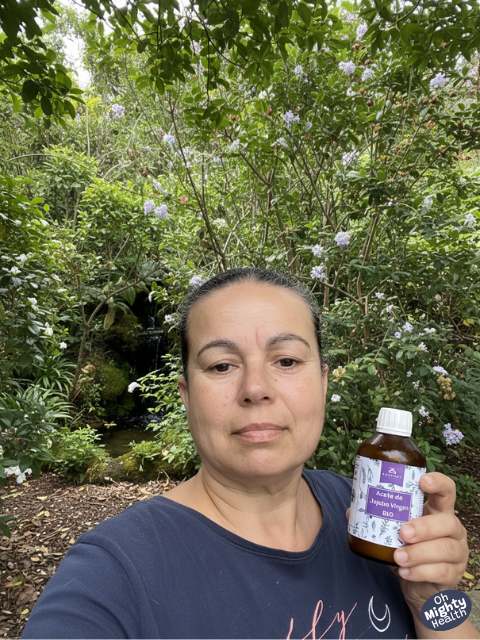
Here’s something most people don’t know: jojoba oil is technically a liquid wax that mimics your skin’s natural sebum almost perfectly.
This means your skin recognises it immediately and doesn’t panic by producing excess oil (which is what happens with many other moisturisers).
By the way, you might want to check out my article on common jojoba oil mistakes that can TOTALLY Mess with Your Results.
Why jojoba oil works:
- IDENTICAL molecular structure to human sebum
- Won’t clog pores (it’s non-comedogenic)
- Actually helps regulate oil production
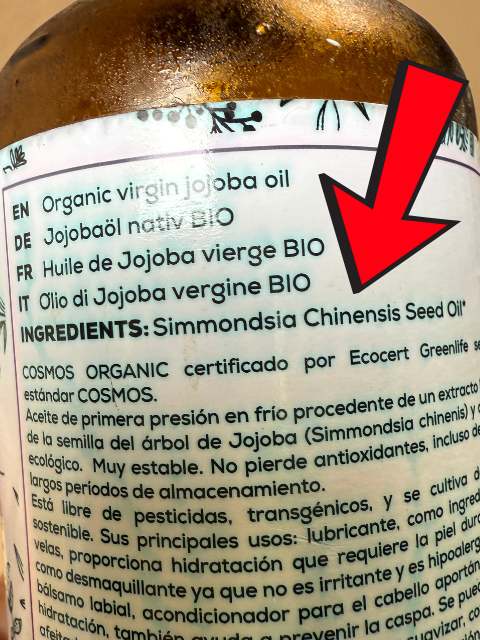
Best for: All skin types, especially oily and acne-prone skin (my comedogenic rating list will probably be very useful if you need to check other oils).
Perfect if you: Want one oil that works for the whole family, have unpredictable skin that changes with seasons, or you’re just starting with face oils and want something foolproof
How to spot quality jojoba: It should be golden-yellow and have virtually no scent. If it’s clear or smells strong, it’s been over-processed.
Simple DIY balancing serum:
- 2 tablespoons jojoba oil
- 3 drops lavender essential oil (optional)
- 1 drop vitamin E oil
Mix in a dark glass bottle. Use 3-4 drops morning and evening on clean, slightly damp skin.
Get this if you want one oil that works for everyone in your household, have combination skin that’s unpredictable, or you’re new to face oils and want something foolproof
Here’s my recommended jojoba oil: Yoken Pure Jojoba Oil is a 100% natural, organic, cold-pressed, and unrefined oil with a rich golden color. EWG Verified and hexane-free. Love that it comes in a convenient pump bottle for easy use.
2. Rosehip oil will regenerate your skin because it contains natural retinoids
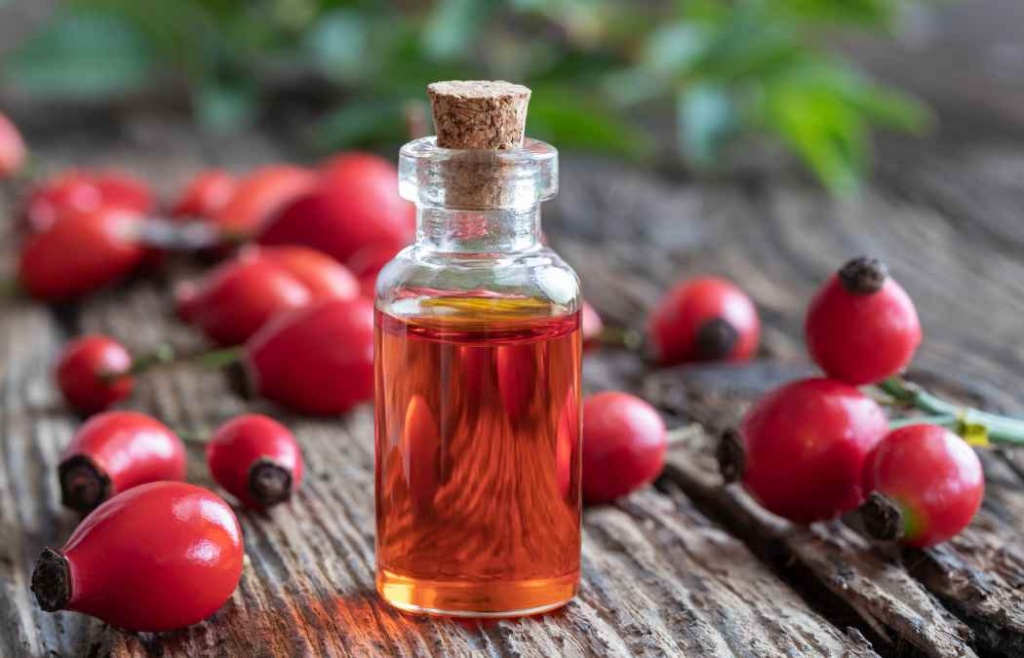
If you’re spending money on expensive anti-ageing serums, rosehip oil might make you question everything.
This gorgeous orange-red oil contains natural retinoids (vitamin A compounds) that encourage cell turnover without the irritation synthetic retinol often causes. I’ve listed research on this at the bottom of the article if you’re interested on more information, rosehip oil is definitely one to keep if you have mature skin).
Also, you can my article on can rosehip cause acne if you’re worried about this.
Why it works:
- Natural tretinoin (all-trans retinoic acid) for gentle cell renewal
- Vitamin C for collagen production
- Essential fatty acids for barrier repair
Best for: Mature skin, acne scarring, uneven skin tone, sun damage
Perfect if you: You’re over 35 and want to prevent ageing naturally, have acne scars you want to fade, or your skin looks dull and needs brightening
Storage tip: Keep it in the fridge. Rosehip oil goes rancid quickly at room temperature, but cold storage extends its life dramatically. In fact, I always place my carrier oils in the fridge.
(Check out my rosehip oil for fungal acne article if you suffer from this condition.)
Simple overnight regenerating treatment:
- 1 tablespoon rosehip oil
- 1 teaspoon sweet almond oil (for gentleness)
- 2 drops frankincense essential oil (optional, very good for wrinkles and fine lines. More on frankincense for wrinkles here.)
Apply to clean skin before bed. Start with 2-3 times weekly and build up gradually.
Get this if you’re over 30 and want natural anti-ageing, have acne scars or dark spots to fade, or your skin looks dull and tired
Here’s my recommended rosehip oil: Trilogy Certified Organic Rosehip Oil, cold-pressed from Chilean rose hips, stored in dark glass to preserve potency, and that gorgeous orange colour means it’s packed with nutrients.
3. Argan oil will deeply nourish because it’s packed with vitamin E
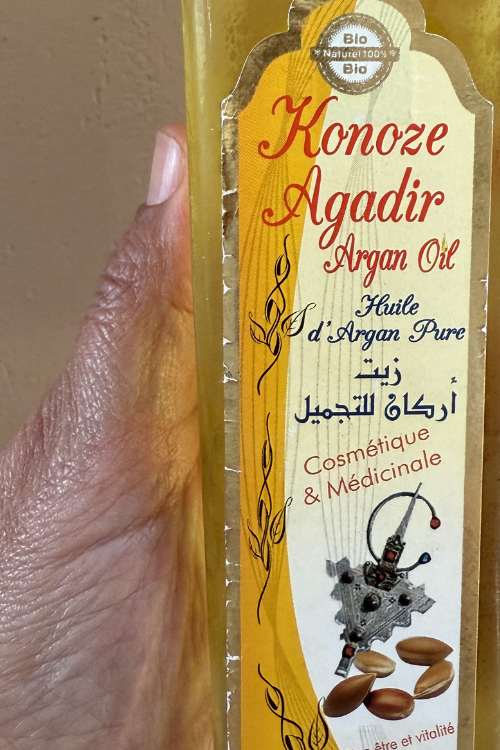
Moroccan women have used argan oil for centuries, and science has finally caught up to explain why it works so brilliantly.
Argan oil contains more vitamin E than almost any other plant oil, making it a powerhouse for protecting and repairing damaged skin.
Why it works:
- Highest concentration of vitamin E (natural antioxidant)
- Squalene content supports skin elasticity
- Perfect balance of oleic and linoleic acids
(By the way, read my 12 reasons on why I’ll never be without argan oil)
Best for: Dry skin, mature skin, barrier repair, harsh weather protection
Perfect if you: Your skin feels tight and uncomfortable by afternoon, you live in a cold or windy climate, or you’ve damaged your skin barrier with harsh products
Quality check: Real argan oil should have a subtle nutty scent and golden colour (which I find totally and intoxicatingly addictive!!). If it’s odourless and pale, it’s been heavily refined and lost most of its benefits.
DIY nourishing face cream:
- 2 tablespoons argan oil
- 1 tablespoon shea butter
- 1 teaspoon candelilla wax
Melt together in a double boiler, whisk while cooling. Creates a lovely, rich cream perfect for evening use.
Get this if your skin feels tight and uncomfortable, you live in harsh weather conditions, or you’ve damaged your skin barrier with over-exfoliation
Here’s my recommended argan oil: Moroccan Gold Argan Oil, cold-pressed straight from the kernels of Morocco’s argan trees, is pure liquid gold for skin! Pure, organic, and unrefined beauty in every drop.
4. Marula oil will absorb quickly because it’s naturally lightweight
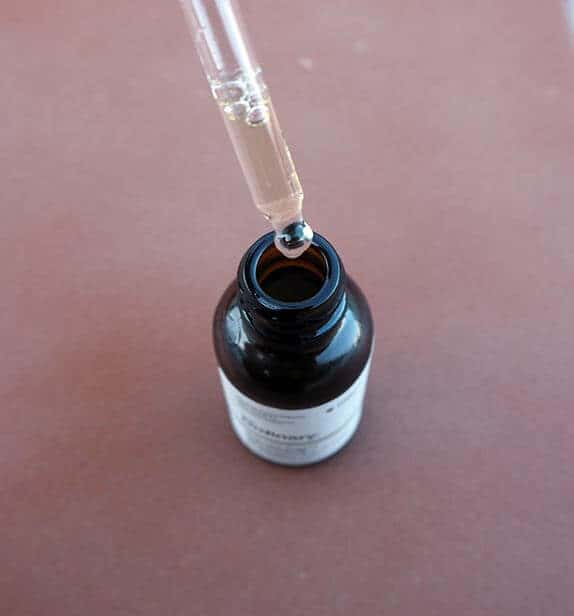
If you want all the benefits of face oils without any greasiness, marula oil is your answer.
This African beauty secret absorbs faster than almost any other face oil whilst delivering serious hydration and antioxidant protection.
If you want to learn more about marula oil, check my article on marula oil benefits for skin and hair.
Why it works:
- Lightweight molecular structure for fast absorption
- High in antioxidants (good for your skin but it also means it won’t go rancid quickly)
- Anti-inflammatory properties soothe irritation
Best for: Sensitive skin, daily use, layering under makeup, anyone who thinks they don’t like face oils
Perfect if you: You want to wear oil under makeup, have reactive skin that gets irritated easily, or you’re always in a rush and need something that works fast
The absorption test: Apply a few drops to clean skin. It should feel completely absorbed within 5-10 minutes.
Morning glow serum:
- 1 tablespoon marula oil
- 1 teaspoon jojoba oil
- 2 drops geranium essential oil (for that healthy flush)
I don’t wear make up but if you do, this oil is perfect for under it OR as a stand alone oil for a natural glow (check the best oils for your skin type).
Get this if you want oil benefits without greasiness, have sensitive skin that reacts to everything, or you need something that works fast for busy mornings
Here’s my recommended marula oil: The Ordinary 100% Cold-Pressed Virgin Marula Oil, lightweight, absorbs in minutes, and their simple approach means you’re getting pure oil without fancy packaging markup.
5. Coconut oil will cleanse beautifully but should never touch oily skin
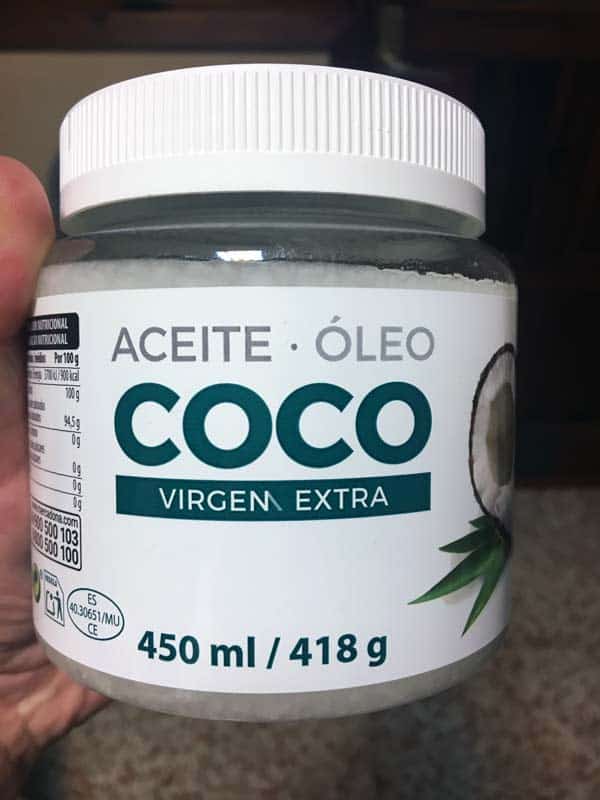
Coconut oil is probably the most controversial oil on this list, and for a good reason (basically, it clogs pores for most people, but works well for oil cleansing and VERY dry skin).
It’s absolutely brilliant for certain uses and skin types, but it can be disastrous if you get it wrong (avoid all together if you’re unsure and skip, just go to the next section/oil).
Why it works (when it works):
- Lauric acid content fights bacteria naturally
- Excellent makeup remover and cleanser
- Deeply moisturising for very dry skin
Best for: Oil cleansing, very dry skin, mature skin, makeup removal
Perfect if you: You wear heavy makeup daily, have very dry skin that nothing seems to help, or you want one product that removes everything
Avoid if: You have oily or acne-prone skin (it can clog pores)
The perfect oil cleansing method:
- Apply 1 teaspoon coconut oil to dry skin
- Massage gently for 60 seconds
- Add warm water to emulsify
- Remove with a soft cloth
- Follow with your regular gentle cleanser
This removes everything (makeup, sunscreen, daily grime…) without stripping your skin.
Get this if you wear heavy makeup daily, have EXTREMELY dry skin, or want one product for cleansing and deep moisturising (but skip if you have oily skin!)
Here’s my recommended coconut oil: Nutiva Organic Virgin Coconut Oil, food-grade quality, solid at room temperature, and melts beautifully for cleansing.
6. Sweet almond oil will soothe everything because it’s naturally gentle
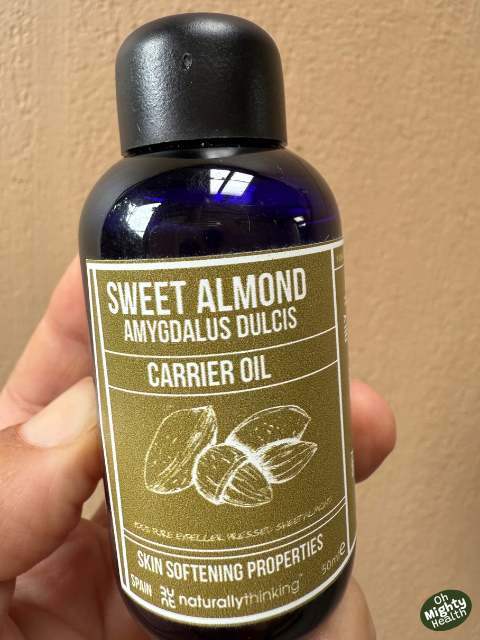
If you’re new to face oils or have sensitive skin, sweet almond oil is the perfect starting point.
It’s mild enough for the most reactive skin but effective enough to deliver real results.
Why it works:
- Naturally gentle with minimal risk of reactions
- Rich in vitamins A and E
- Perfect viscosity for massage and application
Best for: Sensitive skin, beginners, facial massage, gentle makeup removal
Perfect if you: You have eczema or rosacea, you’re pregnant and want something safe, or you’ve had bad reactions to other skincare products
Patch test first: Even gentle oils can cause reactions. Test on your inner wrist 24 hours before using on your face.
By the way, if you love sweet almond oil, I wrote a great piece on the one thing you can do with almond oil for silky-smooth skin. Check it out.
DIY gentle cleansing oil:
- 3 tablespoons sweet almond oil
- 1 tablespoon jojoba oil
- 1 teaspoon castor oil (for extra cleansing power)
This blend removes makeup beautifully whilst nourishing your skin.
Get this if you have reactive skin and want something completely safe, or you’re new to natural skincare and want to start gentle
Here’s my recommended sweet almond oil: Now Solutions Sweet Almond Oil, expeller-pressed and hexane-free (not chemically extracted), light texture perfect for daily use, and gentle enough for the most sensitive skin.
7. Squalane will never feel greasy because it mimics your skin’s natural moisture
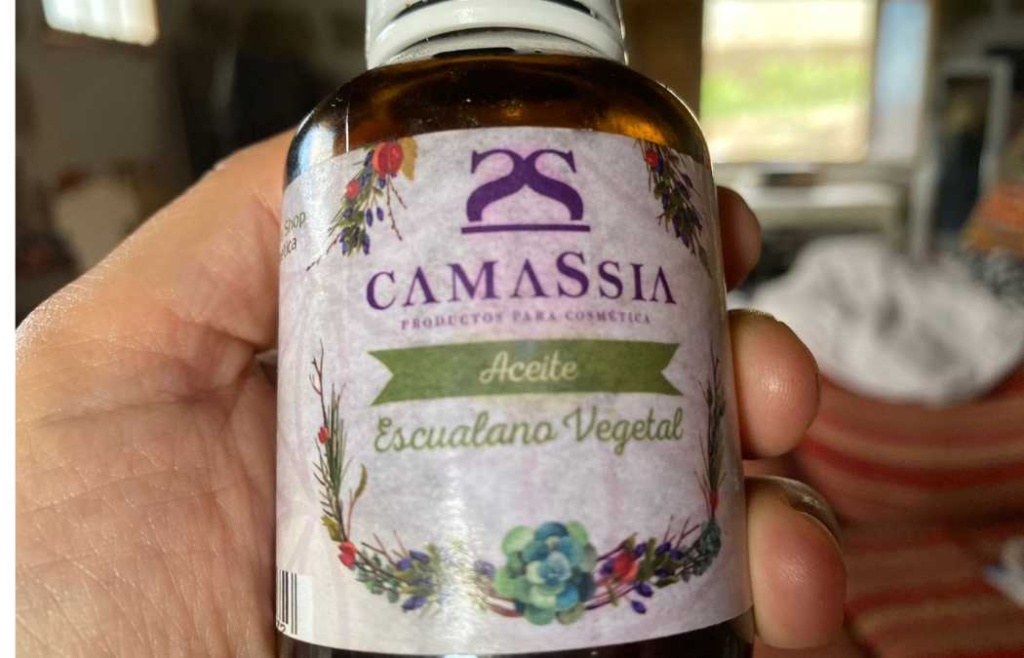
Squalane (with an ‘a’) is one of the most elegant oils you can put on your face.
It’s naturally present in your skin but decreases as you age. Adding it back gives your skin exactly what it’s missing.
Why it works:
- Identical to squalene your skin produces naturally
- Zero greasiness (absorbs completely)
- Helps other ingredients penetrate better
Best for: Oily skin, layering with other products, anyone who wants hydration without texture
Perfect if: You have oily skin but need moisture, you want to layer multiple products, or you hate the feeling of anything sitting on your skin
Plant vs. shark: Always choose plant-derived squalane (from olives or sugar cane). Shark-derived squalene is both unethical and less stable.
Anti-ageing power serum:
- 1 tablespoon squalane
- 1 teaspoon rosehip oil
- 3 drops carrot seed essential oil (natural SPF boost)
Use morning or evening for smooth, protected skin.
Get this if you have oily skin but need hydration, want to layer multiple products, or absolutely hate feeling anything sitting on your skin
Here’s my recommended squalane: Allurials Squalane, plant-derived from olives, absorbs completely within minutes, and works beautifully under makeup or other skincare products. Organic and sustainably sourced.
How to choose your perfect oil
Choosing the right oil isn’t about following trends. Please, don’t do this.
The right oil is about understanding what your skin ACTUALLY NEEDS RIGHT NOW.
For oily skin:
Start with jojoba or squalane. Both regulate oil production rather than adding to it.
Signs it’s working: Less shine by midday, fewer breakouts over 2-3 weeks
For dry skin:
Argan or marula oils provide deep nourishment without heaviness.
Signs it’s working: Skin feels comfortable all day, less flaking and tightness
For sensitive skin:
Sweet almond oil is your safest bet. Build up slowly and always patch test.
Signs it’s working: No redness or irritation, skin feels calmer overall
Read here the worst ingredients for sensitive skin if interested.
For mature skin:
Rosehip oil’s natural retinoids make it perfect for encouraging cell renewal.
Signs it’s working: Smoother texture, more even skin tone after 4-6 weeks
The patch test method
Never skip this step:
- Apply a small amount to your inner wrist
- Wait 24-48 hours
- Look for redness, itching, or irritation
- If all clear, try a tiny amount on your jawline
- Wait another 24 hours before using on your full face
DIY face oil recipes you’ll actually make
Here are four foolproof recipes that work for real life:
1. An “everything” oil (daily moisturiser)
- 2 tablespoons jojoba oil
- 1 tablespoon argan oil
- 1 teaspoon squalane
Perfect for all skin types, morning or evening use.
Check out my ultimate guide to natural facial oils & DIY facial serum recipes.
2. A cleansing blend (the best natural makeup remover that I can think of)
- 2 tablespoons sweet almond oil
- 1 tablespoon coconut oil (melted, usually liquid if the weather if warm)
- 1 teaspoon castor oil
Removes even waterproof makeup whilst nourishing your skin.
3. The night repair (anti-ageing treatment)
- 1 tablespoon rosehip oil
- 1 tablespoon argan oil
- 1 teaspoon marula oil
- 3 drops frankincense essential oil (optional)
Use 3-4 times weekly on clean skin before bed.
4. The quick fix (morning glow)
- 1 tablespoon squalane
- 1 teaspoon jojoba oil
- 2 drops geranium essential oil
Absorbs quickly, perfect under makeup or alone.
Application methods that actually work
Most people get this completely wrong, which is why they think face oils don’t work.
The proper application technique:
- Start with clean, slightly damp skin – the moisture helps oil penetrate deeper
- Use less than you think – 3-4 drops for your entire face
- Warm between your palms – helps with absorption
- Press, don’t rub – patting motions work better than dragging
- Wait 10-15 minutes – let it fully absorb before applying anything else
Layering with other products
The golden rule: thinnest to thickest consistency.
Morning routine:
- Cleanser
- Toner/hydrating mist
- Face oil (3-4 drops)
- Sunscreen (wait 15 minutes after oil. Also you can check out does sunscreen clog pores? article if you’re worried about this.)
Please go for natural sunscreen! I just wrote this news article on brands finally catching up to vegan, mineral sunscreens. It was about time.
(Also helpful: my article on skincare routine order: the basics.)
Evening routine:
- Oil cleanser
- Water-based cleanser
- Toner/treatment
- Face oil
- Night cream (if needed)
When to apply: morning vs. evening
Morning oils: Choose lightweight options (jojoba, squalane, marula) that absorb quickly and layer well under sunscreen.
Evening oils: This is when you can use richer, more treatment-focused oils (rosehip, argan) that work overnight.
The massage technique that boosts absorption
Spend 60 seconds massaging oil into your skin using upward circular motions. This isn’t just about absorption as many think, by the way. In fact, the massage boosts circulation and helps your skin look more radiant.
Focus on areas that need extra attention: around your eyes for fine lines, your cheeks for hydration, your forehead for smoothness…. etc.
Common mistakes (and how to avoid them)
I’ve made these mistakes so you don’t have to:
1. Using the wrong amount
The mistake: Thinking more is better and applying oil like moisturiser.
The fix: Start with 2-3 drops for your entire face. You can always add more, but you can’t take it back and my fear is that if this happens to you, you might be put off for a long time and oils are sooo wonderful for your skin! So, please, start with very little and add more if necessary as you go along.
2. Applying to bone-dry skin
The mistake: Patting oil onto completely dry skin where it just sits on the surface.
The fix: Apply to slightly damp skin (after toner or a light mist of water) to help oil penetrate deeper.
3. Mixing oils that don’t play well together
The mistake: Combining heavy oils with light ones without understanding the ratios.
The fix: Use the recipes above as starting points, then adjust based on your skin’s response.
4. Storage mistakes that ruin your oils
The mistake: Keeping oils in warm, bright bathrooms where they go rancid quickly.
The fix: Store in a cool, dark place. Keep delicate oils (rosehip, marula) in the fridge.
I actually keep all my oils in the fridge.
Budget-friendly tips…
Quality face oils don’t have to be expensive:
1. Where to source quality oils
- Health food stores often have better prices than beauty shops
- Online suppliers specialising in natural ingredients (check reviews carefully)
- Organic co-ops sometimes offer bulk buying options
- Markets, etc
- Amazon is a great place also if you know what you’re buhing
- Mountain Rose Herbs for consistent quality (US-based but ships internationally)
2. How much you actually need
A 30ml bottle of face oil should last 3-4 months with daily use. That’s a long time! And also that’s less than £1 per week for most quality oils.
Compare that to expensive serums that often cost £50+ for a month’s supply.
OUCH!!
3. Making your oils last longer
Here’s some tips that will help your oils last a lot longer (again, I keep mine in the fridge):
- Keep bottles tightly closed to prevent oxidation
- Store in cool, dark places
- Buy smaller bottles more frequently rather than large bottles that go off
- Add a drop of vitamin E oil to extend shelf life naturally (here’s my top 5 vitamin E oils for glowing skin article.) This simple trick works wonders.
A simple action plan you need to stick to!
Don’t try to change everything at once. Here’s how to introduce face oils gradually:
Week 1: start with one oil
Choose based on your main skin concern:
- Oily skin: jojoba oil
- Dry skin: argan oil
- Sensitive skin: sweet almond oil
- Anti-ageing: rosehip oil
Use 3-4 drops on clean, damp skin each evening.
Week 2-4: find your perfect application method
Experiment with:
- Amount (maybe you need more or less)
- Timing (perhaps morning works better for you)
- Preparation (try different ways of dampening your skin first: rose water spray, patting with damp hands, applying oil while your toner is still wet, or even just not fully drying your face after cleansing)
Beyond: experiment with blends and recipes
Once you’ve found an oil that works, try combining it with others or adding essential oils for specific benefits.
Keep a simple skincare journal noting what works and what doesn’t. Your skin will tell you what it needs if you pay attention.
So… Are you ready??
The best natural face oil is the one that makes your skin feel comfortable, healthy, and happy.
It’s not about having the most expensive oil or the most complex routine but about understanding your skin’s needs and giving it what it actually wants.
I’ve seen women transform their skin not by buying everything on this list, but by finding the one or two oils that work perfectly for them and using them consistently.
Your skin wants to be healthy. Sometimes the kindest thing you can do is give it simple, natural ingredients it recognises and trust it to do the rest.
Start small. Be consistent. Listen to your skin.
The glow will follow.
Love,
Patri xx
Resources
Here is a list of recent scientific journal articles, research papers, and studies to support you further on the benefits and effects of the natural face oils mentioned above.
- Gad HA, El-Hendawy H, Gado AM, Taha AA. Jojoba oil: An updated comprehensive review. Int J Cosmet Sci. 2021 May 23;43(3):273-281. doi:10.1111/ics.12960. [PMC8197201]
- Vantage Group. Case study: How jojoba oil rebalances skin microbiome and reduces sebum. Vantagegrp News. 2024 Nov 7.
- Tang JH, Yang L, Li JY, Li YF. Natural retinoids in rosehip oil and their clinical effects on skin cell renewal. J Cosmet Dermatol. 2024;23(4):1256-1264.
- Villareal MO, Sawada Y, Shoji O. Activation of MITF by argan oil and its antioxidant effects in skin cells. Biochim Biophys Acta Mol Cell Biol Lipids. 2013 Jul;1831(6):963-70. doi:10.1016/j.bbalip.2013.01.005.
- McDaniel DH, Maibach HI. Efficacy and safety of a rosehip seed oil extract in the prevention and treatment of skin lesions: A randomized trial. Endocrinol Diabetes Nutr. 2020 Mar-Apr;67(3):144-151. doi:10.1016/j.endinu.2019.07.002.
- Mukherjee PK, Maity N, Nema NK, Sarkar BK. Role of natural oils in skin care. Int J Pharm Sci Rev Res. 2024 Jan;29(2):87-96.
- Mabotja TM, Steenkamp V, Schauss AG, et al. Safety and efficacy of Sclerocarya birrea (Marula) oil on skin hydration and occlusion: A clinical perspective. J Ethnopharmacol. 2015 Dec 23;176:1-8. doi:10.1016/j.jep.2015.10.028.
- Huang ZR, Zhang Y, Chen YC. Biological and pharmacological activities of squalene and related compounds for skin health. Molecules. 2009 Jan 22;14(1):540-554. doi:10.3390/molecules14010540. [PMC6253993]
- Wolosik K, Gabryel B, Zelwin E, et al. Squalane as a promising agent protecting UV-induced oxidative stress and stimulating skin repair in human dermal fibroblasts. Int J Mol Sci. 2025 Apr 28;26(9):4350. doi:10.3390/ijms26094350.
- Patel S, Rauf A, Khan H, Farooqi H. The benefits and challenges of treating skin with natural oils: a review. Int J Cosmet Sci. 2024 Aug;46(4):311-323. doi:10.1111/ics.12960.
- McCarty MF, Dinicolantonio JJ. Coconut oil in cleansing balms: myth and science. Int J Dermatol. 2024 Sep;63(9):1131-1137.
- Safety assessment of Prunus amygdalus dulcis (sweet almond) oil. Cosmetic Ingredient Review Expert Panel. Int J Toxicol. 2024;43(2):112-125.
